
Table of Contents
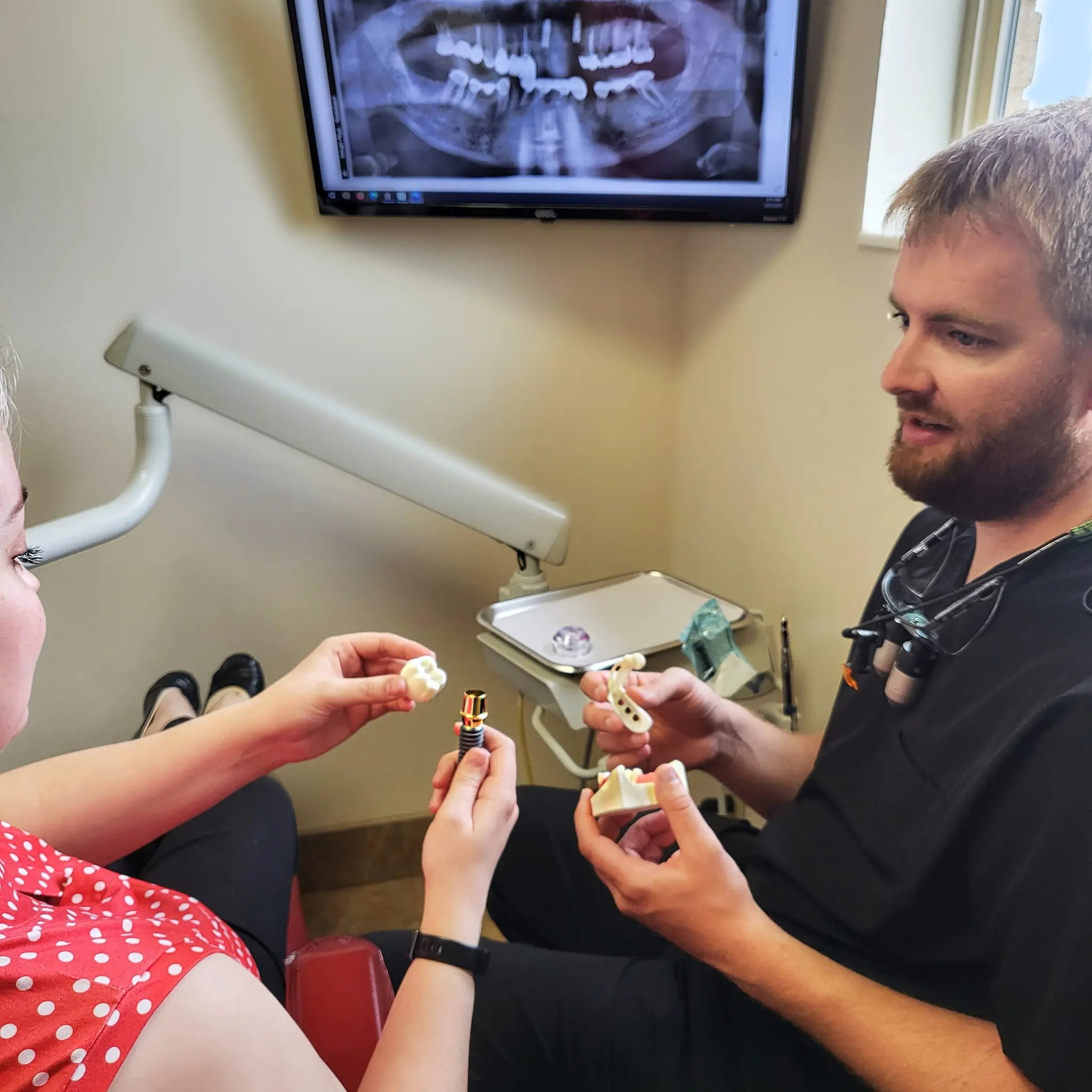
Losing a tooth is never just a physical change. It affects how people see themselves, how they interact with others, and how confident they feel in everyday moments.
While dentures and bridges have been reliable options for years, more patients are choosing dental implants, and the reasons go beyond function. The decision often comes down to psychology as much as dentistry.
Understanding what drives that choice helps explain why implants feel like the right answer for so many people looking to restore more than just their smile.
Why do patients prefer dental implants over dentures or bridges?
For many patients, the preference for dental implants starts with how they want their life to feel after treatment, not just how their teeth look.
Common reasons patients lean toward implants include:
- Stability that feels natural
- No fear of slipping or movement
- Ability to eat without hesitation
- No need to remove teeth at night
- Long-term durability
- Preservation of jawbone health
- A solution that feels permanent
Dentures and bridges can work well, but they often come with compromises. Some patients worry about adhesives, speech changes, or ongoing adjustments. Implants, on the other hand, are fixed in place and function like natural teeth.
Psychologically, that permanence matters. People don’t want a daily reminder that something is “temporary” or artificial. Implants allow patients to move on mentally. They stop thinking about their teeth and start living normally again, which is a powerful motivator when choosing a tooth replacement option.
How does confidence influence the decision to choose dental implants?
Confidence plays a major role in why patients choose implants. Tooth loss can quietly chip away at self-assurance, even in people who outwardly seem unfazed.
Patients often mention:
- Hesitating to smile in photos
- Feeling self-conscious while speaking
- Avoiding certain foods in public
- Worrying others might notice missing teeth
Dental implants help restore more than appearance. They restore trust in one’s own smile. Knowing teeth won’t move, click, or shift allows patients to relax socially. That sense of security changes behavior.
Confidence also affects how patients see the value of treatment. When people believe an option will truly restore normalcy, they’re more willing to invest in it. Implants feel like a solution that closes a chapter instead of managing an ongoing issue.
This emotional payoff often outweighs concerns about treatment time or cost. Patients aren’t just buying a dental procedure. They’re reclaiming comfort, confidence, and peace of mind.
What psychological factors affect long-term satisfaction with dental implants?
Long-term satisfaction with dental implants is closely tied to how well expectations align with reality. When patients understand the process and outcomes, satisfaction tends to be high.
Key psychological factors include:
- Feeling informed and involved in decisions
- Realistic expectations about healing
- Trust in the dental provider
- Perceived control over oral health
- Sense of permanence and stability
- Positive reinforcement from daily use
Implants integrate into daily life in a way other options often don’t. Patients stop thinking about them, which is a sign of success. That mental ease contributes to lasting satisfaction.
Another factor is identity. Teeth are part of how people recognize themselves. When implants restore a familiar smile and bite, patients often feel like themselves again. That emotional alignment supports long-term contentment with the choice they made.
Patients who feel supported throughout the process tend to associate implants with a positive experience, not just a functional outcome.
How does tooth loss impact self-image and decision making for replacement options
Tooth loss can subtly influence how people make decisions, even if they don’t openly talk about it. Self-image plays a powerful role.
Common emotional responses to tooth loss include:
- Embarrassment or shame
- Frustration with limitations
- Fear of aging or decline
- Anxiety about appearance
These feelings often push patients toward solutions that feel complete and reliable. Dental implants appeal to people who want to feel whole again, not patched together.
Decision making becomes less about comparison charts and more about emotional relief. Patients ask themselves, “Which option will let me forget this ever happened?” For many, implants answer that question.
Understanding this emotional layer helps explain why implants are often chosen even when other options are available. People aren’t just fixing teeth. They’re protecting how they see themselves and how they want to move through the world.
Restore More Than Your Smile With Thoughtful Care
At Gentle Touch Family Dentistry, we understand that choosing dental implants is about more than replacing a tooth. It’s about confidence, comfort, and feeling like yourself again. We take the time to listen, explain options clearly, and support you through every step of the process.
Our goal is to help you make a decision that feels right physically and emotionally. If you’re exploring tooth replacement options and want care that respects both your needs and your experience, we’re here to help you smile with confidence again.