Table of Contents
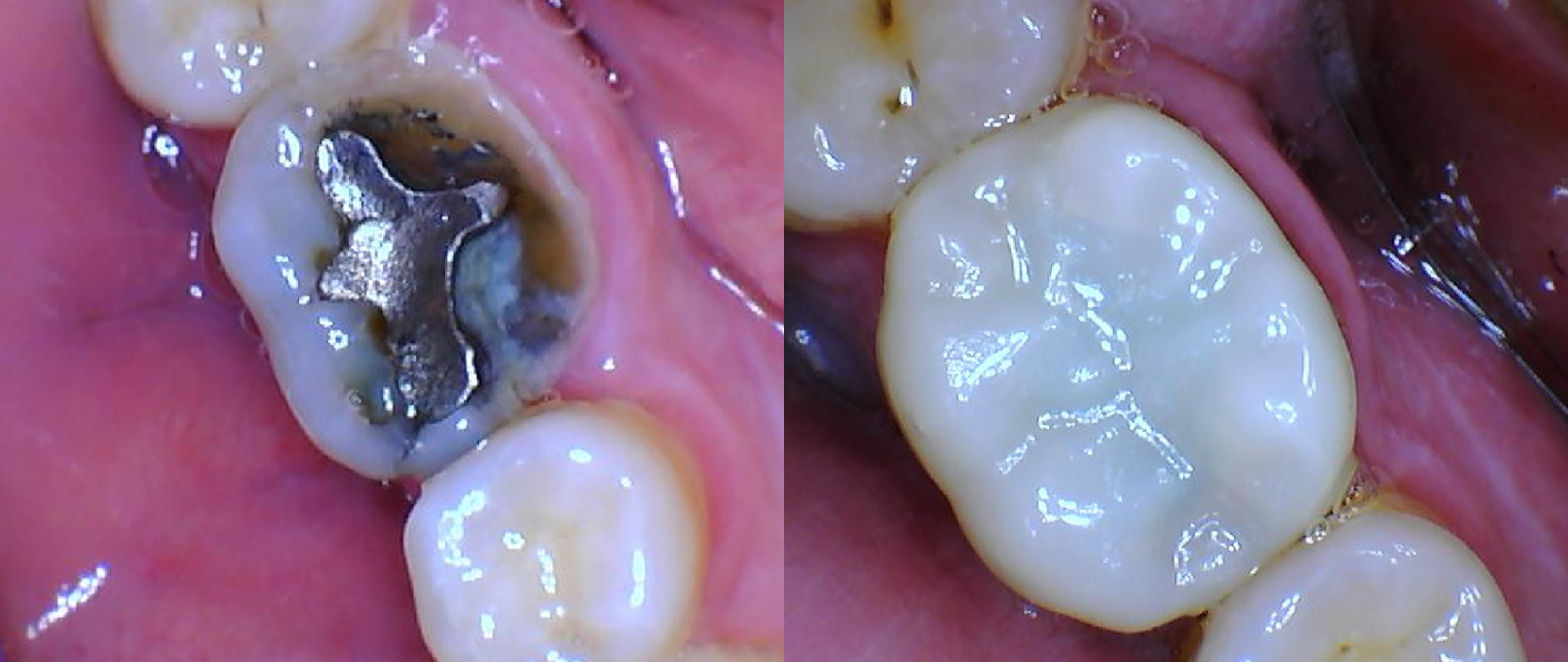
You may need a dental crown if a tooth is cracked, badly worn, heavily filled, weakened by decay, or painful when you bite. The most common signs you need a dental crown include lingering sensitivity, visible damage, a large filling that is failing, or a tooth that has had root canal treatment.
A crown protects the remaining tooth structure by covering it with a custom-made cap. If you are searching for a dental crown in Tooele, UT, the next step is to schedule an exam so a dentist can check the tooth before the damage gets worse.
How Do I Know If I Need a Dental Crown?
You may need a dental crown when a tooth is too weak, damaged, or worn down to be repaired with a simple filling. Crowns are commonly used to protect weak teeth, restore broken teeth, cover dental implants, support bridges, and protect teeth after root canal treatment.
Common Signs You Need a Dental Crown Include:
- Pain when biting or chewing
- A cracked or broken tooth
- A large old filling
- A tooth that feels weak
- Sensitivity to hot, cold, or sweets
- A tooth that has had a root canal
- A badly worn tooth from grinding
- Visible decay or structural damage
- A tooth that keeps chipping
A filling works when enough healthy tooth structure remains. A crown is usually recommended when the tooth needs more coverage and protection than a dental cavity filling can provide.
When the Tooth Feels Weak
A weak tooth may not hurt all the time. It may only hurt when you chew, bite, or release pressure.
That can be a sign of a crack, failing filling, or damaged tooth structure.
When a Filling Is Too Large
Large fillings can leave the surrounding tooth thin and more likely to break. A crown may be used to protect what remains.
This is common when an older filling starts leaking, cracking, or separating from the tooth. For patients considering restoration, learning how dental crowns can help create your ideal smile can also provide useful insight into their functional and cosmetic benefits.
What Happens If You Delay Getting a Crown?
Delaying a needed dental crown can allow the tooth to crack further, decay more deeply, or become painful. A small problem can turn into a larger treatment need if the tooth loses more structure.
A cracked tooth can let bacteria enter deeper parts of the tooth. Cleveland Clinic notes that an untreated crack may allow bacteria to reach the pulp and lead to infection or an abscess.
Possible Risks of Delaying Treatment Include:
- The crack gets deeper
- The tooth breaks while chewing
- Decay reaches the nerve
- Pain becomes more frequent
- Root canal treatment becomes necessary
- The tooth may become harder to save
- Extraction may become the only option
This does not mean every damaged tooth needs a crown immediately. It does mean the tooth should be examined through a dental checkup before symptoms become severe.
When Pain Comes and Goes
Intermittent pain can still be serious. Cracked teeth often hurt during biting, then feel better when pressure is released.
Do not ignore pain just because it is not constant.
When the Tooth Has Sharp Edges
A sharp or broken edge may cut the tongue or cheek. It also means the tooth has already lost structure.
A dentist can determine whether bonding, a filling, an onlay, or a crown is the best repair.
How Long Does a Dental Crown Last?
A dental crown often lasts 5 to 15 years with proper care, though some crowns last longer. Crown lifespan depends on the material, bite pressure, oral hygiene, grinding habits, and where the crown is located.
A crown can fail early if the tooth underneath develops decay or if the crown cracks, loosens, or no longer fits well.
Factors That Affect Crown Lifespan Include:
- Brushing and flossing habits
- Regular dental checkups
- Teeth grinding or clenching
- Chewing hard foods or ice
- Gum health
- Crown material
- Bite alignment
- Decay around the crown margin
How to Help a Crown Last Longer
You should brush twice daily, floss around the crown, and keep routine dental visits. A crown protects the tooth, but it does not make the tooth immune to decay.
If you grind your teeth, your dentist may recommend a nightguard as part of preventive dentistry.
Signs an Old Crown Needs Attention
An older crown should be checked if it feels loose, smells bad, hurts, traps food, or shows a dark line near the gumline.
These can be signs of leakage, decay, gum recession, or crown damage.
Is Getting a Crown Painful?
Getting a dental crown is usually not painful because the tooth is numbed during treatment. You may feel pressure, vibration, or mild soreness afterward, but the procedure itself should be comfortable.
The process usually includes shaping the tooth, taking a scan or impression, placing a temporary crown if needed, and fitting the final crown.
Some offices offer same-day crowns. Others place a temporary crown first and deliver the permanent crown at a second visit.
What You May Feel After the Visit
Mild soreness is common after the numbing wears off. The gum tissue may feel tender, and the tooth may be sensitive for a short time.
Call your dentist if pain worsens, your bite feels high, the temporary crown comes loose, or sensitivity does not improve.
Why a Crown May Hurt Later
Pain after a crown can happen if the bite needs adjustment, the nerve is irritated, decay forms under the crown, or the tooth has an untreated crack.
A crown should feel stable and comfortable once the tooth settles.
What Are the Alternatives to Dental Crowns?
Alternatives to a dental crown depend on how much tooth structure remains. A dentist may recommend a filling, bonding, inlay, onlay, veneer, root canal treatment, extraction, implant, or bridge.
A crown is not always the first option. It is usually recommended when the tooth needs stronger coverage than a smaller repair can provide.
Possible Alternatives Include:
- Dental filling for smaller cavities
- Bonding for minor chips
- Inlay for damage inside the biting surface
- Onlay for larger damage involving a cusp
- Veneer for cosmetic front-tooth concerns using dental veneers
- Root canal plus restoration for infected teeth
- Extraction and replacement if the tooth cannot be saved
When a Filling May Be Enough
A filling may be enough if the damage is small and the tooth still has strong surrounding structure.
This is common with early cavities or minor chips.
When an Onlay May Be Considered
An onlay may be used when the damage is larger than a filling but does not require full crown coverage.
It can protect part of the tooth while preserving more natural structure.
If you are unsure whether you need a dental crown in Tooele, UT, an exam and X-rays such as an oral exam can help determine the least invasive option that still protects the tooth.
Can a Cracked Tooth Heal Without a Crown?
No, a cracked tooth does not heal the way skin or bone can heal. Enamel and tooth structure cannot repair a crack on their own.
Some tiny enamel lines may not need treatment, but painful or deeper cracks should be checked by a dentist. Cleveland Clinic explains that a cracked or fractured tooth can cause pain and swelling, and a badly cracked tooth may be a dental emergency.
A Cracked Tooth May Need:
- Monitoring for tiny craze lines
- Bonding for small chips
- A filling for minor damage
- An onlay for cusp damage
- A crown for structural protection
- Root canal treatment if the pulp is affected
- Extraction if the tooth is split or cannot be saved
Why Cracks Need Attention
A crack can spread with chewing pressure. It can also allow bacteria to enter the inner tooth.
Prompt treatment gives the dentist a better chance to save the tooth.
Signs a Crack May Be Serious
Watch for sharp pain when biting, pain when releasing pressure, swelling, temperature sensitivity, or a visible fracture line.
These are common signs you need a dental crown or another protective restoration.
Conclusion
If you’re experiencing any of the signs you need a dental crown in Tooele, UT, it’s important to schedule an appointment with your dentist as soon as possible. Delaying treatment can result in more extensive damage and higher treatment costs.
Whether you need a crown to address decay, fractures, or cosmetic concerns, dental crowns provide a durable and effective solution to protect your teeth and restore your smile.
Protect Your Tooth Before It Gets Worse
A dental crown may be needed when a tooth is cracked, weak, heavily filled, worn down, or at risk of breaking. The safest next step is to have the tooth examined early, before pain or damage becomes harder to treat.
At Gentle Touch Family Dentistry, we believe in helping people take the next right step for their health, but dental crown care should be handled by a licensed dental provider. If you are looking for a dental crown service, schedule a contact appointment so the tooth can be checked, protected, and treated with the right approach.