
Table of Contents
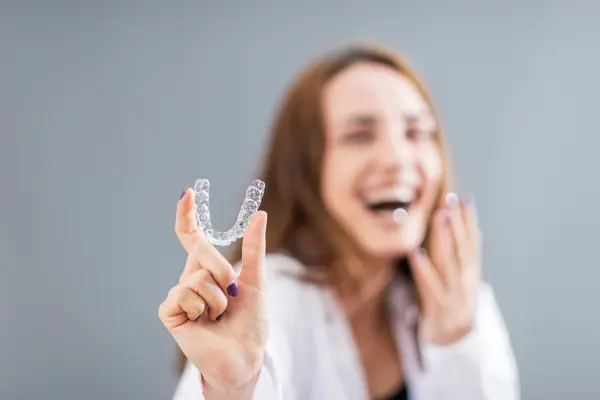
Clear aligners are custom-made, removable trays that gently move teeth into better positions over time. If you are asking what are clear aligners, they are a discreet alternative to braces that use a series of thin plastic trays instead of brackets and wires.
Clear aligner treatment works best when the trays are worn as directed every day. If you are considering clear aligners in Tooele, UT, the first step is an evaluation to see whether your teeth, bite, and goals are a good match for this type of treatment.
How Do Clear Aligners Move Teeth?
Clear aligners move teeth by applying gentle, steady pressure to specific teeth in a planned sequence. Each tray is shaped slightly differently, guiding the teeth a small amount at a time.
The process usually starts with a digital scan or impression of your mouth. Your dentist or orthodontic provider uses that information to plan how the teeth should move.
The American Association of Orthodontists explains that clear aligners are clear, thin, plastic-like trays custom-formed to fit your mouth and apply pressure needed to move teeth. Each aligner moves teeth a fraction of a millimeter at a time.
What Happens During Treatment?
Your provider creates a series of trays. You wear the first set, then move to the next set as directed.
Each tray continues the movement from the previous one.
Clear aligners may help with:
- Mild crowding
- Small gaps
- Slightly rotated teeth
- Minor bite issues
- Relapse after braces
- Cosmetic alignment concerns
Why Planning Matters
Tooth movement must be controlled. Moving teeth too quickly or without supervision can cause problems with bite, gums, or roots.
A professional evaluation helps make sure clear aligners are appropriate for your case.
Clear aligners work by moving teeth in small, planned steps. The treatment depends on accurate planning, consistent wear, and regular monitoring.
Are Clear Aligners as Effective as Braces?
Clear aligners can be effective for many mild to moderate alignment concerns, but braces may be better for more complex tooth movement or bite correction. The best choice depends on your teeth, bite, habits, and treatment goals.
Braces are fixed to the teeth. That means they work continuously and do not depend on the patient remembering to wear them.
Clear aligners are removable. This makes them convenient, but it also means results depend heavily on daily wear.
The American Association of Orthodontists notes that both braces and clear aligners can straighten teeth, but the right option depends on a patient’s orthodontic needs and professional diagnosis.
When Aligners May Work Well
Aligners may be a good fit for patients with:
- Mild to moderate crowding
- Spacing between teeth
- Minor bite concerns
- Adults or teens who can follow instructions
- Patients who want a more discreet option
- Patients who want easier brushing and flossing
Patients with crooked teeth, spacing, or mild alignment concerns may benefit from a professional evaluation to determine whether aligners are appropriate.
When Braces May Be Better
Braces may be recommended for:
- Severe crowding
- Complex bite problems
- Teeth that need major rotation
- Significant jaw alignment issues
- Patients who may not wear aligners consistently
Clear aligners are strong tools, but they are not the right answer for every orthodontic problem.
Aligners can be very effective for the right case. Braces may still be better when the movement needed is more complex.
How Long Do You Need to Wear Aligners Daily?
Most patients need to wear clear aligners for about 20 to 22 hours per day. The trays should usually only come out for eating, drinking anything besides water, brushing, and flossing.
The American Association of Orthodontists states that aligners are typically worn at least 22 hours a day.
This wear time matters. Teeth need steady pressure to move correctly.
If aligners are left out too long, treatment may slow down. The trays may also stop fitting properly.
When Should Aligners Come Out?
You should usually remove aligners for:
- Eating
- Drinking coffee, tea, soda, or juice
- Brushing
- Flossing
- Cleaning the trays
- Certain sports, if advised
Water is usually safe while wearing aligners. Other drinks can stain trays or increase the risk of decay if trapped against the teeth.
What Happens If You Do Not Wear Them Enough?
Poor wear time can cause tracking problems. This means the teeth are not moving the way the trays were designed to guide them.
If this happens, treatment may take longer or require revised trays.
Aligners only work when they are worn consistently. Daily discipline is one of the most important parts of successful treatment.
Can You Eat While Wearing Clear Aligners?
No, you should not eat while wearing clear aligners. Food can crack, stain, warp, or damage the trays.
Eating with aligners can also trap food and sugar against your teeth. This can increase the risk of cavities, bad breath, and staining.
The American Association of Orthodontists advises removing aligners when eating, drinking, brushing, and flossing.
What Should You Do Before Eating?
Before eating, remove the trays and place them in their case. Do not wrap them in a napkin because they can easily be thrown away.
After eating, brush your teeth before putting the trays back in. If you cannot brush right away, rinse your mouth with water and clean your teeth as soon as possible.
What Drinks Are Safe?
Water is the safest drink while wearing aligners. Coffee, tea, red wine, soda, sports drinks, and juice can stain the trays or expose teeth to sugar and acid.
Hot drinks may also warp the plastic.
Clear aligners should come out before meals and most drinks. Good cleaning habits help prevent cavities, stains, and tray damage during treatment.
Are Clear Aligners Noticeable?
Clear aligners are much less noticeable than traditional metal braces, but they are not completely invisible. Most people will not notice them right away, especially from a normal speaking distance.
Aligners are made from clear plastic and fit closely over the teeth. Some patients also need small tooth-colored attachments, which help the trays grip and move certain teeth.
The American Association of Orthodontists describes clear aligners as nearly invisible plastic shells that snap over the teeth.
What Can Make Aligners More Noticeable?
Aligners may be more noticeable if:
- They are not cleaned well
- They become stained
- Attachments are needed
- The trays are not fully seated
- Saliva bubbles collect under the tray
- The edges reflect light
Keeping trays clean helps them stay clearer.
Will Aligners Affect Speech?
Some patients notice a slight lisp at first. This usually improves as the tongue adjusts to the trays.
Most people adapt within a short time.
Aligners are discreet, not invisible. They are often a good option for patients who want straighter teeth without the appearance of metal braces.
How Often Do You Change Aligner Trays?
Many patients change aligner trays every one to two weeks, but the exact schedule depends on the treatment plan. Your provider will tell you when to switch trays based on how your teeth are moving.
The American Association of Orthodontists notes that each aligner is typically worn for one week at a time. Cleveland Clinic notes that some systems use each set of trays for approximately two weeks.
Both timelines can be normal. The right schedule depends on the case.
Why Tray Changes Should Be Followed Exactly
Changing trays too early can put too much pressure on the teeth. Changing too late can slow treatment.
If a tray feels too tight, does not seat properly, or causes unusual pain, contact your provider before moving forward.
What If You Lose a Tray?
Call your dental office for instructions. You may be told to wear the previous tray, move to the next tray, or order a replacement.
Do not guess if you are unsure.
Tray changes are usually scheduled every one to two weeks. Following the plan helps your teeth move safely and predictably.
Final Thoughts
Clear aligners offer an effective, discreet, and comfortable way to straighten your teeth. By following your orthodontist’s instructions and wearing the aligners consistently, you can enjoy the benefits of a beautifully aligned smile without the hassle of traditional braces.
For some patients, changes in tooth positioning and bite can also influence overall smile aesthetics and how clear aligners reshape facial balance over the course of treatment.
For a deeper look at how aligners fit into modern smile care, read more about the benefits of clear aligners and how they support comfort, convenience, and confidence.
Start Straightening Your Smile With Confidence
Clear aligners are removable trays that gradually move teeth using gentle, planned pressure. They can be a good option for many patients who want a more discreet way to improve crowding, spacing, or mild alignment concerns.
At Gentle Touch Family Dentistry, we help patients understand what are clear aligners, how they work, and whether they are the right fit for their smile. If you are considering clear aligners in Tooele, UT, we can evaluate your teeth, explain your options, and help you take the next step toward a straighter, healthier-looking smile through personalized cosmetic dentistry care.