Table of Contents
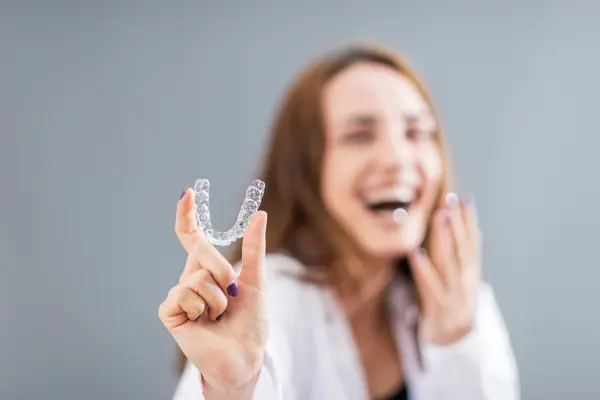
Invisalign vs traditional braces is one of the most common comparisons for patients seeking straighter teeth and improved oral health. Both treatment options can effectively correct alignment issues, but they differ in appearance, comfort, maintenance requirements, treatment complexity, and lifestyle flexibility.
Choosing between braces and Invisalign depends on several factors, including age, treatment goals, budget, oral health needs, and the severity of alignment concerns. Understanding the advantages and limitations of each option can help patients make informed decisions and select the orthodontic solution that best fits their needs and daily routine.
Is Invisalign Faster Than Traditional Braces?
Treatment speed varies depending on the complexity of the orthodontic issue being corrected.
Neither option is automatically faster in every case.
Invisalign May Be Quicker for Mild Cases
Patients with minor crowding, spacing issues, or mild bite concerns may complete Invisalign treatment within a relatively short period.
Because treatment is digitally planned, tooth movement can be carefully mapped from the beginning.
Patient compliance remains essential.
Wearing Aligners Consistently Matters
Invisalign aligners must typically be worn 20 to 22 hours each day.
Removing them too frequently can slow progress.
Unlike braces, Invisalign depends heavily on patient responsibility.
Braces Provide Continuous Correction
Traditional braces remain attached to the teeth at all times.
Because they work continuously, treatment does not depend on patient compliance to the same extent.
This can be beneficial for individuals who may struggle to wear aligners consistently.
Complexity Influences Treatment Length
Severe bite issues, significant crowding, or complex tooth movements often require longer treatment times regardless of the system used.
An orthodontic evaluation provides the most accurate estimate.
Which Is More Affordable: Invisalign or Braces?
Costs vary depending on treatment complexity, duration, and provider recommendations.
There is no universal answer for every patient.
Traditional Braces Are Often Less Expensive
In many situations, traditional braces may have a lower overall treatment cost.
This is one reason they remain a popular orthodontic option.
However, pricing varies widely between practices and treatment plans.
Invisalign Costs Depend on Complexity
Invisalign treatment costs often reflect the number of aligners required and the complexity of tooth movement.
Mild cases may require fewer aligners, while more advanced cases may involve additional stages.
Insurance Considerations
Many dental insurance plans offer orthodontic benefits that may apply to either treatment option.
Patients should review coverage details carefully.
Coverage amounts vary significantly between plans.
Long-Term Value Matters
The most affordable option is not always the best choice.
Treatment success, convenience, appearance, and patient compliance should all be considered when evaluating overall value.
Are Braces More Effective for Severe Alignment Issues?
In many cases, yes. Traditional braces often provide greater control when treating complex orthodontic conditions.
This does not mean Invisalign is ineffective, but some situations are better suited for braces.
Severe Crowding
Significant crowding may require substantial tooth movement.
Braces allow orthodontists to apply continuous pressure and precise control throughout treatment.
This can be advantageous in challenging cases.
Complex Bite Corrections
Conditions involving major bite discrepancies often respond well to traditional braces.
Examples include:
- Severe overbites
- Severe underbites
- Crossbites
- Open bites
- Significant jaw alignment concerns
Complex corrections may require specialized orthodontic planning.
Predictable Tooth Movement
Brackets and wires provide direct control over tooth positioning.
This allows orthodontists to make adjustments throughout treatment as needed.
Invisalign Continues to Advance
Modern Invisalign technology can address many issues that previously required braces.
However, the suitability of Invisalign depends on the specific diagnosis and treatment objectives.
For patients looking for a straightforward guide to clear aligners, understanding their capabilities and limitations can make it easier to compare them with traditional braces.
A professional evaluation remains essential.
Can You Eat Normally With Invisalign?
One of Invisalign’s biggest advantages is dietary flexibility.
Unlike braces, aligners are removable.
Remove Aligners Before Eating
Patients take out their aligners before meals and snacks.
This allows them to enjoy foods that might be restricted with traditional braces.
Fewer Food Restrictions
Individuals using Invisalign can typically continue eating:
- Popcorn
- Nuts
- Crunchy vegetables
- Chewy foods
- Hard foods
Because the aligners are removed, these foods do not damage orthodontic components.
Oral Hygiene Considerations
Patients should brush and floss before reinserting aligners whenever possible.
Good oral hygiene helps prevent plaque accumulation and maintain oral health throughout treatment.
Braces Require Additional Caution
Certain foods can damage brackets or wires.
Patients with braces often receive specific dietary guidelines to minimize complications and treatment delays.
Is Invisalign Really Invisible in Daily Life?
No orthodontic treatment is completely invisible, but Invisalign is often significantly less noticeable than traditional braces.
Clear Aligner Appearance
Invisalign aligners are made from transparent material that fits closely over the teeth.
Many people do not notice them during normal conversations.
Professional and Social Benefits
Adults and older teens often appreciate the discreet appearance of Invisalign.
The clear aligners may feel less noticeable during:
- Work meetings
- Public speaking
- Social events
- Photographs
- Video calls
Appearance is a major factor for many patients.
Attachments May Still Be Visible
Some Invisalign treatments require small tooth-colored attachments.
These help guide specific tooth movements.
Although subtle, they may still be visible under certain conditions.
Braces Remain More Noticeable
Metal brackets and wires are generally easier to see.
However, many patients successfully complete treatment with braces and remain highly satisfied with their results.
Do Braces Work Better for Children Than Invisalign?
In many situations, braces may be more practical for younger children.
The decision depends on maturity, compliance, and treatment needs.
Compliance Considerations
Braces remain attached to the teeth throughout treatment.
Children do not need to remember to wear them.
This reduces the risk of treatment delays caused by inconsistent use.
Invisalign Requires Responsibility
Aligners must be worn consistently every day.
Children who frequently remove or misplace aligners may experience slower progress.
Parental supervision often plays an important role.
Orthodontic Complexity
Some childhood orthodontic issues may benefit from braces due to the level of control they provide.
An orthodontist can determine the most suitable approach.
Teen Patients May Succeed With Either Option
Many teenagers achieve excellent outcomes with Invisalign when they are committed to following treatment instructions.
The best choice depends on individual circumstances.
For families considering braces or Invisalign, a professional consultation can help determine which option aligns best with treatment goals and lifestyle needs.
Which Option Requires Less Maintenance?
Maintenance requirements differ significantly between braces and Invisalign.
Each option presents unique responsibilities.
Invisalign Simplifies Brushing and Flossing
Because aligners are removable, patients can brush and floss normally.
This often makes daily oral hygiene easier.
Aligners Require Cleaning
Patients must clean aligners regularly to maintain clarity and hygiene.
Neglecting aligner care may lead to staining, odors, or bacterial buildup.
Braces Require Additional Cleaning Techniques
Food particles can become trapped around brackets and wires.
Special flossing tools and cleaning methods are often necessary.
Maintaining excellent oral hygiene requires extra attention.
Fewer Emergency Visits With Invisalign
Braces occasionally experience issues such as:
- Broken brackets
- Loose wires
- Damaged appliances
These situations may require additional appointments.
Invisalign generally avoids many of these concerns.
Commitment Remains Important
Both systems require active participation.
Patients who follow instructions consistently are more likely to achieve successful treatment outcomes regardless of which option they choose.
Final Thoughts
Both Invisalign and traditional braces can effectively improve tooth alignment, bite function, and overall oral health. Invisalign offers greater discretion, fewer dietary restrictions, and easier oral hygiene, while braces often provide stronger control for complex orthodontic cases and require less patient compliance.
Treatment speed, cost, appearance, and maintenance vary based on individual circumstances. Beyond straightening teeth, patients may also be interested in how clear aligners reshape facial balance as changes in tooth positioning and bite alignment can influence the overall appearance of a smile. The best option depends on age, treatment complexity, lifestyle preferences, and orthodontic goals. A professional evaluation remains the most reliable way to determine which treatment approach is best suited for your unique needs and expectations.
Find the Right Orthodontic Solution for Your Smile
At Gentle Touch Family Dentistry, we understand that every smile is different. We take the time to evaluate your orthodontic needs, discuss your goals, and explain the benefits of each treatment option.
Whether you are considering Invisalign or traditional braces, we can help you understand what to expect and guide you toward the solution that fits your lifestyle and oral health objectives. Contact us today to schedule a consultation and take the first step toward a healthier, more confident smile.