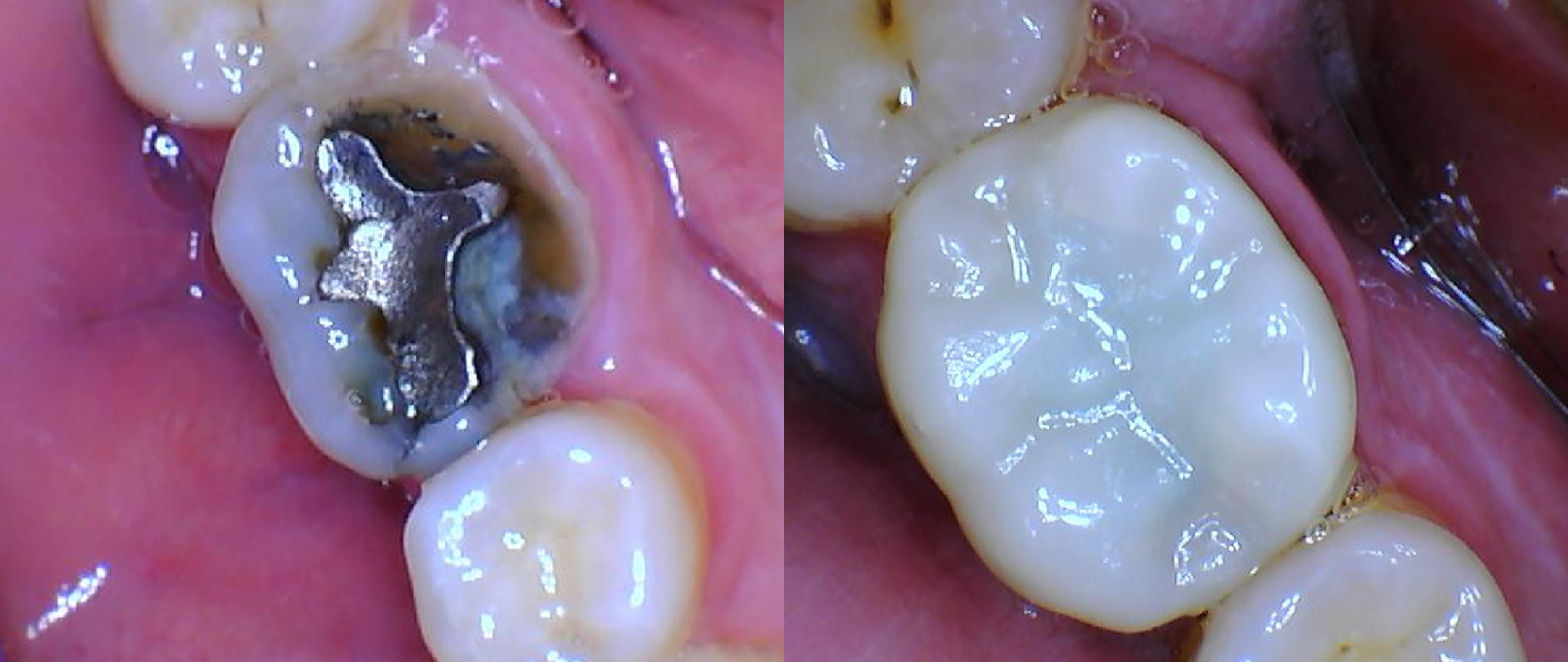
Table of Contents
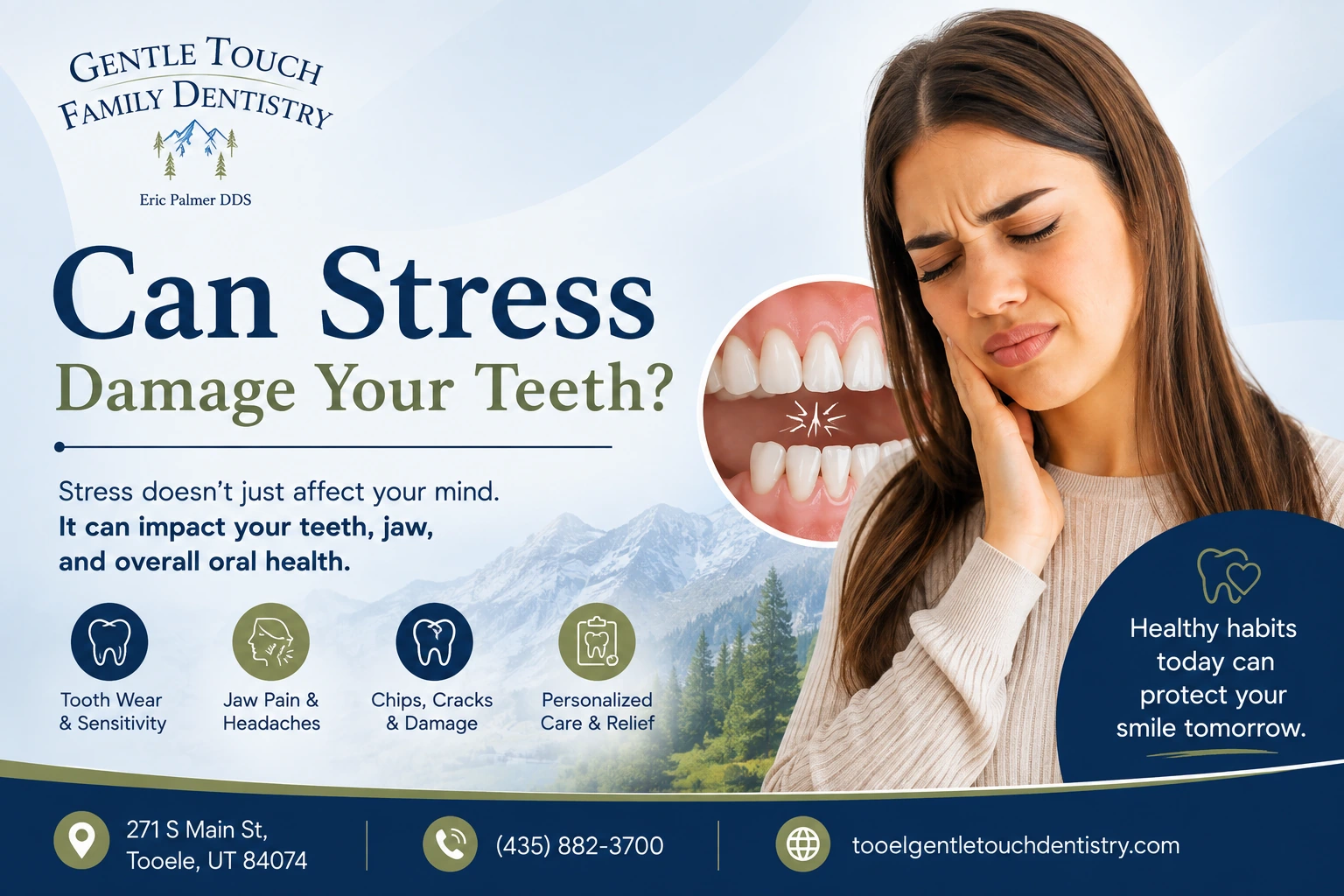
Stress usually does not damage tooth enamel directly. Instead, it can contribute to habits and physical responses especially teeth grinding and jaw clenching that place repeated pressure on the teeth, jaw muscles, and surrounding structures.
Over time, those forces may contribute to worn enamel, tooth sensitivity, chips, cracks, sore jaw muscles, headaches, or damage to existing dental restorations. Some people are aware that they clench during stressful situations, while others grind their teeth while sleeping and may not realize it is happening.
Stress is not the only possible cause of grinding or clenching, so persistent symptoms should not be assumed to be stress-related without an evaluation. If you notice tooth wear, jaw discomfort, unexplained sensitivity, or changes in your bite, a dentist can help determine what may be contributing to the problem.
Can Stress Be Hurting Your Teeth?
Grinding and clenching can cause lasting dental damage. Call now to protect your smile.
Can Stress Damage Your Teeth?
Stress can affect your teeth indirectly.
When people feel tense, anxious, focused, or overwhelmed, they may tighten their jaw or press their teeth together without noticing. Others may grind their teeth during sleep. These behaviors are commonly grouped under the term bruxism.
Occasional clenching is not necessarily enough to cause lasting dental damage. The concern is repeated or forceful pressure over time.
Your teeth are designed to handle normal biting and chewing forces. Grinding and clenching can expose them to extra pressure for longer periods, especially when there is no food between the teeth to absorb some of that force.
If the habit continues, it may gradually affect the enamel, tooth structure, jaw muscles, and existing dental work.
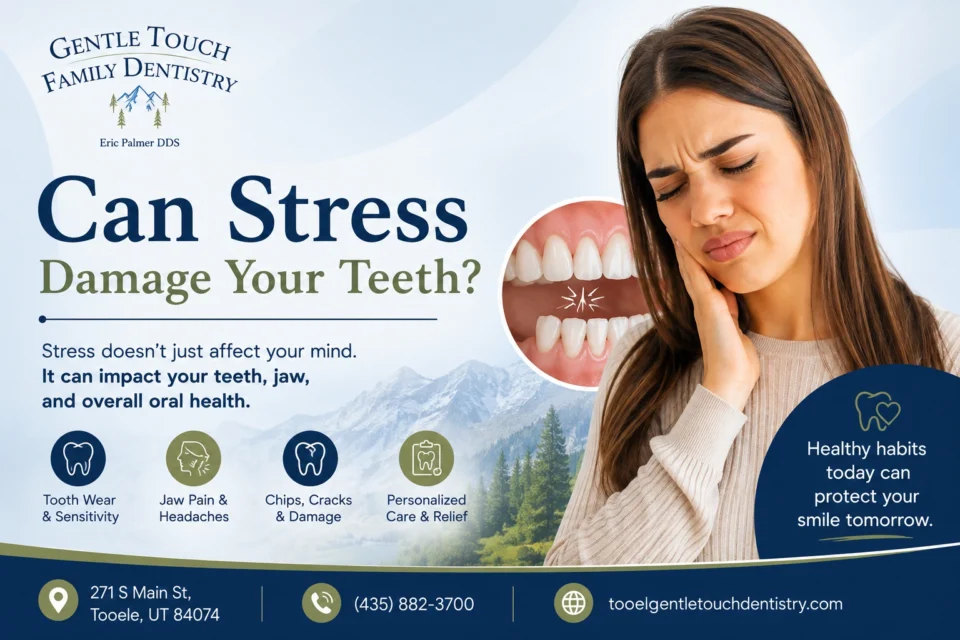
How Does Stress Affect Your Teeth and Jaw?
Stress can influence the muscles people use for chewing and jaw movement.
During periods of tension, you may unconsciously tighten your jaw while working, driving, concentrating, or dealing with a difficult situation. Some people also develop sleep-related grinding or clenching that happens without conscious control.
This repeated muscle activity can place strain on both the teeth and jaw.
You might notice that your jaw feels tired or tight at the end of the day. If grinding occurs overnight, you may wake with soreness or stiffness around the jaw, temples, or face.
The teeth can also experience repeated pressure. Depending on how often and how forcefully someone grinds, this may contribute to gradual wear or make an already weakened tooth more vulnerable to damage.
However, stress is only one possible factor.
Bruxism may also be associated with bite-related factors, sleep conditions, certain medications, or other individual circumstances. That is why an evaluation can be useful when symptoms persist.
What Are the Signs of Stress-Related Teeth Grinding?
Many people who grind or clench their teeth do not realize they are doing it.
The signs may appear gradually, and some can overlap with unrelated dental or jaw problems.
Possible warning signs include:
- Flattened or visibly worn tooth surfaces
- Small chips along the edges of teeth
- Increased tooth sensitivity
- Jaw soreness or tightness
- Facial muscle discomfort
- Morning headaches
- Pain or fatigue while chewing
- Teeth that feel tender when biting
- Cracks or rough areas on a tooth
- Damage to fillings, crowns, or other dental restorations
- A feeling that the bite has changed
Someone who sleeps near you may also notice grinding sounds at night, although not everyone with bruxism makes noticeable noise.
Jaw tension can also occur during the day. One useful habit is to occasionally notice whether your teeth are touching when you are not eating. Ideally, the jaw can remain relaxed rather than being held tightly clenched for extended periods.
These symptoms do not prove that stress or bruxism is the cause. A dentist may need to rule out other explanations for tooth pain, sensitivity, jaw discomfort, or wear.
Signs You Might Need a Dental Crown (And What to Do Next)
You may need a dental crown if a tooth is [...]
Learn More
What Dental Problems Can Stress and Bruxism Cause?
Repeated grinding and clenching can affect teeth differently depending on the amount of force involved, how long the habit has been occurring, and the condition of the teeth beforehand.
Worn tooth enamel
Grinding can gradually wear down the outer enamel.
Teeth may begin to look flatter or shorter, especially along biting surfaces. Because enamel does not grow back once it is lost, ongoing wear is worth addressing before it becomes more extensive.
Tooth sensitivity
As enamel becomes thinner or tooth surfaces are stressed, some people notice increased sensitivity.
Cold drinks, hot foods, sweets, or pressure may become uncomfortable. Sensitivity can have many possible causes, so it should not automatically be attributed to grinding.
Chipped teeth
Repeated force can sometimes contribute to small chips, especially along the edges of teeth.
A chipped area may feel rough to the tongue even if it is not painful.
Cracked teeth
Excessive or repeated pressure can increase the risk of cracks in some teeth, particularly when the tooth is already structurally weakened.
Small cracks are not always easy to see and may cause pain while chewing or sensitivity to temperature. If grinding results in significant damage, emergency dentist care for a broken tooth may be necessary to evaluate the injury and determine how the tooth can be treated.
Damage to dental restorations
Fillings, crowns, and other restorations also experience the forces created by clenching and grinding.
Over time, excessive pressure may contribute to wear or damage, although the condition of the restoration and the person’s bite also matter.
Jaw and facial discomfort
Bruxism does not only affect the teeth.
Repeated muscle contraction may contribute to jaw fatigue, facial soreness, headaches, or tenderness around the chewing muscles.
For patients experiencing persistent dental or jaw symptoms, a [General Dentistry Page] can provide additional information about routine evaluation and care.
Can Stress Cause a Tooth to Crack or Break?
Stress itself does not physically crack a tooth.
However, stress-related grinding or clenching may place repeated force on a tooth, which can contribute to cracking or breakage in certain situations.
The risk may be greater when the tooth is already weakened by factors such as:
- A large existing filling
- Previous dental treatment
- Tooth decay
- An older crack
- Significant enamel wear
- Previous structural damage
A strong, healthy tooth may tolerate considerable pressure, while a weakened tooth may be more vulnerable.
Cracks can also vary widely. Some affect only part of the tooth, while others extend more deeply. Symptoms may include sharp pain when biting, pain when releasing pressure, intermittent sensitivity, or discomfort that seems difficult to pinpoint.
Treatment depends on the extent and location of the damage.
In some situations, a dentist may recommend a restoration such as a dental crown to protect and reinforce a weakened tooth. More extensive cracks may require a different treatment approach, so evaluation is important before assuming what type of care is needed.
Readers who want to understand how crowns are used to restore damaged teeth can learn more on our [Dental Crowns Service Page].
How Can You Protect Your Teeth From Stress-Related Damage?
You may not be able to eliminate every source of stress, but you can reduce some of the habits that place unnecessary pressure on your teeth and jaw.
Notice daytime clenching
Many people clench their teeth while concentrating or feeling tense.
Try periodically checking the position of your jaw during the day. If you notice that your teeth are pressed tightly together, consciously relax your jaw.
Awareness alone can sometimes help reduce repeated daytime clenching.
Avoid unnecessary hard chewing
Chewing ice, biting pens, or repeatedly chewing very hard objects adds extra force to teeth that may already be under stress.
Avoiding these habits can reduce unnecessary strain.
Give your jaw a break
If your jaw feels tired or sore, avoid habits that keep the muscles working constantly, such as prolonged gum chewing.
Repeated jaw activity can make existing muscle tension more noticeable.
Maintain good oral hygiene
Brushing with fluoride toothpaste and cleaning between the teeth daily help protect against decay and gum problems.
This is especially important because a tooth affected by decay or structural weakness may be more vulnerable to damage from repeated pressure.
Consider stress-management strategies
Stress-management techniques may help some people reduce daytime tension or clenching.
Approaches such as regular exercise, relaxation practices, better sleep habits, or other healthy stress-management methods may be useful depending on the individual.
However, stress management should not replace dental evaluation if tooth wear, pain, cracks, or persistent jaw symptoms are already present.
Ask a dentist about persistent grinding
If grinding or clenching appears to be ongoing, a dentist can evaluate the teeth and bite for signs of wear or damage.
Depending on the situation, a dentist may recommend a protective appliance or another management strategy designed for the patient’s specific needs.
Avoid purchasing or relying on a one-size-fits-all solution without understanding the cause of your symptoms, particularly if you already have tooth pain or damaged teeth.
When Should You See a Dentist?
Occasional jaw tension during a stressful week may not necessarily indicate a dental problem.
However, persistent or worsening symptoms deserve attention.
Consider scheduling a dental evaluation if you notice:
- Ongoing jaw soreness or tightness
- Recurring morning headaches associated with jaw tension
- Unexplained tooth sensitivity
- Visible flattening or wear of the teeth
- New chips or cracks
- Pain when biting or chewing
- Damage to an existing filling or crown
- A tooth that suddenly feels different
- Changes in how your teeth fit together when you bite
You should also seek prompt care for significant tooth fractures, severe or rapidly increasing pain, facial swelling, or other concerning symptoms. If these problems develop suddenly, knowing how to find an emergency dentist open now in Tooele, UT can help you seek timely evaluation rather than waiting for symptoms to worsen.
A dental examination can help distinguish stress-related wear from other problems that may cause similar symptoms.
FAQs
Can stress make your teeth hurt?
Yes, stress may indirectly contribute to tooth discomfort if it leads to grinding or clenching. Repeated pressure can make teeth or their supporting tissues feel sore or sensitive, although tooth pain can have many other causes that should be ruled out.
How do I know if I grind my teeth at night?
Possible signs include waking with jaw soreness, headaches, tooth sensitivity, or visible wear on the teeth. Some people are told by a partner that they make grinding sounds while sleeping, but a dental examination may be needed to identify signs of nighttime bruxism.
Can clenching your teeth damage enamel?
Repeated or forceful clenching and grinding may contribute to enamel wear over time. The amount of wear varies from person to person and depends on factors such as grinding intensity, duration, bite, and existing tooth condition.
Can grinding cause a cracked tooth?
Grinding and clenching can increase the forces placed on teeth and may contribute to cracks, particularly in teeth that are already weakened. Cracks can also result from other causes, so pain or suspected damage should be professionally evaluated.
Can stress cause jaw pain?
Stress can contribute to muscle tension and jaw clenching, which may lead to soreness, tightness, or fatigue around the jaw and face. Jaw pain also has other possible causes, so persistent discomfort should be assessed rather than automatically attributed to stress.
Will stress-related tooth damage go away?
Muscle tension or mild temporary discomfort may improve when the contributing habit decreases. Physical tooth damage such as enamel wear, chips, or cracks does not simply grow back, so a dentist should evaluate visible or persistent changes and recommend appropriate next steps.
Give Your Teeth a Break From Ongoing Stress
Stress can show up in your mouth in ways that are easy to overlook. A tight jaw, recurring headaches, sensitive teeth, or subtle wear may be signs that your teeth are experiencing more pressure than usual.
At Gentle Touch Family Dentistry, we can evaluate your teeth, jaw, and bite for signs of grinding, clenching, or related damage and explain what your symptoms may mean. If stress-related habits have already affected a tooth, we can also discuss appropriate options based on the condition of the tooth rather than assuming treatment is necessary.
If you’ve noticed persistent jaw tension, tooth sensitivity, wear, chips, or changes in your bite, consider scheduling an evaluation so you can understand what is happening and how to protect your teeth going forward.
Grinding Your Teeth From Stress?
Do not wait for cracks, pain, or worn enamel. Call today for a dental evaluation.-