Table of Contents
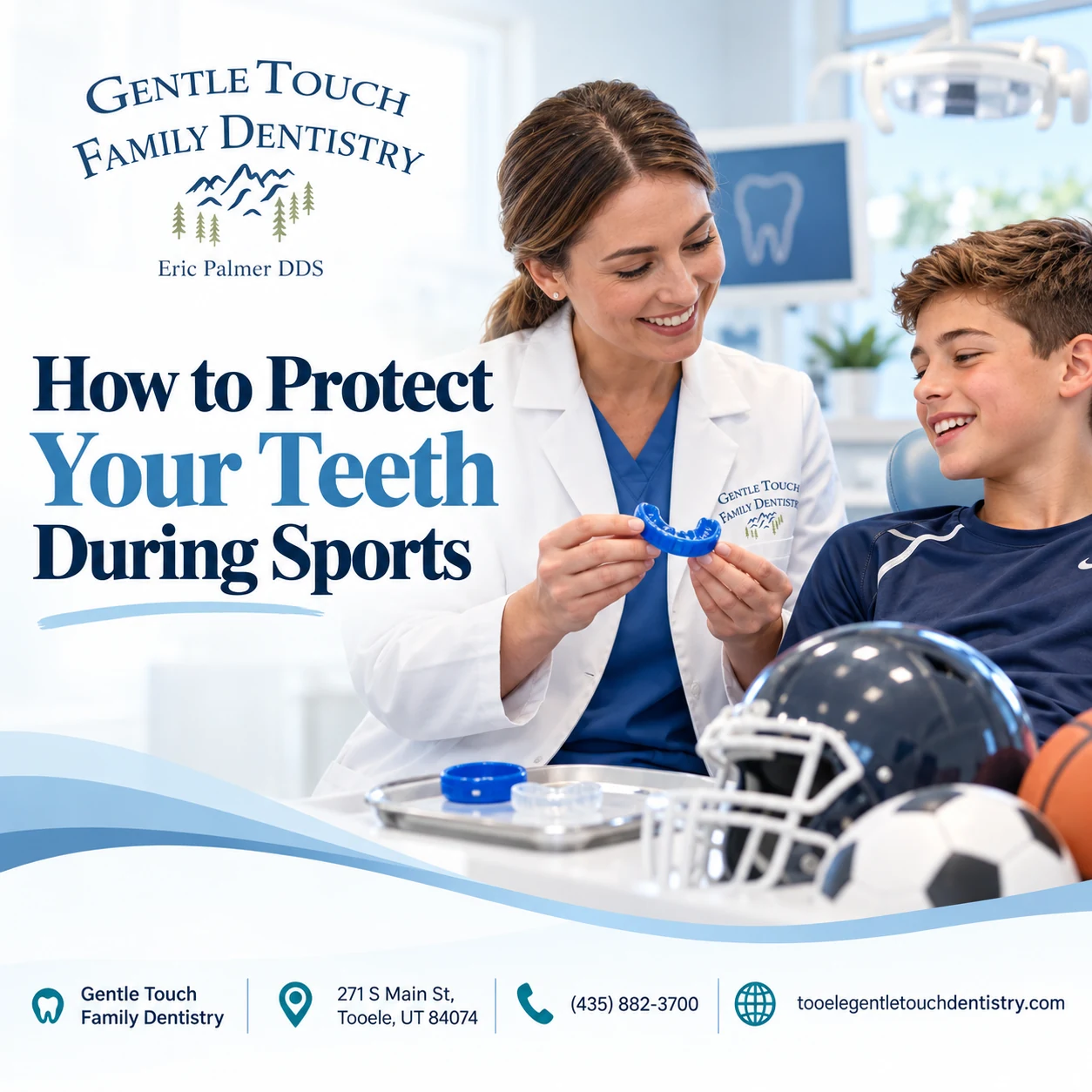
Whether you’re playing basketball with friends, participating in school football, or enjoying recreational sports, protecting your teeth deserves just as much attention as protecting the rest of your body. A sudden collision, an unexpected fall, or a ball striking your face can cause dental injuries that may require immediate treatment.
Fortunately, there are practical steps you can take to lower your risk.
The best way to protect your teeth during sports is to wear a properly fitted sports mouthguard, use appropriate protective equipment, and follow safe playing practices. A mouthguard helps cushion impacts and may reduce the risk of chipped, broken, loosened, or knocked-out teeth. It can also help protect your lips, cheeks, and other oral tissues.
Both children and adults can benefit from dental protection during sports. Even activities that don’t involve intentional contact can lead to accidental injuries.
At Gentle Touch Family Dentistry in Tooele, UT, we want patients to understand how to protect their smiles while staying active. Here’s what you should know about sports-related dental injuries, choosing a mouthguard, and responding when an accident happens.
Why Are Teeth at Risk During Sports?
Sports often involve quick movements, physical contact, and situations where accidents happen without warning.
A player may collide with another athlete, fall onto a hard surface, or get struck by a ball or piece of sporting equipment.
When an impact reaches the mouth, it can damage the teeth and surrounding tissues.
Common sports-related dental injuries include:
- Chipped teeth: A small or large piece of a tooth breaks away.
- Cracked teeth: An impact causes a fracture that may extend into the tooth.
- Loose or displaced teeth: A tooth moves from its normal position.
- Knocked-out teeth: A tooth is completely dislodged from its socket.
- Soft tissue injuries: The lips, cheeks, tongue, or gums become cut or bruised.
- Jaw injuries: A strong impact causes pain or damage to the jaw and surrounding structures.
Some injuries are immediately noticeable. Others may be less obvious.
For example, a tooth may look normal after a collision but become painful when biting. Sensitivity, swelling, or changes in the tooth’s position can also develop.
Even if there isn’t visible damage, persistent discomfort after an impact should be evaluated by a dentist.
The purpose of sports dental protection is to reduce the likelihood or severity of these injuries, although no protective device can prevent every accident.
Which Sports Have the Highest Risk of Dental Injuries?
Contact sports are commonly associated with dental injuries, but they’re not the only activities where mouth protection matters.
Any sport involving collisions, falls, flying objects, or accidental contact can put teeth at risk.
Contact and Collision Sports
Athletes who participate in football, hockey, wrestling, rugby, martial arts, and similar activities may experience direct contact with other players.
These sports can involve impacts to the face and jaw, making properly fitted mouthguards especially important.
Some organized leagues require mouthguards as part of their protective equipment rules.
Players should follow the requirements of their sport while also considering their individual dental needs.
Basketball, Soccer, and Baseball
Sports such as basketball, soccer, and baseball can also lead to dental injuries.
A basketball player might receive an unexpected elbow during a rebound. A soccer player could collide with another player while attempting a header. A baseball or softball player may be struck by a ball.
Even without frequent intentional contact, accidents can happen quickly.
For that reason, athletes should consider mouthguards when the activity presents a meaningful risk of facial impact.
Recreational Activities
Dental injuries can also occur during skateboarding, biking, skating, and other recreational activities.
Falls onto pavement or other hard surfaces can affect the teeth and jaw.
A properly fitted helmet and other activity-appropriate protective gear are important. Mouthguards may provide additional dental protection where there is a risk of impact.
Parents should consider protective equipment for children participating in recreational activities, not just organized sports.
How Do Mouthguards Protect Your Teeth?
A sports mouthguard is a protective device worn over the teeth, usually the upper teeth.
It creates a cushioning layer that helps absorb and distribute some of the force from an impact.
Instead of a blow acting directly against the teeth, the mouthguard provides a protective barrier.
Reducing the Risk of Tooth Damage
During contact or an accidental collision, pressure can be transferred to the teeth.
A mouthguard can help reduce the risk of certain fractures, chips, and tooth displacement by cushioning the impact.
It may also reduce direct contact between the upper and lower teeth during a collision.
However, the level of protection depends on the mouthguard’s design, fit, condition, and consistent use.
Protecting the Lips, Cheeks, and Tongue
Sports injuries don’t always involve broken teeth.
During a sudden impact, the lips or cheeks may be pushed against the teeth, causing cuts or other injuries.
A mouthguard provides a layer between the teeth and nearby soft tissues.
This may help reduce certain injuries to the lips, cheeks, and tongue.
Why Proper Fit Matters
A mouthguard should fit securely without requiring constant biting or clenching to keep it in place.
It should allow the athlete to breathe comfortably and communicate reasonably well.
A loose mouthguard can shift during activity, while a poorly fitted guard may feel uncomfortable enough that the athlete avoids wearing it.
The most useful mouthguard is one that fits appropriately and is worn consistently.
Custom Mouthguards vs. Store-Bought Mouthguards
Sports mouthguards are available in several types, each with different features.
Understanding the differences can help you choose an appropriate option for yourself or your child.
Custom-Fitted Mouthguards
Custom mouthguards are made using an impression or digital model of the patient’s teeth.
Because they’re designed for an individual’s mouth, they can provide a more precise fit and may be more comfortable during athletic activity.
A properly fitted custom guard can also stay in position without requiring the athlete to constantly clench their teeth.
A dentist can assess the patient’s teeth and discuss the appropriate mouthguard design, especially for athletes with orthodontic appliances or other dental considerations.
Boil-and-Bite Mouthguards
Boil-and-bite mouthguards are available from sporting goods stores and other retailers.
These products are softened according to the manufacturer’s instructions and shaped around the teeth.
They can offer a more individualized fit than standard stock mouthguards, although the result depends on the product and how accurately it is fitted.
Follow the manufacturer’s instructions carefully.
If the guard feels loose, uncomfortable, or interferes with breathing, ask a dentist whether it is suitable.
Stock Mouthguards
Stock mouthguards come in predetermined sizes and generally cannot be customized.
Because they aren’t shaped to the individual’s teeth, they may fit less securely.
Some athletes need to keep their teeth clenched to hold these mouthguards in position, which can make speaking or breathing less comfortable.
A poorly fitting guard may discourage consistent use.
Which Mouthguard Should You Choose?
| Feature | Custom mouthguard | Boil-and-bite | Stock mouthguard |
| Fit | Designed for the individual | Molded at home | Predetermined size |
| Comfort | Often more precise | Depends on fitting | May feel bulky or loose |
| Retention | Designed to stay securely in place | Varies | Often less secure |
| Professional assessment | Made through dental care | Optional | Optional |
| Replacement | When worn, damaged, or no longer fitting | When worn, damaged, or no longer fitting | When worn, damaged, or no longer fitting |
Your dentist can help you evaluate the options based on your sport, age, dental development, and oral health needs.
When Should Children and Adults Wear a Mouthguard?
Mouthguards aren’t just for professional athletes.
Children, teenagers, and adults can all benefit from wearing one during activities that present a meaningful risk of dental injury.
Children and Teenagers
Young athletes may participate in sports throughout the school year, including football, basketball, soccer, and recreational activities.
Because their teeth and jaws are still developing, the fit of a mouthguard can change over time.
Parents should check the guard regularly and have it reassessed if it becomes uncomfortable, loose, or difficult to wear.
Children receiving orthodontic treatment may need additional guidance because braces and tooth movement can affect mouthguard fit.
Adult Athletes
Adults who participate in competitive or recreational sports should also consider mouthguards.
Even experienced athletes can experience unexpected collisions or falls.
Adults with dental crowns, veneers, implants, or other restorations should speak with their dentist about appropriate protection.
A mouthguard may help reduce injury risk, but it cannot guarantee that restorations or natural teeth will remain undamaged.
Practices Matter, Too
Athletes sometimes wear protective equipment during games but leave it out during practice.
However, collisions and falls can occur during training as well.
Make wearing a mouthguard part of the normal preparation routine whenever the activity calls for dental protection.
Can Mouthguards Help Protect the Jaw and Soft Tissues?
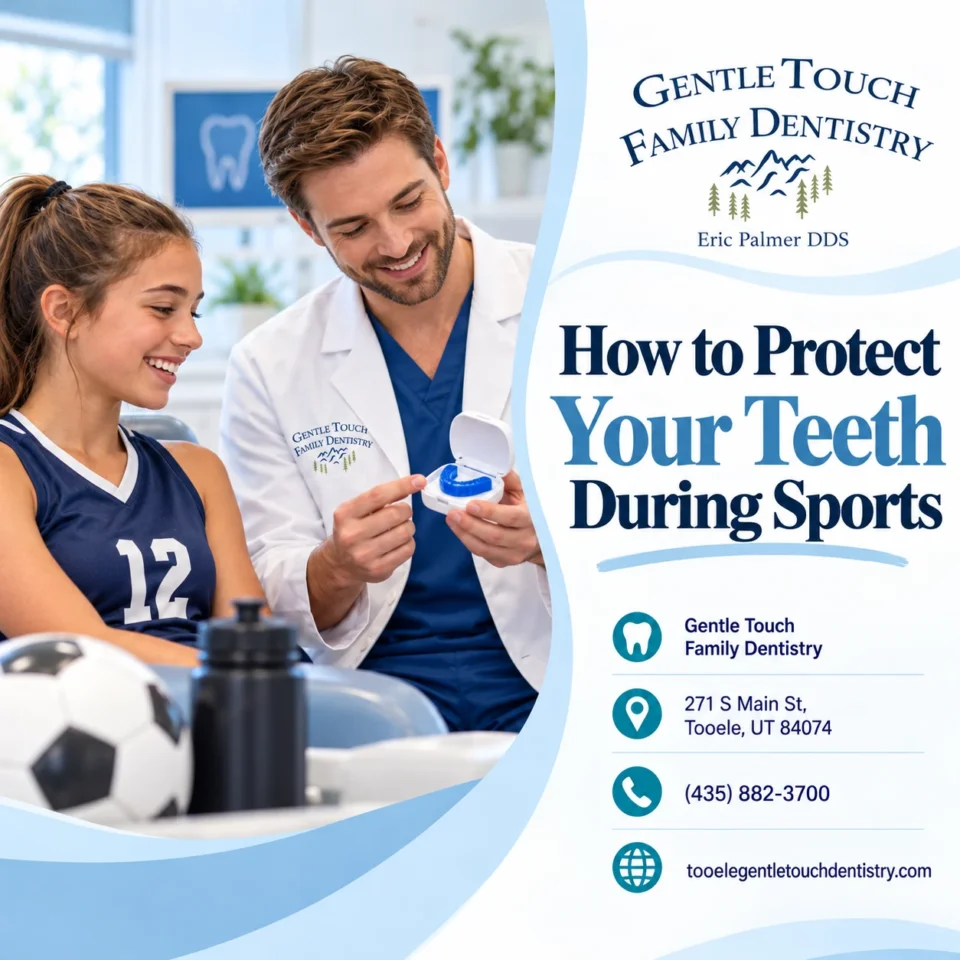
Mouthguards primarily help protect teeth and surrounding oral tissues from certain sports-related impacts.
They may also provide cushioning between the upper and lower teeth, which can help reduce some forces associated with impacts to the jaw.
However, it’s important to understand their limitations.
A mouthguard doesn’t guarantee protection against jaw fractures, concussions, or other head injuries.
Evidence is not sufficient to rely on a mouthguard as a concussion-prevention device.
Athletes should continue using properly fitted helmets, face protection, and other equipment recommended for their sport.
If an athlete experiences a significant blow to the head or jaw, the injury should be evaluated appropriately, even if they were wearing a mouthguard.
What Other Habits Help Prevent Sports-Related Dental Injuries?
A mouthguard is important, but protecting your teeth also involves a few everyday habits.
Wear Appropriate Protective Equipment
Depending on the sport, this may include helmets, faceguards, and protective eyewear.
Make sure equipment fits correctly and is in good condition.
Damaged or improperly fitted gear may not provide its intended protection.
Follow Safe Playing Practices
Pay attention to the rules and safety guidance for your sport.
Avoid unnecessary physical contact, aggressive behavior, and unsafe play.
Coaches and parents can encourage proper technique and make sure athletes understand why protective equipment matters.
Maintain Good Oral Health
Healthy teeth and gums support overall oral well-being.
Regular dental examinations can help identify cavities, weakened restorations, or other concerns that may require attention.
Good brushing and flossing habits also remain important for athletes.
At Gentle Touch Family Dentistry, our general dentistry services focus on maintaining oral health and addressing common dental concerns.
Patients can also learn about our preventive dentistry services, which include examinations and guidance for keeping teeth and gums healthy.
Keep Your Mouthguard Clean
Rinse your mouthguard after use and clean it according to your dentist’s or manufacturer’s instructions.
Allow it to dry as directed and store it in a ventilated protective case.
Avoid leaving it in direct sunlight or a hot vehicle, where some materials may become distorted.
Inspect it regularly for cracks, tears, rough areas, or changes in fit.
What Should You Do If a Tooth Is Chipped or Knocked Out?
Even with proper precautions, sports-related dental injuries can happen.
Knowing how to respond can make an important difference.
If a Tooth Is Chipped or Cracked
Stop playing and assess the injury.
Gently rinse your mouth with clean, lukewarm water.
If there is swelling, apply a cold compress to the outside of the face.
Save any broken tooth fragments you can safely locate and arrange a dental evaluation promptly.
Avoid chewing on the affected tooth.
A tooth fracture may involve more damage than is visible from the outside, so professional evaluation is important.
If a Permanent Tooth Is Knocked Out
A knocked-out permanent tooth is a time-sensitive dental emergency.
Handle the tooth by the crown, which is the part normally visible in the mouth. Avoid touching the root.
If the tooth is dirty, gently rinse it briefly with milk or saline. Do not scrub it or use soap or disinfectants.
If the person is alert and able to cooperate, and you can confidently identify it as a permanent tooth, carefully placing it back into its socket may be appropriate. Do not force it.
If you cannot reinsert it, keep the tooth moist in milk or an appropriate tooth-preservation solution and seek emergency dental care immediately, ideally within 30 minutes.
Never attempt to reinsert a knocked-out baby tooth. Doing so could damage the developing permanent tooth underneath.
For a child with a knocked-out tooth, contact a dental professional immediately if you’re unsure whether the tooth is permanent.
If the athlete has difficulty breathing, uncontrolled bleeding, suspected serious head or neck injury, or other life-threatening symptoms, seek emergency medical care first.
When Should You See a Dentist After a Sports Injury?
Not every sports-related dental injury causes obvious damage.
A tooth may remain in place but feel tender, loose, or uncomfortable when biting.
Contact a dentist promptly after an impact if you notice:
- A chipped, cracked, or broken tooth
- A tooth that feels loose or has moved
- Persistent tooth or jaw pain
- Bleeding or injuries involving the gums
- Pain when chewing or closing your mouth
- New sensitivity after the injury
- Difficulty opening or closing the jaw normally
A dentist can examine the affected area and determine whether further evaluation or treatment is needed.
Dental injuries involving permanent teeth that have been knocked out or significantly displaced require immediate attention.
If there are signs of a concussion or serious head injury, including confusion, loss of consciousness, repeated vomiting, or worsening headache, prioritize urgent medical evaluation and do not return to play.
How Often Should a Sports Mouthguard Be Replaced?
There isn’t one replacement schedule that works for every athlete.
How long a mouthguard remains suitable depends on its material, frequency of use, fit, and condition.
Children and teenagers may need more frequent adjustments or replacements because their teeth and jaws are developing.
For adults, a mouthguard may remain usable longer if it continues to fit securely and shows no signs of damage.
Signs Your Mouthguard Needs Replacing
Consider replacing or having your mouthguard evaluated if:
- It no longer stays securely in place.
- You notice cracks, tears, or worn areas.
- The material has become distorted.
- It causes discomfort or irritation.
- You’ve had significant dental work since it was fitted.
- Your teeth or bite have changed.
- It interferes with comfortable breathing.
Bring your mouthguard to a dental appointment if you’re uncertain about its condition.
Your dentist can help determine whether it still provides an appropriate fit.
For children, checking the guard before each new sports season is a useful habit.
FAQs
What Is the Best Way to Protect Your Teeth During Sports?
Wear a properly fitted sports mouthguard whenever your activity carries a risk of dental injury. Use other protective equipment appropriate for the sport and follow safe playing practices. A mouthguard can reduce certain injuries, but it cannot prevent every accident.
Are Custom Mouthguards Better Than Store-Bought Mouthguards?
Custom mouthguards are designed for an individual’s teeth and often provide better fit, retention, and comfort. Store-bought boil-and-bite mouthguards can also offer protection when properly fitted. A dentist can help determine which option is appropriate.
Should My Child Wear a Mouthguard for Basketball?
Basketball involves accidental contact with other players, including elbows and collisions that may injure the mouth. A properly fitted mouthguard is a sensible precaution, even when league rules don’t require one. Ask your child’s dentist for advice about fit and dental development.
Can You Wear a Sports Mouthguard With Braces?
Yes, but the mouthguard needs to accommodate the orthodontic appliances and changes in tooth position. Some sports mouthguards are designed for use with braces. Consult your dentist or orthodontist before choosing or modifying a guard.
Do Mouthguards Prevent Concussions?
Mouthguards help reduce the risk of certain dental and oral injuries, but they should not be relied on to prevent concussions. Athletes should use appropriate helmets and protective equipment and follow concussion safety protocols. Any suspected concussion requires medical evaluation.
How Do I Know if My Mouthguard Fits Correctly?
A mouthguard should stay in place comfortably without constant clenching. It should not interfere significantly with breathing and should provide appropriate coverage for the teeth it is designed to protect. If it feels loose, painful, or distorted, have it evaluated.
Protect Your Smile While Staying Active in Tooele
Playing sports is a great way to stay active, build confidence, and enjoy time with teammates and friends. Protecting your teeth should be part of preparing for every practice, game, or recreational activity.
A properly fitted mouthguard, appropriate protective gear, and good oral health habits can help reduce the risk of sports-related dental injuries.
At Gentle Touch Family Dentistry in Tooele, UT, we help patients and families care for their teeth through routine dental examinations, preventive guidance, and restorative dental services.
If you have questions about protecting your teeth during sports or whether your current mouthguard fits properly, our team can help you discuss your concerns and next steps.
Contact Gentle Touch Family Dentistry to request an appointment and learn more about protecting your smile during sports.