
Table of Contents
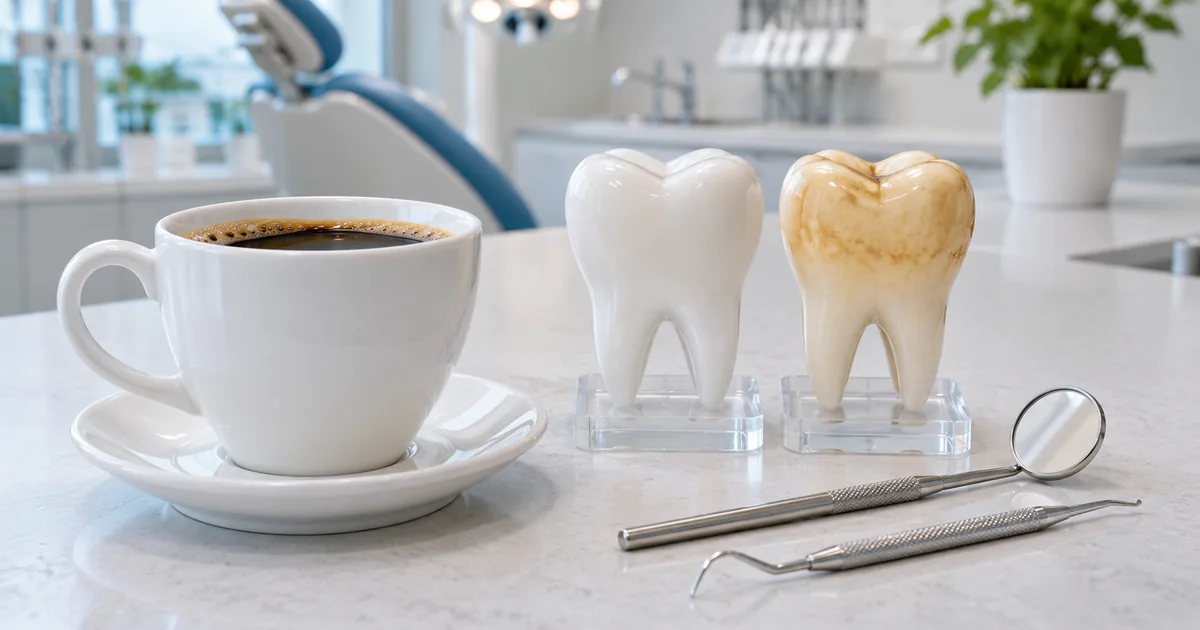
Yes, drinking coffee regularly can contribute to yellow or brown discoloration because it contains natural pigments and compounds that can accumulate on tooth surfaces. The amount of staining depends on how frequently you drink coffee, your oral hygiene habits, and the condition of your enamel. Fortunately, many surface stains can be reduced through consistent dental care and professional cleaning.
At Gentle Touch Family Dentistry in Tooele, UT, we help patients understand why their teeth may be changing color and what they can do about it. You do not necessarily need to stop enjoying your morning coffee. Learning how staining develops can help you protect your teeth while maintaining the habits you enjoy.
Quick Answer: Does Coffee Stain Your Teeth?
Yes. Coffee can cause extrinsic tooth staining, which means discoloration develops on the outer surfaces of the teeth.
Coffee contains naturally occurring colored compounds that can adhere to tooth surfaces over time. These compounds may cause yellowish, brown, or darker staining, especially with frequent exposure.
However, not everyone who drinks coffee develops the same degree of discoloration.
Several factors influence how noticeable coffee stains become:
- How many cups of coffee you drink.
- How frequently your teeth are exposed to coffee.
- Whether you sip coffee over several hours.
- Your brushing and interdental cleaning habits.
- The presence of plaque and tartar.
- Your existing enamel condition.
- Other staining habits, including tobacco use.
- Whether discoloration also has an internal cause.
Many coffee stains develop gradually.
Patients may initially notice that their teeth look slightly darker or less bright than before.
Over time, the change may become more noticeable.
Fortunately, surface staining is often manageable.
Professional dental cleaning can remove many external stains, while whitening treatment may improve certain types of discoloration.
However, whitening does not work equally well for every stain, and it does not change the color of existing crowns or tooth-colored fillings.
The best approach depends on what is causing the discoloration.
Why Does Coffee Cause Tooth Discoloration?
Coffee contains several substances that contribute to its color, flavor, and potential to stain teeth.
Understanding how these compounds interact with tooth surfaces helps explain why frequent coffee drinkers may notice discoloration.
Coffee Contains Colored Compounds
Coffee contains natural pigments and polyphenolic compounds, including tannins.
These substances can contribute to discoloration when they accumulate on tooth surfaces.
Repeated exposure may make stains more visible over time.
Stains Develop on the Tooth Surface
The outer surface of a tooth is covered by enamel, which protects the underlying structures.
Coffee pigments may accumulate within the acquired pellicle, a thin protective film that naturally forms over teeth, and on surface deposits.
As staining material builds up, teeth may appear darker or more yellow.
Plaque Can Make Staining More Noticeable
Plaque is a sticky bacterial film that develops on teeth.
If it is not removed consistently, it may contribute to the accumulation of staining compounds.
Tartar, which is hardened plaque, can also become discolored.
Because tartar cannot be removed through ordinary brushing, professional cleaning may be necessary.
Coffee Is Mildly Acidic
Coffee is generally acidic, although its acidity varies with the type and preparation.
Acid exposure is a separate concern from staining.
Frequent exposure to acidic beverages can contribute to enamel erosion, especially when combined with other dietary or medical risk factors.
However, drinking coffee does not automatically mean that enamel erosion will occur.
Enamel Changes Can Affect Tooth Color
When enamel becomes thinner, more of the naturally yellowish dentin underneath may become visible.
This type of color change is not necessarily caused by coffee pigments alone.
A dentist can help distinguish surface staining from other causes of discoloration.
Other Habits Can Contribute
Coffee may not be the only reason teeth appear darker.
Tea, red wine, tobacco use, certain foods, aging, and some medications can also affect tooth color.
This is why identifying the type of stain matters before choosing a treatment.
Are Coffee Stains Permanent?
Coffee stains are not always permanent. Many are surface stains that can be reduced or removed through appropriate dental care.
However, some discoloration may be more difficult to address.
The outcome depends on where the staining is located and whether other changes to the teeth are present.
Surface Stains
Extrinsic stains develop on the outer surfaces of teeth.
These often respond to professional cleaning, polishing, or certain whitening products.
For mild discoloration, improving daily oral hygiene may help prevent additional buildup.
Deeper Discoloration
Intrinsic discoloration affects the internal tooth structure or originates beneath the visible surface.
This may develop for reasons unrelated to coffee, such as trauma, medications, or changes in tooth development.
Certain types of intrinsic staining can respond to bleaching, but results vary.
Other discoloration may require a different approach.
Can Whitening Toothpaste Remove Coffee Stains?
Some whitening toothpastes contain ingredients that help remove external stains.
However, they generally do not significantly change the natural internal color of teeth.
Patients should choose products appropriate for daily use and avoid aggressive brushing.
Using a more abrasive product does not automatically provide better results.
Can Professional Cleaning Make Teeth Look Whiter?
Yes, when external staining is present.
Professional cleaning may remove plaque, tartar, and certain surface stains, allowing the teeth’s existing color to appear more clearly.
However, cleaning does not bleach natural tooth structure.
Why Staining May Return
Even after staining is removed, continued exposure to coffee and other pigmented beverages can cause new discoloration.
Maintaining results requires consistent oral hygiene and realistic expectations.
At Gentle Touch Family Dentistry, we can evaluate the type of discoloration before recommending cleaning, whitening, or another appropriate option.
Does Adding Milk Reduce Coffee Staining?
Adding milk may influence the staining potential of coffee, but it does not guarantee that your teeth will remain stain-free.
Some laboratory research suggests that proteins in milk, particularly casein, can interact with compounds in tea and potentially reduce staining.
However, evidence about the effect of milk on coffee-related tooth staining in everyday conditions is limited.
Does Lighter Coffee Mean Less Staining?
Coffee with milk may appear lighter in color.
However, appearance alone does not reliably indicate how much staining it will cause.
The concentration of coffee, frequency of consumption, and individual oral conditions also matter.
What About Creamer?
Coffee creamers vary widely in ingredients.
Some contain added sugars, while others are unsweetened.
There is insufficient evidence to assume that using a creamer consistently prevents dental staining.
Does Sugar Make Coffee Stain More?
Adding sugar does not necessarily make coffee pigments more likely to stain enamel.
However, frequent sugar exposure can contribute to tooth decay because oral bacteria produce acids when they metabolize fermentable carbohydrates.
A sweetened coffee consumed repeatedly throughout the day may therefore raise cavity concerns in addition to staining.
Is Black Coffee Worse for Teeth?
Black coffee contains pigments that can cause surface staining.
However, the amount of discoloration differs among individuals.
Rather than relying on milk to prevent stains, focus on limiting prolonged exposure and maintaining consistent oral hygiene.
The takeaway: Milk may affect the way certain pigments interact with teeth, but it should not be considered a reliable stain-prevention treatment.
How Often You Drink Coffee Matters
When patients ask, “Does coffee stain teeth?”, the frequency and duration of exposure are important considerations.
Drinking coffee occasionally may have a different effect from sipping it continuously throughout the day.
Repeated Exposure Encourages Buildup
Each cup of coffee brings colored compounds into contact with tooth surfaces.
Over time, repeated exposure can contribute to visible discoloration.
The amount of staining is not determined by the number of cups alone, but frequency matters.
Sipping Coffee for Hours
Some people drink one large coffee throughout the morning.
Although this may involve fewer total cups, it creates repeated contact between coffee and the teeth.
Finishing a beverage within a shorter period may help reduce prolonged exposure.
Drinking Coffee With Meals
Having coffee with a meal rather than sipping it between meals may reduce the number of separate acid and sugar exposures throughout the day.
This habit can be helpful for overall oral health, particularly when the drink contains added sugar.
Iced Coffee and Straws
Using a straw for iced coffee may help limit direct contact with the front teeth when the straw is positioned appropriately.
However, it does not prevent all exposure.
Coffee will still contact some areas of the mouth.
Morning Coffee Versus All-Day Coffee
A person who enjoys coffee once in the morning may experience less repeated pigment exposure than someone who frequently refills a cup throughout the day.
However, individual results depend on oral hygiene, enamel condition, and other factors.
The goal is not necessarily to eliminate coffee.
It is to understand how drinking habits may affect staining and dental health.
Can Brushing Right After Coffee Help?
Brushing your teeth is important for removing plaque and reducing surface staining.
However, brushing immediately after an acidic beverage is not always the best approach.
Why Timing Matters
Acid exposure can temporarily affect the tooth surface.
Brushing immediately after acidic drinks may contribute to enamel wear in susceptible situations.
The American Dental Association recommends rinsing with water rather than brushing immediately after consuming acidic beverages.
How Long Should You Wait?
Waiting approximately 30 to 60 minutes after acidic drinks before brushing is a practical approach.
This allows saliva time to help neutralize acids.
However, the exact recommendation may vary depending on your dental condition and overall acid exposure.
What Should You Do Immediately After Coffee?
Rinsing your mouth with plain water is a simple option.
Water can help clear some residual beverage from the mouth and reduce the time that acids and pigments remain in contact with the teeth.
Brush Gently With Fluoride Toothpaste
When it is time to brush, use a soft-bristled toothbrush and fluoride toothpaste.
The American Dental Association recommends brushing twice daily for two minutes.
Use gentle pressure rather than scrubbing aggressively.
Avoid Brushing More Forcefully
Coffee stains may make some patients feel that they need to scrub harder.
However, excessive pressure can irritate the gums and contribute to tooth surface wear.
A gentle, consistent technique is more appropriate.
What If You Drink Coffee After Brushing?
You do not need to brush repeatedly every time you finish a cup.
Maintaining a regular oral hygiene routine, rinsing with water, and reducing prolonged exposure can help.
If staining remains noticeable despite good home care, professional cleaning may be useful.
How Can You Reduce Coffee Stains?
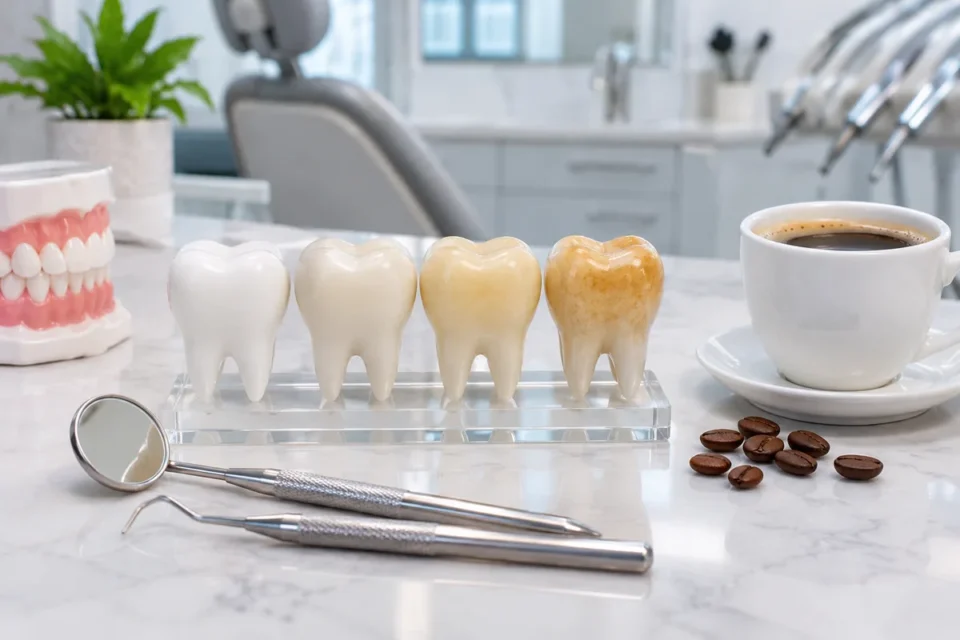
Coffee staining cannot always be prevented completely, but several habits may help limit discoloration.
These recommendations also support general oral health.
1. Rinse With Water After Coffee
Drinking or rinsing with water can help clear residual pigments and acids from the mouth.
This is especially useful when you cannot brush immediately.
2. Avoid Sipping Coffee All Day
Try to limit prolonged coffee exposure rather than drinking small amounts continuously for several hours.
3. Brush Twice Daily
Use fluoride toothpaste and a soft-bristled toothbrush.
Daily plaque removal helps maintain cleaner tooth surfaces and reduce the accumulation of external stains.
4. Clean Between Your Teeth
Floss or use another appropriate interdental cleaning tool once daily.
Staining and plaque can accumulate in areas that toothbrush bristles cannot reach effectively.
5. Consider a Straw for Iced Coffee
A straw may reduce contact with certain front tooth surfaces.
However, it does not eliminate the risk of staining.
6. Limit Added Sugar
Reducing added sugar can help lower cavity risk, particularly when coffee is consumed frequently.
7. Avoid Abrasive Home Remedies
Some online recommendations suggest using lemon juice, charcoal powder, or baking soda aggressively to remove stains.
Acidic or abrasive methods may damage teeth or irritate oral tissues when used improperly.
Avoid attempting to scrape stains from your teeth with household tools.
8. Schedule Professional Dental Cleanings
Professional cleaning can remove plaque, tartar, and certain external stains.
Your dentist can also identify whether discoloration is related to another dental concern.
9. Ask About Whitening Products
If surface cleaning does not achieve the appearance you want, ask whether a whitening treatment is appropriate.
The results depend on the type of discoloration and your dental health.
Small, consistent changes are generally more useful than aggressive attempts to remove stains quickly.
When Is Professional Teeth Whitening Helpful?
Professional teeth whitening may be helpful when patients want to lighten natural teeth that have become discolored.
However, not every type of staining responds the same way.
When Cleaning Is Not Enough
Professional cleaning can remove many external deposits.
If teeth remain darker than desired after cleaning, whitening may be an option.
Whitening uses peroxide-based agents to change certain colored compounds within tooth structure.
When Natural Teeth Have Generalized Discoloration
Patients with widespread yellowing may be candidates for whitening.
However, individual results depend on the cause and severity of the discoloration.
When Stains Are More Persistent
Some stains respond less readily to ordinary surface cleaning.
A dentist can help determine whether bleaching is likely to improve their appearance.
What About Crowns and Fillings?
Whitening treatments do not change the color of crowns, veneers, or tooth-colored fillings in the same way as natural teeth.
Patients with visible restorations may need to consider how those materials will look after whitening.
Is Whitening Right for Sensitive Teeth?
Some whitening products can cause temporary tooth sensitivity or gum irritation.
Patients with existing sensitivity, cavities, or gum problems should have those concerns evaluated before whitening.
Are Results Permanent?
No.
Whitening results can fade over time, especially with continued exposure to coffee, tea, tobacco, and other staining substances.
The duration varies among patients.
Why a Dental Examination Helps
At Gentle Touch Family Dentistry, we evaluate tooth and gum health before discussing appropriate whitening options.
Our Teeth Whitening services may help patients who want to improve certain types of discoloration.
We explain realistic expectations, possible side effects, and whether whitening is suitable for your smile.
How Preventive Dental Care Helps With Staining
Preventive dental care plays an important role in keeping teeth clean and identifying changes in their appearance.
Although staining is often cosmetic, discoloration can sometimes occur alongside dental conditions that require treatment.
Professional Cleaning Removes Buildup
Plaque and tartar may make external stains more noticeable.
Professional cleaning removes deposits that ordinary brushing cannot eliminate.
Depending on the stain, polishing may also improve the appearance of tooth surfaces.
Dental Exams Identify Other Causes
Not every dark or discolored area is caused by coffee.
Changes in tooth color may be associated with decay, enamel wear, trauma, or other conditions.
A dental examination helps determine whether the discoloration is cosmetic or requires further assessment.
Preventive Visits Support Better Habits
During routine appointments, we can discuss brushing techniques, fluoride use, beverage habits, and ways to reduce excessive acid exposure.
We can also recommend products appropriate for your oral health needs.
Monitoring Enamel Condition
Patients who frequently consume acidic beverages may benefit from monitoring for signs of erosion.
Enamel that has been physically lost does not naturally grow back.
Identifying concerning wear patterns can help guide preventive recommendations.
Addressing Gum Health
Healthy gums contribute to overall oral health.
Professional examinations can identify inflammation, bleeding, and other concerns that may not be related directly to coffee staining.
Personalized Appointment Schedules
Many patients benefit from routine examinations and cleanings, but the appropriate frequency depends on individual needs.
Patients with gum disease, elevated cavity risk, or other conditions may need a different schedule.
Our Preventive Dentistry services help patients maintain healthy teeth and gums through ongoing examinations, professional care, and individualized recommendations.
Teeth Whitening in Tooele
Coffee is part of many people’s daily routines.
For some, it is a morning habit. For others, it is something they enjoy throughout the workday.
Although coffee can gradually contribute to tooth discoloration, enjoying your favorite drink does not automatically mean you will develop severe staining.
The appearance of your teeth depends on multiple factors, including oral hygiene, other dietary habits, and your natural tooth color.
At Gentle Touch Family Dentistry, we help patients in Tooele, UT, understand the difference between external staining and other forms of discoloration.
Identifying the Type of Stain
During a dental examination, we can evaluate visible discoloration and determine whether professional cleaning, whitening, or another approach may be appropriate.
Discussing Whitening Options
For suitable patients, whitening may help improve the appearance of natural teeth.
However, treatment results vary.
We discuss what patients can reasonably expect based on their dental health and the type of discoloration present.
Protecting Teeth While Improving Their Appearance
We believe cosmetic concerns should be addressed alongside oral health.
Before whitening, we consider whether cavities, gum inflammation, or sensitivity require attention.
Supporting Long-Term Habits
We can recommend practical ways to limit future staining without requiring unnecessary changes to your lifestyle.
Small adjustments to coffee-drinking habits and daily oral hygiene can be useful.
Care for Tooele Families
Our practice provides general, preventive, cosmetic, and restorative dental services for individuals and families in Tooele and nearby communities.
Whether you have noticed gradual yellowing or want to discuss professional whitening, we can help you understand the available options.
The goal is to improve your smile’s appearance while protecting the health of your teeth and gums.
FAQs About Coffee and Tooth Stains
Does one cup of coffee a day stain your teeth?
It can contribute to staining over time, but the amount varies. Oral hygiene, exposure frequency, enamel condition, and other habits influence how noticeable discoloration becomes.
Does iced coffee stain teeth less than hot coffee?
Not necessarily. Both contain pigments that can cause staining. Using a straw for iced coffee may reduce direct contact with some front tooth surfaces, but it does not prevent staining completely.
Can coffee stains be removed with brushing?
Some mild surface stains may improve with appropriate toothpaste and consistent brushing. More persistent external stains may require professional cleaning or whitening, depending on the cause.
Does adding milk to coffee prevent teeth stains?
Not reliably. Milk may interact with certain staining compounds, but evidence is insufficient to guarantee that adding milk prevents coffee-related discoloration.
Should I brush immediately after drinking coffee?
It is generally better to rinse with water and avoid brushing immediately after acidic beverages. Waiting approximately 30 to 60 minutes before brushing can help reduce the risk of abrasion following acid exposure.
Can professional whitening remove coffee stains?
Whitening can improve many types of tooth discoloration, including certain stains associated with coffee. However, results vary, and existing crowns or fillings do not whiten like natural teeth.
Enjoy Your Coffee While Caring for Your Smile
Coffee can gradually change the appearance of your teeth, but that does not mean you must give up your daily cup.
Understanding how staining develops can help you make better choices about beverage habits, brushing, and preventive dental care.
At Gentle Touch Family Dentistry, we help patients throughout Tooele, UT, maintain healthy teeth and understand their options for managing discoloration.
Our team provides preventive examinations, professional dental cleanings, and teeth whitening services for suitable patients.
We focus on evaluating the cause of staining before recommending treatment.
Some patients may benefit from professional cleaning and improved daily habits, while others may want to explore whitening options for more noticeable discoloration.
We also explain why whitening results vary and why maintaining healthy enamel and gums should remain a priority.
Whether you are concerned about yellowing, surface stains, or changes in your smile’s appearance, we can discuss your goals and recommend appropriate care.
If you have been wondering does coffee stain teeth, the answer is yes, but practical habits and professional dental care can help you manage discoloration without relying on harsh home remedies.
Schedule a dental appointment with Gentle Touch Family Dentistry in Tooele, UT. Call (435) 882-3700 or visit our office at 271 S Main St, Tooele, UT 84074 to discuss professional cleaning and teeth whitening options.
Let us help you maintain a healthy smile while enjoying the everyday routines you love.