Table of Contents
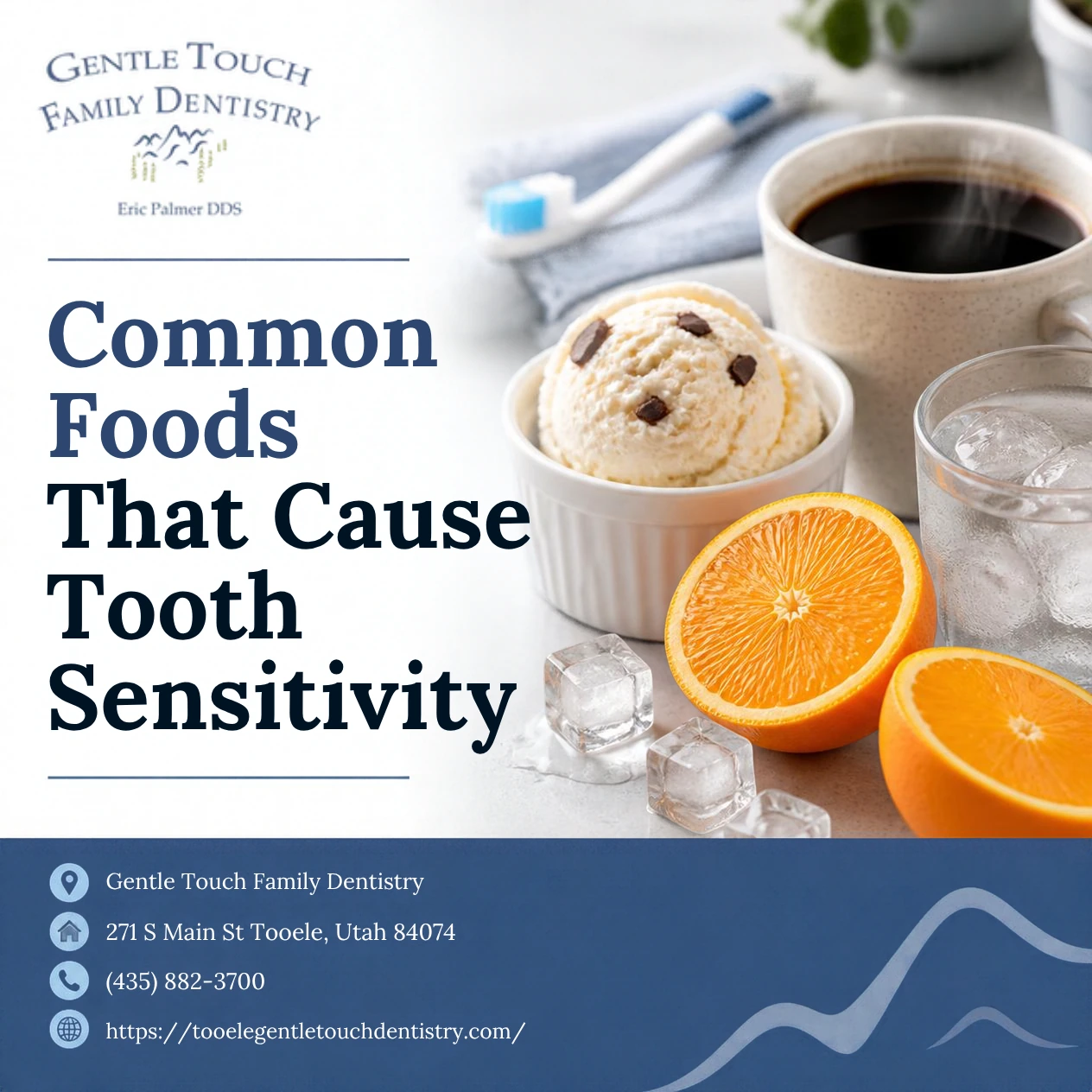
A spoonful of ice cream, a sip of hot coffee, or a bite of citrus fruit can be surprisingly uncomfortable when you have sensitive teeth. Foods that commonly cause tooth sensitivity include very cold or hot foods, acidic foods and drinks, sweets, and some sticky foods.
These foods do not always cause the underlying dental problem. Instead, they may trigger discomfort when sensitive areas of a tooth are exposed. When dentin loses some of its protective covering, heat, cold, acidic foods, and other stimuli can reach the microscopic tubules in the dentin and create a sensitive or painful sensation.
Occasional sensitivity may be manageable, but sensitivity that is persistent, worsening, or limited to one particular tooth deserves a closer look. Cavities, worn enamel, gum recession, cracked teeth, worn fillings, and other dental problems can all contribute to sensitivity.
What Foods Commonly Cause Tooth Sensitivity?
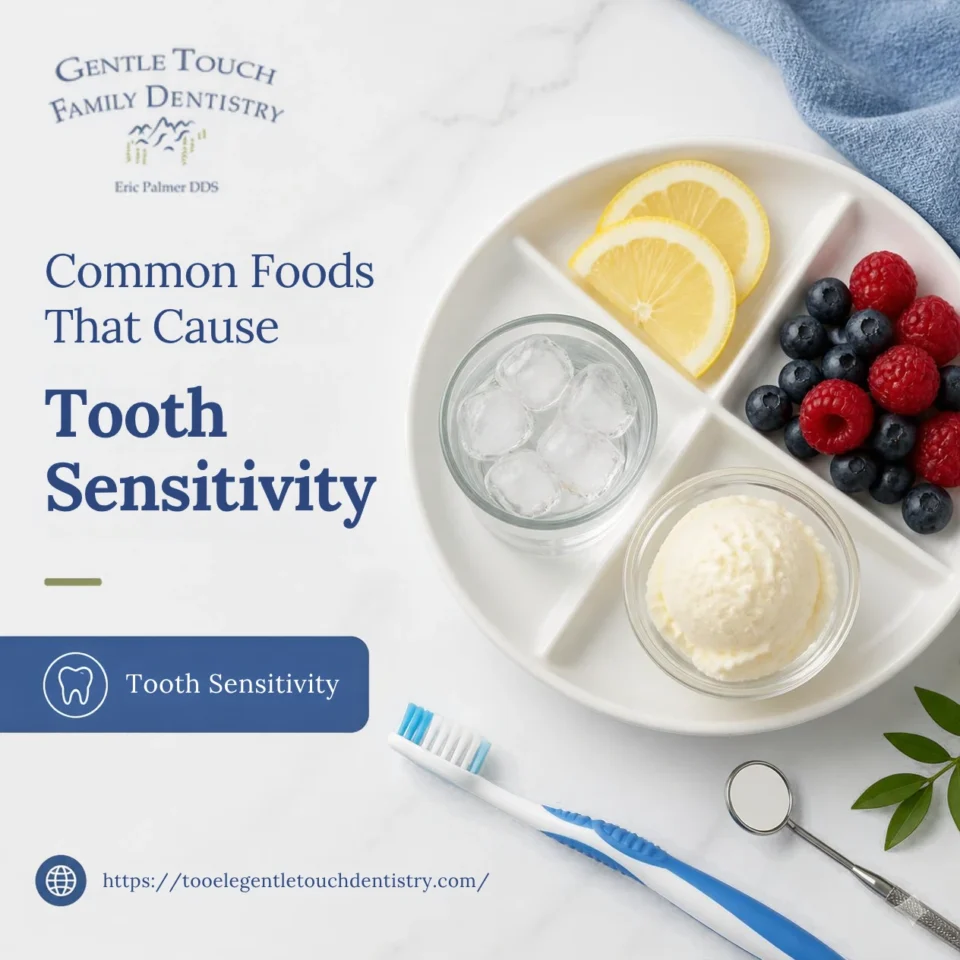
The foods most likely to bother sensitive teeth usually fall into a few categories:
- Very cold foods, such as ice cream, frozen treats, and ice
- Very hot foods and drinks, including coffee, tea, and hot soup
- Acidic foods, such as citrus fruits and tomatoes
- Acidic drinks, including soda, sports drinks, lemonade, and some fruit juices
- Sugary foods and drinks
- Sticky foods that remain on the teeth for longer periods
Not everyone with sensitive teeth reacts to the same things. One person may notice discomfort only with ice water, while another may have trouble with both hot drinks and sweets.
The important question is not simply which food hurts. It is also why the tooth is sensitive in the first place.
If eating or drinking regularly causes discomfort, our tooth sensitivity page explains more about common causes and treatment options.
Why Do Cold Foods Trigger Sensitive Teeth?
Cold foods are among the most recognizable triggers for tooth sensitivity. Ice cream, frozen fruit, iced drinks, and even cold water can cause a sudden, sharp sensation.
A healthy tooth has protective enamel over its visible surface. Beneath the enamel is dentin, which contains microscopic tubules. When dentin becomes exposed, temperature changes can stimulate the sensitive tissues inside the tooth more easily.
That does not necessarily mean something serious is wrong every time a cold drink causes a brief twinge. However, repeated cold sensitivity may be associated with worn enamel, exposed roots, gum recession, decay, cracked teeth, or older dental work.
Pay attention to whether the discomfort affects several teeth or consistently occurs in one specific spot. That information can help your dentist narrow down the cause.
Can Hot Foods Cause Tooth Sensitivity?
Yes. Hot coffee, tea, soup, and other warm foods can also trigger sensitive teeth.
Like cold temperatures, heat can stimulate exposed dentin and produce discomfort. The American Dental Association lists sensitivity to both hot and cold foods or beverages among common signs of sensitive teeth.
A brief reaction to temperature is different from pain that lingers well after the food or drink is gone. If heat causes strong, persistent, or worsening pain, schedule a dental evaluation rather than simply avoiding hot foods.
Temperature sensitivity is a symptom. A dental exam can help identify the reason it is happening.
How Acidic Foods and Drinks Affect Sensitive Teeth
Acidic foods deserve special attention because they can do more than trigger an already-sensitive tooth.
Frequent exposure to acids can contribute to dental erosion, which wears away enamel. Because enamel does not grow back once it has been lost, continued erosion can leave teeth more vulnerable to sensitivity and other problems.
Common acidic foods and drinks include:
- Lemons, limes, oranges, and other citrus fruits
- Lemonade and citrus-flavored drinks
- Tomatoes and tomato-based foods
- Soda
- Sports drinks
- Sour candies
- Some fruit juices
This does not mean you need to eliminate nutritious foods such as citrus fruits or tomatoes from your diet. The ADA recommends consuming acidic foods such as tomatoes and citrus as part of a meal rather than continually exposing the teeth to them on their own.
Water is also a tooth-friendly choice between meals, especially compared with sipping acidic beverages throughout the day.
Can Sugary Foods Make Sensitivity Worse?
Sugary foods can bother some sensitive teeth, especially when dentin is exposed.
Sugar is also important for another reason: frequent exposure to sugary foods and drinks can contribute to tooth decay. If a cavity develops or progresses, the affected tooth may become sensitive.
Sticky sweets can be particularly troublesome because they tend to remain on tooth surfaces longer than foods that are quickly washed away.
Instead of assuming sugar itself is the entire problem, consider recurring sensitivity a reason to check the health of the tooth. A dentist can determine whether the sensation is related to exposed dentin, enamel wear, decay, or another issue.
Which Foods Are Easier on Sensitive Teeth?
When your teeth are feeling sensitive, foods that are moderate in temperature and not highly acidic are often more comfortable.
Depending on your individual triggers, easier options may include:
- Room-temperature water
- Soft-cooked vegetables
- Eggs
- Oatmeal that has cooled slightly
- Rice and pasta
- Mild soups served warm rather than very hot
- Cheese and other foods that do not cause discomfort for you
- Soft fruits that are not highly acidic
The goal is not to create an unnecessarily restrictive diet. It is to reduce obvious triggers while you identify why the sensitivity is happening.
If you find yourself avoiding entire categories of food because eating has become uncomfortable, that is a good reason to schedule an evaluation.
How Can You Reduce Sensitivity While Eating?
A few simple habits may make eating and drinking more comfortable while also helping protect your teeth.
First, avoid extreme temperatures when possible. Let very hot drinks cool a little and give frozen foods a moment to soften before eating them.
You can also reduce how often your teeth are exposed to acidic drinks. Rather than sipping soda, sports drinks, or citrus beverages repeatedly throughout the day, limit prolonged exposure and choose water more often.
Good daily oral hygiene matters as well. Brush gently rather than aggressively. A soft-bristled toothbrush and a desensitizing toothpaste may be appropriate for some patients. The ADA notes that sensitivity toothpastes are available and that dentists can recommend products for hot- and cold-food sensitivity or enamel wear.
For personalized guidance on protecting your teeth and gums, visit our preventive dentistry page.
Can Tooth Sensitivity Be a Sign of Another Dental Problem?
Yes. Tooth sensitivity is a symptom rather than a diagnosis.
Possible causes can include:
- Worn tooth enamel
- Gum recession and exposed tooth roots
- Tooth decay
- Cracked or fractured teeth
- Worn or damaged fillings
- Gum disease
The ADA identifies these among the possible reasons a person may develop sensitive teeth.
This is why simply avoiding ice cream or coffee may not solve the underlying issue. Changing what you eat may reduce the immediate trigger, but a dentist can determine whether there is a dental problem that needs attention.
Sensitivity that begins suddenly, becomes stronger, or affects one specific tooth should not be ignored.
How Preventive Dental Care Helps Protect Sensitive Teeth
Regular preventive dental care gives your dentist an opportunity to identify changes before they become more uncomfortable.
During an exam, your dental team can look for concerns such as enamel wear, cavities, gum recession, damaged restorations, or other possible sources of sensitivity. Professional cleanings also support healthy teeth and gums as part of an ongoing preventive routine.
Your dentist may also recommend changes to your brushing technique, oral care products, diet, or treatment plan based on the cause of your sensitivity.
Preventive care is particularly helpful because two people with similar symptoms may need very different solutions. One person’s sensitivity may come from exposed roots, while another person’s discomfort may be related to decay or a damaged tooth.
Learn more about routine care at Gentle Touch Family Dentistry on our preventive dentistry page.
When Should You See a Dentist for Tooth Sensitivity?
Consider scheduling a dental visit if sensitivity:
- Happens frequently
- Is getting worse
- Causes significant pain
- Occurs mainly in one tooth
- Continues after the hot or cold food is gone
- Makes it difficult to eat or drink normally
- Appears along with other dental symptoms
A dental examination can identify whether the problem is routine dentin sensitivity or something that requires treatment.
If you are in Tooele and food or drinks regularly make your teeth hurt, Gentle Touch Family Dentistry can evaluate the source of the sensitivity and discuss appropriate options with you. You can also learn more about our local dental care on our Tooele dentist page.
FAQs
What foods should I avoid if I have sensitive teeth?
You may want to temporarily limit foods that consistently trigger discomfort, especially extremely hot or cold foods and acidic items such as citrus, soda, and sour candy. You do not necessarily need to permanently eliminate every trigger; identifying and addressing the underlying cause of sensitivity is more important.
Why does ice cream hurt my teeth?
Cold temperatures can stimulate sensitive areas when dentin is exposed. Dentin contains microscopic tubules that can allow temperature changes to affect the sensitive tissues inside the tooth more easily.
Are citrus fruits bad for sensitive teeth?
Citrus fruits are acidic, so they may trigger existing sensitivity and frequent acid exposure can contribute to enamel erosion. They can still be part of a balanced diet; consuming acidic foods as part of a meal rather than exposing your teeth to them repeatedly throughout the day may help limit their effect.
Can coffee cause tooth sensitivity?
Hot coffee may trigger discomfort in teeth that are already sensitive. The temperature is often the immediate trigger, although the underlying sensitivity may come from enamel wear, exposed roots, decay, or another dental condition.
Will sensitive teeth go away on their own?
It depends on the cause. Mild sensitivity may improve with changes in oral care habits or sensitivity to toothpaste, while sensitivity caused by decay, a crack, gum recession, or another dental problem may require professional treatment.
When is tooth sensitivity something to worry about?
Sensitivity should be evaluated when it is persistent, severe, worsening, or consistently affects one tooth. A dentist can determine whether the problem is exposed dentin or another condition such as decay, a fracture, worn dental work, or gum disease.