
Table of Contents
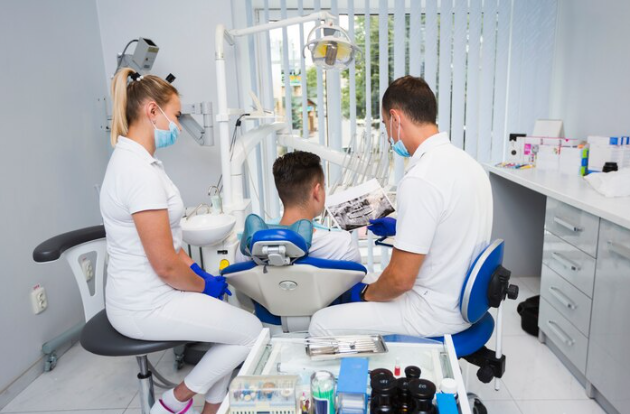
Preparing properly before a dental appointment and following aftercare instructions afterward can improve treatment outcomes, reduce complications, and support a more comfortable experience. Small steps taken both before and after your visit help protect your oral health and promote faster recovery when dental treatment is performed.
Many patients focus only on the appointment itself, but preparation and aftercare are equally important. Whether you are visiting for a routine cleaning, filling, extraction, examination, or more advanced procedure, understanding what to do beforehand and afterward helps ensure you receive the greatest benefit from your dental care and maintain long-term oral health.
Should I Brush My Teeth Before Going to the Dentist?
Yes. Brushing your teeth before a dental visit is generally recommended.
Good oral hygiene helps create a cleaner environment for examination and treatment.
Why Brushing Is Helpful
Removing food particles and plaque allows the dental team to evaluate your teeth and gums more effectively.
It also helps improve your comfort during the appointment.
Flossing Is Beneficial Too
Flossing before your visit can remove debris trapped between teeth.
This provides a more complete cleaning than brushing alone.
Do Not Worry About Perfect Teeth
Many patients avoid dental visits because they feel embarrassed about the condition of their teeth.
Dentists are focused on helping patients improve oral health, not judging their habits.
Follow Your Normal Routine
In most situations, simply brushing and flossing as you normally would before your appointment is sufficient.
Avoid aggressive brushing that may irritate the gums.
What Should I Avoid Eating Before a Dental Visit?
Food choices before a dental appointment can affect comfort, cleanliness, and treatment efficiency.
Avoid Strongly Scented Foods
Foods with strong odors may linger in the mouth.
Examples include:
- Garlic
- Onions
- Certain spices
- Strong fish products
These foods can contribute to unpleasant breath during the appointment.
Limit Sugary Foods and Drinks
Sugary foods encourage bacterial activity and plaque formation.
Reducing sugar intake before a visit supports better oral hygiene.
Be Cautious With Staining Beverages
Coffee, tea, red wine, and dark-colored beverages may contribute to temporary staining.
This is particularly relevant before cosmetic evaluations or professional cleanings.
Follow Procedure-Specific Instructions
Some procedures may require fasting or other dietary restrictions.
If special instructions are provided, follow them carefully.
Stay Hydrated
Drinking water before your appointment can help maintain moisture levels and improve overall comfort.
Hydration also supports healthy saliva production.
How Can I Prepare for a Dental Procedure?
Preparation depends on the type of treatment being performed.
However, several general steps can help most patients.
Review Instructions Carefully
Your dental office may provide pre-treatment guidance.
These instructions may address:
- Eating restrictions
- Medication adjustments
- Transportation arrangements
- Arrival times
- Recovery expectations
Following directions helps ensure a smoother experience.
Share Medical Information
Inform your dentist about:
- Medical conditions
- Allergies
- Medications
- Recent health changes
- Pregnancy status
Accurate information supports safe treatment planning.
Ask Questions in Advance
Understanding the procedure often reduces uncertainty.
Patients should feel comfortable asking about:
- Treatment goals
- Recovery expectations
- Risks
- Costs
- Aftercare instructions
Clear communication helps build confidence.
Arrange Transportation if Needed
Some procedures involve sedation or medications that affect alertness.
Transportation planning may be necessary in these situations.
Get Adequate Rest
Being well rested before treatment can improve comfort and reduce stress.
Good sleep supports overall health and recovery.
What Should I Do After a Dental Filling or Extraction?
Aftercare instructions vary depending on the procedure.
Following recommendations carefully helps support healing and reduce complications.
After a Dental Filling
Patients may experience temporary sensitivity following a dental filling.
Recommendations often include:
- Avoid chewing until numbness wears off
- Be cautious with very hot foods
- Monitor sensitivity levels
- Maintain normal oral hygiene
Most sensitivity improves gradually.
After a Tooth Extraction
Extraction sites require additional care.
Common recommendations include:
- Protecting the blood clot
- Avoiding vigorous rinsing
- Limiting strenuous activity
- Following dietary instructions
- Taking medications as directed
Protecting the extraction area supports proper healing after a tooth extraction.
Watch for Unusual Symptoms
Contact your dental office if you experience:
- Severe pain
- Excessive bleeding
- Significant swelling
- Fever
- Signs of infection
Prompt communication helps address concerns quickly.
Follow All Instructions
Individual recommendations may vary based on treatment type and patient needs.
Always follow the guidance provided by your dental team.
Can I Eat Immediately After a Dental Appointment?
The answer depends on the procedure performed and whether local anesthesia was used.
Routine Cleanings
Most patients can eat normally after a standard cleaning.
However, if fluoride treatment was applied, your dental team may recommend waiting before eating or drinking.
Appointments Involving Numbness
When local anesthesia is used, waiting until sensation returns is often recommended.
This helps prevent accidental biting of the cheeks, lips, or tongue.
Soft Foods May Be Beneficial
After certain treatments, softer foods may improve comfort.
Examples include:
- Yogurt
- Applesauce
- Scrambled eggs
- Smoothies
- Soup
- Mashed potatoes
Food recommendations vary based on the procedure.
Avoid Irritating Foods
Very hot, spicy, crunchy, or hard foods may irritate sensitive areas after treatment.
Choosing gentler options can support recovery.
Follow Procedure-Specific Guidance
Patients receiving treatment after a dental appointment should follow the individualized instructions provided by their dental team.
How Do I Reduce Anxiety Before Visiting the Dentist?
Dental anxiety is common and affects patients of all ages.
Several strategies may help reduce stress before a visit.
Communicate Concerns
Tell the dental team about your anxiety.
Many offices use approaches designed to improve patient comfort and reduce stress.
Learn About the Procedure
Fear often decreases when patients understand what to expect.
Knowing the steps involved can reduce uncertainty.
Practice Relaxation Techniques
Helpful methods may include:
- Deep breathing
- Meditation
- Visualization
- Gentle stretching
- Listening to calming music
Relaxation techniques can lower tension levels.
Schedule Wisely
Choose appointment times that allow you to arrive without feeling rushed.
A calm schedule often supports a more positive experience.
Focus on Long-Term Benefits
Remember that preventive dentistry and treatment help protect your oral health.
Understanding the benefits of dental checkups can also make it easier to see why regular visits are worth prioritizing even when you are not experiencing pain.
Many patients feel relief once the appointment is completed.
What Are the Best Aftercare Tips for Faster Recovery?
Proper aftercare supports healing and reduces the likelihood of complications.
Follow Professional Instructions
The most important recommendation is following the instructions provided by your dentist.
Treatment-specific guidance is tailored to your needs.
Maintain Oral Hygiene
Continue brushing and flossing as directed.
Keeping the mouth clean supports healing and helps prevent infection.
Stay Hydrated
Water supports overall health and helps maintain a healthy oral environment.
Avoid dehydration during recovery.
Eat Appropriately
Choose foods that align with your recovery instructions.
Soft foods are often recommended after more involved procedures.
Avoid Harmful Habits
Tobacco use and excessive alcohol consumption may interfere with healing.
Limiting these habits supports recovery.
Monitor Symptoms
Pay attention to changes during healing.
Report concerning symptoms promptly if they arise.
Attend Follow-Up Visits
Follow-up appointments allow your dentist to evaluate healing and address any concerns.
These visits are an important part of successful treatment outcomes and can also support combatting dental problems before they become more serious.
Final Thoughts
Preparing before a dental appointment and following proper aftercare afterward can significantly improve comfort, healing, and treatment success. Simple actions such as brushing, staying hydrated, reviewing instructions, and communicating concerns help create a smoother experience. After treatment, following dietary recommendations, maintaining oral hygiene, monitoring symptoms, and attending follow-up visits support recovery and long-term oral health.
Whether your appointment involves preventive care or a more advanced procedure, thoughtful preparation and consistent aftercare play important roles in protecting your smile and achieving the best possible results from treatment.
Make Every Dental Visit a Positive Experience
At Gentle Touch Family Dentistry, we believe informed patients are more comfortable and confident throughout their dental care journey. We take the time to explain procedures, answer questions, and provide personalized guidance before and after treatment. Whether you are visiting for a routine examination, cleaning, filling, or more advanced dental care, we are committed to helping you achieve the best possible experience and results.
Contact us today to schedule your appointment and let us help you maintain a healthy, confident smile.