Table of Contents
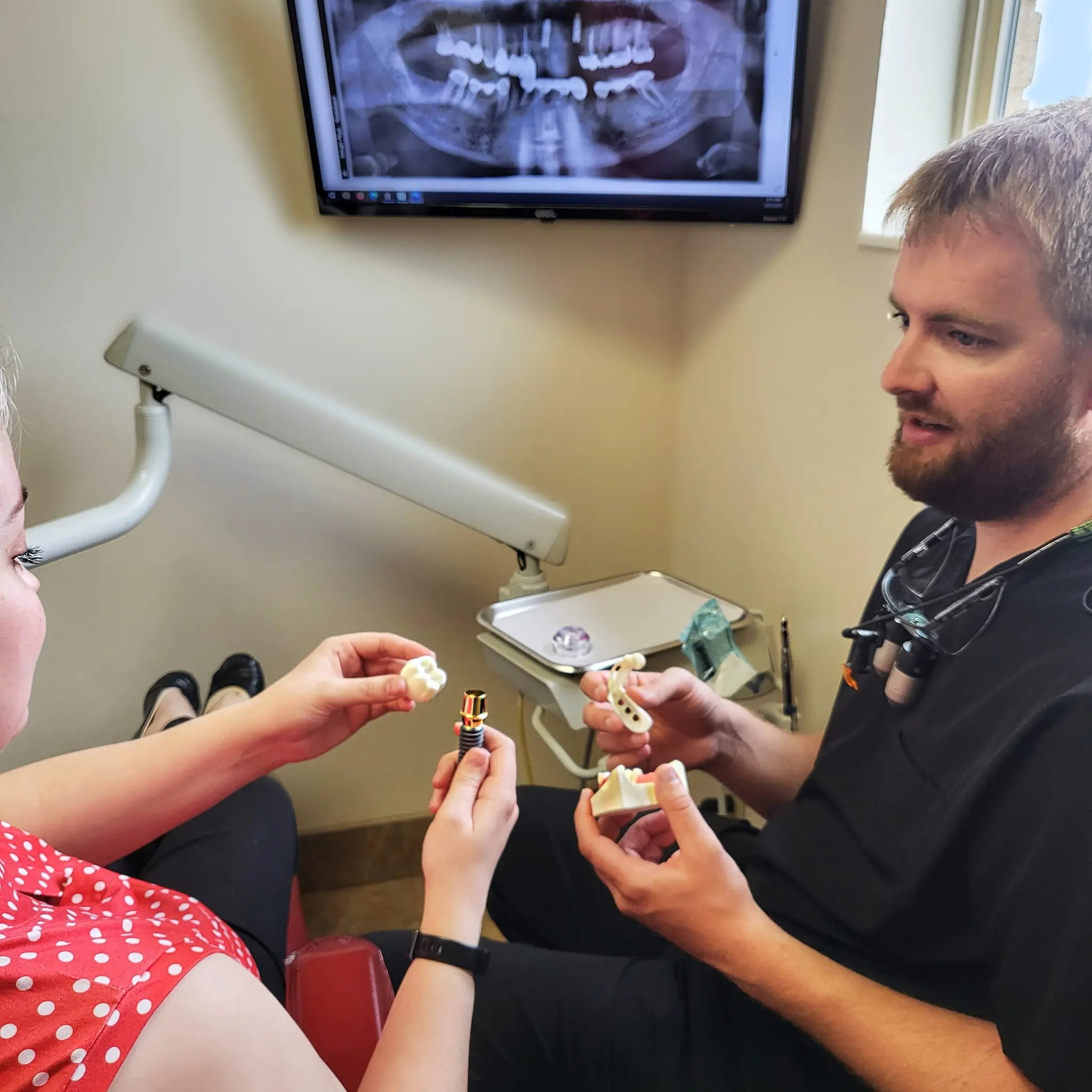
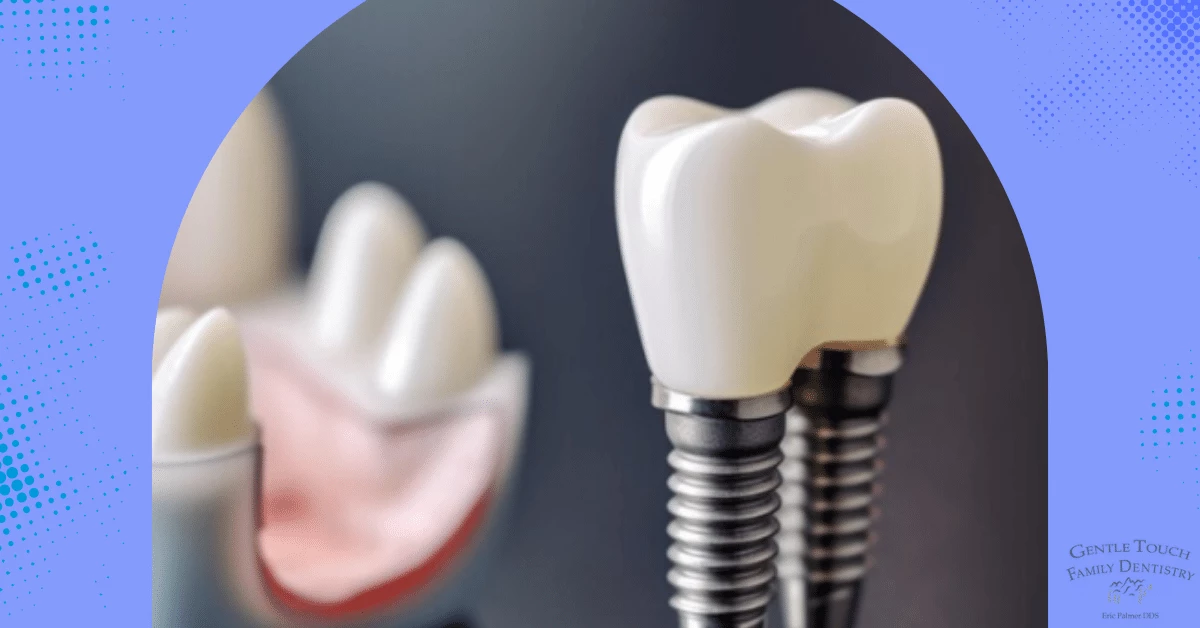
You may be a good candidate for dental implants if you have one or more missing teeth, healthy gums, enough jawbone support, and overall health that allows normal healing. Most dental implant candidates need a dental exam, X-rays or 3D imaging, and a review of their medical history before a dentist can confirm if implants are the right option.
Dental implants in Tooele, UT can help replace missing teeth with a stable, long-term solution that looks and functions more like natural teeth than removable options. The best next step is an evaluation to check your bone, gums, bite, health history, and treatment goals.
Who is not a good candidate for dental implants?
You may not be a good candidate for dental implants if you have active gum disease, severe bone loss, uncontrolled diabetes, heavy smoking habits, poor oral hygiene, or a medical condition that affects healing. This does not always mean implants are impossible, but it may mean treatment needs to be delayed or planned more carefully.
A dental implant needs healthy bone and gum tissue for support. If the jawbone is too thin or weak, the implant may not have enough stability.
Common concerns that can affect candidacy include:
- Untreated gum disease
- Active tooth infection
- Significant jawbone loss
- Heavy smoking or tobacco use
- Poor daily oral hygiene
- Uncontrolled diabetes
- Certain immune conditions
- Radiation therapy to the jaw
- Medications that affect bone healing
- Teeth grinding or clenching
- Unrealistic expectations
Mayo Clinic explains that implant surgery replaces tooth roots with metal posts and may be an option when dentures or bridgework fit poorly, but planning depends on oral health, bone condition, and overall medical factors.
What if you have bone loss?
Bone loss does not always rule out implants. Some patients may need bone grafting before implant placement.
This helps rebuild the area so the implant has better support.
What if you have gum disease?
Gum disease should be treated before implant surgery. Healthy gums help protect the implant and lower the risk of complications.
Many dental implant candidates need periodontal treatment first.
How long do dental implants last?
Dental implants can last for many years, and the implant post itself may last a lifetime with proper care. The crown, bridge, or denture attached to the implant may need replacement sooner because it handles daily chewing pressure.
For patients wondering can dental implants last a lifetime, the answer depends on factors such as oral hygiene, gum health, bone support, bite forces, smoking status, and regular dental care.
Cleveland Clinic notes that with proper care and maintenance, a dental implant can last a lifetime.
Several factors affect implant lifespan:
- Oral hygiene
- Gum health
- Bone support
- Bite alignment
- Smoking status
- Teeth grinding
- Regular dental checkups
- Overall health
- Implant location
- Quality of the restoration
A dental implant is not immune to problems. The implant cannot get a cavity, but the surrounding gums and bone still need care.
How to help implants last longer
Brush twice daily, floss or clean around the implant, and keep routine dental visits. Your dental team may recommend special tools to clean around implant restorations.
If you grind your teeth, a nightguard may help protect the implant crown and surrounding teeth.
When an implant needs attention
Call your dentist if an implant feels loose, painful, swollen, or difficult to clean. Bleeding around an implant should also be checked.
Early care can help prevent small problems from becoming serious.
Are dental implants painful to get?
Getting dental implants should not be painful during the procedure because the area is numbed. Most patients feel pressure during treatment and mild soreness, swelling, or tenderness afterward.
Pain levels vary based on the number of implants, whether bone grafting is needed, and how the body heals. Your dentist or oral surgeon will explain what to expect before treatment.
Common short-term symptoms may include:
- Gum soreness
- Mild swelling
- Minor bleeding
- Jaw tenderness
- Bruising
- Temporary difficulty chewing on that side
These symptoms usually improve as the area heals. Any severe, worsening, or persistent pain should be checked.
What happens during healing?
After the implant is placed, the bone needs time to bond with the implant surface. This process is called osseointegration.
During this time, you may need to eat softer foods and avoid putting heavy pressure on the area.
Is implant surgery harder than an extraction?
Some patients are surprised that implant placement can feel easier than a difficult extraction. The experience depends on your case.
A clear treatment plan helps you know what to expect before the appointment.
How much do dental implants typically cost?
The cost of dental implants depends on the number of teeth being replaced, the type of restoration, whether extractions are needed, and whether bone grafting or sinus lift treatment is required. A single implant can cost less than a full-arch implant restoration, but every case needs a custom estimate.
A full implant treatment may include:
- Consultation
- Dental imaging
- Tooth extraction, if needed
- Bone grafting, if needed
- Implant placement
- Abutment
- Crown, bridge, or denture
- Follow-up visits
- Maintenance care
Cost also depends on the materials used and the complexity of the case. Replacing one missing tooth is different from replacing several teeth or a full arch.
Why prices vary
A patient with strong bone and healthy gums may need a simpler treatment plan. A patient with bone loss, gum disease, or several missing teeth may need more steps.
This is why an exam is necessary before giving an accurate cost.
Does insurance cover implants?
Some dental insurance plans help with parts of implant treatment. Others may cover the crown but not the implant post.
You should ask your dental office to review your benefits before treatment begins.
If you are considering dental implants in Tooele UT, ask for a full breakdown of what is included so you understand the total treatment plan.
For patients comparing the higher upfront cost with comfort, function, durability, and future maintenance, understanding whether dental implants are worth it can help put the long-term value into perspective.
Can smokers get dental implants?
Smokers can sometimes get dental implants, but smoking can increase the risk of healing problems, infection, bone loss, and implant failure. Many dentists recommend quitting or reducing tobacco use before and after implant placement.
Smoking affects blood flow and slows healing. This matters because implants need healthy bone and gum tissue to integrate properly.
Smoking may increase the risk of:
- Delayed healing
- Gum inflammation
- Infection
- Bone loss around the implant
- Implant failure
- Poor long-term maintenance
Smokers are not automatically disqualified, but they need an honest discussion with the dentist. Some cases may require extra planning, improved home care, or a smoking cessation plan.
When should you stop smoking?
Your dentist will give specific instructions. Many providers recommend stopping before surgery and during the healing period.
The longer the tissue can heal without tobacco exposure, the better.
What about vaping?
Vaping may also affect oral tissues and healing. Tell your dentist about nicotine use, vaping, tobacco, or any related habits.
This helps your dental team judge risk accurately.
What is the success rate of dental implants?
Dental implants have a high success rate when they are properly planned, placed, and maintained. Many studies report success rates around 90% to 95% or higher, depending on the patient’s health, bone quality, location of the implant, and long-term care.
Cleveland Clinic describes dental implants as a durable tooth replacement option, while Mayo Clinic notes that implant surgery can provide artificial teeth that look and work much like real ones.
Implant success depends on:
- Healthy bone
- Healthy gums
- Good oral hygiene
- Proper surgical planning
- Controlled medical conditions
- No active infection
- Routine dental maintenance
- Avoiding tobacco
- Managing grinding or clenching
A successful implant is stable, comfortable, functional, and surrounded by healthy tissue.
Why implants fail
Implants can fail if they do not bond with the bone, if infection develops, or if too much force is placed on them. Poor oral hygiene and smoking can also increase risk.
Early follow-up care helps catch problems sooner.
How to improve your odds
Follow your dentist’s instructions closely. Keep the area clean, attend follow-up visits, and report pain or swelling quickly.
The best dental implant candidates are committed to long-term oral care.
Conclusion
If you’re missing teeth and looking for a long-term solution, dental implants might be the right choice for you. While not everyone is a dental implant candidate, the procedure offers numerous benefits for those who are eligible, including improved appearance, comfort, and functionality.
Find Out If Implants are Right for Your Smile
Dental implants may be a strong option if you are missing teeth, have healthy gums, and have enough jawbone to support treatment. If you have bone loss, gum disease, smoking habits, or medical concerns, you may still have options, but you need a detailed dental evaluation first.
At Gentle Touch Family Dentistry, we help patients understand whether they are good dental implant candidates and what steps may be needed before treatment. If you are looking for dental implants in Tooele, UT, we can walk you through your options, answer your questions, and help you choose a treatment plan that supports your long-term oral health.