Table of Contents
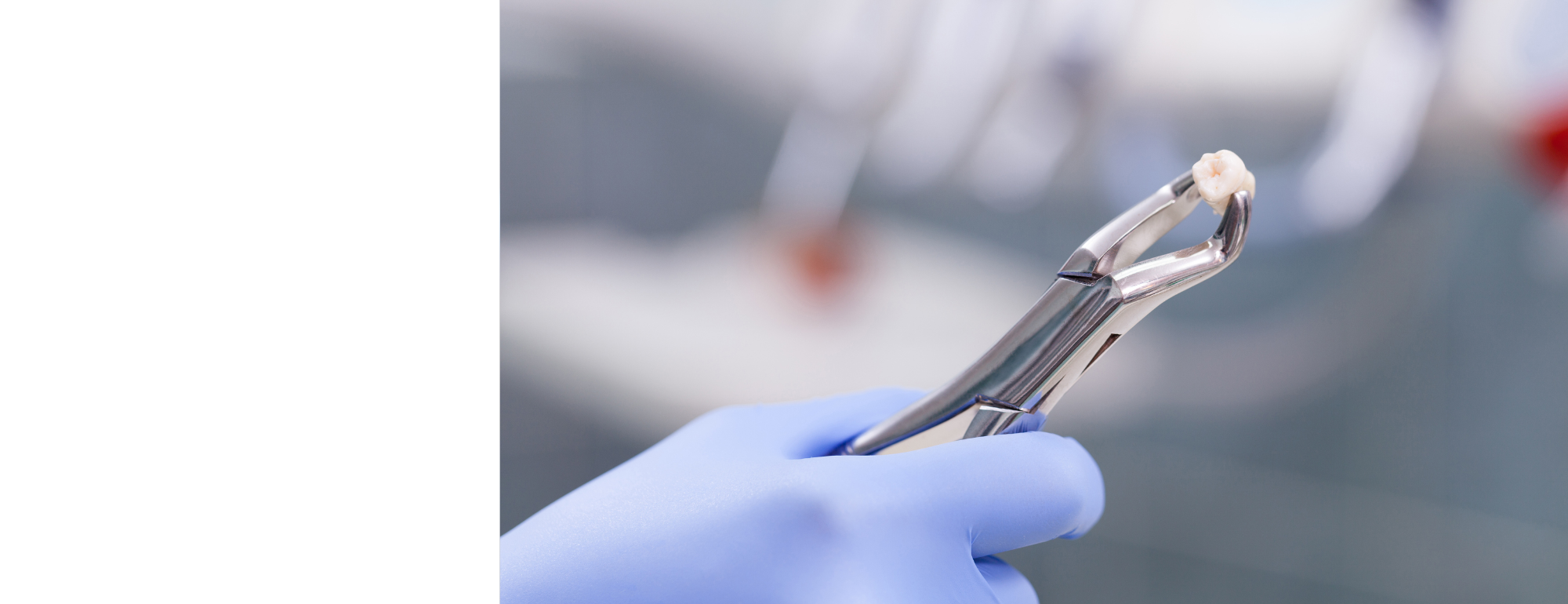
A tooth may need immediate extraction if there is severe infection, uncontrolled pain, advanced decay, swelling, trauma, or structural damage that cannot be repaired safely.
Delaying treatment can increase the risk of infection spread, worsening pain, bone loss, and complications affecting nearby teeth or overall health.
Many dental emergencies begin with symptoms patients initially ignore, including swelling, pressure, or persistent tooth sensitivity.
Understanding the common signs you need a tooth extraction helps patients recognize when prompt dental care becomes medically important.
Early evaluation improves the chances of preventing serious complications and preserving surrounding oral structures whenever possible.
What Symptoms Mean a Tooth Needs to Be Pulled Immediately?
Certain symptoms suggest that a damaged or infected tooth may require urgent removal.
Severe Swelling Around the Tooth or Jaw
Swelling often indicates active infection or significant inflammation. Facial swelling, gum enlargement, or jaw tenderness may signal that infection is spreading beyond the tooth itself.
Immediate dental evaluation is especially important when swelling:
- Increases rapidly
- Affects swallowing
- Causes facial asymmetry
- Extends into the neck area
These symptoms may require urgent tooth extraction or additional emergency treatment.
Persistent or Severe Pain
Pain that becomes constant, throbbing, or difficult to control may indicate advanced infection or nerve involvement.
Severe pain commonly occurs with:
- Deep tooth decay
- Dental abscesses
- Fractured teeth
- Advanced pulp damage
Pain that interferes with sleep or daily function should not be ignored.
Pus, Bad Taste, or Drainage
Drainage near the tooth may indicate abscess formation.
Signs include:
- Pus around the gums
- Bad breath
- Foul taste
- Gum boils or pimples
These symptoms often require urgent emergency dentistry intervention.
Loose Teeth Unrelated to Injury
Adult teeth should remain stable under normal conditions. Sudden looseness may result from:
- Severe infection
- Advanced gum disease
- Bone loss
- Trauma
Prompt evaluation helps determine whether the tooth can be saved or if emergency tooth extraction in Tooele, UT becomes necessary.
Can a Tooth Infection Become Dangerous If Untreated?
Yes. Untreated tooth infections can become serious and may spread beyond the mouth into surrounding tissues or other parts of the body.
Dental Abscesses May Spread
A tooth abscess forms when bacteria infect the inner tooth or surrounding tissues.
Without treatment, infection may spread to:
- Jawbone
- Soft tissues
- Sinuses
- Neck spaces
In rare cases, severe infections may affect breathing or systemic health.
Swelling and Fever Are Warning Signs
Fever combined with facial swelling often indicates significant infection activity.
Additional warning signs include:
- Fatigue
- Difficulty swallowing
- Swollen lymph nodes
- Increased facial pain
These symptoms require immediate dental attention.
Infection May Damage Nearby Teeth and Bone
Untreated infection can destroy:
- Supporting bone
- Adjacent tooth roots
- Gum tissues
This may complicate future dental treatment and increase tooth loss risk.
Recognizing the early signs you need a tooth extraction may help prevent more extensive oral damage.
Medical Conditions May Increase Risk
Patients with diabetes, immune disorders, or chronic health conditions may face higher infection risks.
Prompt management becomes especially important for medically vulnerable individuals.
Is Severe Tooth Pain Always a Sign You Need an Extraction?
No. Severe pain does not automatically mean a tooth requires removal.
Some Painful Teeth Can Still Be Saved
Many teeth causing significant pain may respond to:
- Root canal therapy
- Dental crowns
- Fillings
- Periodontal treatment
Pain severity alone does not determine whether extraction is necessary.
Dentists Evaluate Structural Damage
A dentist assesses whether enough healthy tooth structure remains for restoration.
Factors influencing treatment decisions include:
- Crack depth
- Decay severity
- Root condition
- Bone support
- Infection extent
The goal is often to preserve natural teeth whenever possible.
Nerve Inflammation Can Cause Intense Pain
Inflamed dental nerves may create severe sensitivity without requiring extraction.
Pain may worsen with:
- Hot foods
- Cold beverages
- Pressure
- Chewing
Proper diagnosis identifies whether conservative treatment remains possible.
Persistent Untreated Pain Should Not Be Ignored
Even if extraction is not immediately necessary, ongoing pain often signals underlying disease progression.
Delaying care may eventually increase the likelihood of needing tooth extraction later.
How Do Dentists Decide Between Extraction and Saving a Tooth?
Dentists consider several clinical factors before recommending removal.
Tooth Structure Is Evaluated Carefully
Teeth with extensive decay or fractures below the gumline may not support restoration successfully.
Dentists examine:
- Remaining enamel
- Root integrity
- Structural stability
- Restoration potential
Teeth with poor long-term prognosis may require extraction.
Gum and Bone Support Matter
Healthy bone and gum tissues are essential for tooth stability.
Advanced periodontal disease may weaken support structures significantly.
If bone loss becomes severe, saving the tooth may no longer be predictable.
Infection Severity Influences Treatment
Some infections respond well to root canal therapy and antibiotics. Others may cause extensive tissue destruction that limits treatment success.
Persistent infection around the root may increase the need for emergency tooth extraction in Tooele, UT.
Long-Term Function Is Considered
Dentists evaluate whether treatment will provide reliable long-term function and comfort.
Saving a severely compromised tooth may not always offer the best long-term outcome.
Clinical decisions focus on patient health, predictability, and oral stability.
What Happens If You Delay a Needed Tooth Extraction?
Delaying extraction may allow infection, pain, and structural damage to worsen.
Infection Can Spread Further
Untreated infected teeth may continue damaging surrounding tissues.
Potential complications include:
- Bone deterioration
- Gum infection
- Facial swelling
- Sinus involvement
The longer infection progresses, the more difficult treatment may become.
Pain Often Intensifies Over Time
Tooth pain rarely resolves permanently without addressing the underlying cause.
Symptoms may become:
- More frequent
- More severe
- Harder to control
Chronic inflammation may also affect chewing and sleep quality.
Adjacent Teeth May Become Affected
Damaged teeth can negatively influence neighboring teeth through:
- Bacterial spread
- Bite imbalance
- Increased plaque retention
Prompt treatment helps protect overall oral health.
Delayed Care May Increase Treatment Complexity
Simple extractions sometimes become surgical procedures when treatment is postponed too long.
Early intervention may reduce:
- Recovery time
- Infection severity
- Treatment costs
- Procedural complexity
Recognizing the early signs you need a tooth extraction can help patients avoid avoidable complications.
Can Antibiotics Replace the Need for Tooth Extraction?
Antibiotics may temporarily reduce infection symptoms, but they usually do not eliminate the underlying dental problem completely.
Antibiotics Do Not Repair Damaged Teeth
Antibiotics help control bacterial spread but cannot:
- Remove decay
- Repair fractures
- Restore dead pulp tissue
- Rebuild damaged structure
If the source of infection remains untreated, symptoms often return.
Temporary Relief Can Delay Treatment
Some patients mistake symptom improvement for permanent healing.
Pain reduction after antibiotics does not necessarily mean the tooth has recovered.
The infection source may remain active internally.
Dentists Often Combine Antibiotics With Treatment
Antibiotics may support treatment before:
- Root canal therapy
- Abscess drainage
- Surgical procedures
- Tooth extraction
Comprehensive treatment addresses both infection and structural damage.
Repeated Antibiotic Use Has Limitations
Frequent antibiotic use may contribute to:
- Antibiotic resistance
- Reduced effectiveness
- Recurring infections
Definitive dental care remains essential for long-term resolution.
How Urgent Is a Cracked or Broken Tooth?
Cracked or broken teeth vary in urgency depending on severity and symptoms.
Minor Chips May Not Require Extraction
Small enamel fractures can often be repaired using:
- Bonding
- Crowns
- Veneers
These cases usually do not require emergency removal.
Deep Cracks Can Threaten Tooth Survival
Cracks extending into the root or pulp increase the risk of:
- Infection
- Nerve damage
- Structural instability
Pain during biting or pressure may indicate deeper involvement.
Broken Teeth Expose Vulnerable Tissues
Large fractures may expose:
- Nerves
- Root surfaces
- Internal pulp tissue
This exposure increases infection risk and sensitivity.
Trauma-Related Injuries Require Prompt Evaluation
Teeth damaged during sports injuries, falls, or accidents should be examined quickly.
Early treatment may improve the chances of preserving the tooth before emergency tooth extraction in Tooele, UT becomes necessary.
Key Takeaways
Severe pain, swelling, infection, drainage, loose teeth, and major fractures are common signs requiring urgent dental evaluation.
Not all painful teeth need extraction, but delaying necessary treatment may worsen infection, bone loss, and structural damage.
Early diagnosis helps dentists determine whether a tooth can be saved or if extraction becomes the safest option.
Compassionate Dental Care for Urgent Tooth Problems
At Gentle Touch Family Dentistry, we help patients manage dental emergencies with prompt evaluation, clear treatment recommendations, and compassionate care focused on long-term oral health.
Our team carefully assesses infection severity, structural damage, and treatment options before recommending tooth extraction or restorative care.
Whether you are experiencing pain, swelling, or other signs you need a tooth extraction, we provide patient-focused support and reliable emergency tooth extraction in Tooele, UT when urgent dental treatment becomes necessary.