Table of Contents
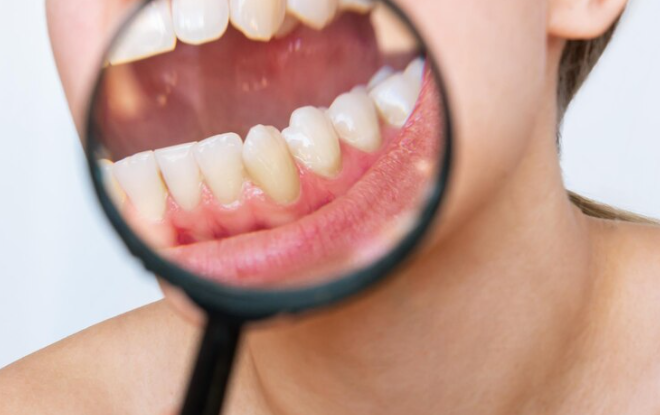
Tooth sensitivity is usually caused by exposed dentin, worn enamel, gum recession, cavities, cracked teeth, whitening products, or teeth grinding. A dentist can identify the causes of tooth sensitivity and recommend the right tooth sensitivity treatment based on whether the problem is mild, structural, or linked to decay or gum disease.
Sensitive teeth often feel like a short, sharp pain when you eat or drink something cold, hot, sweet, or acidic. If the pain keeps coming back, gets worse, or affects one specific tooth, it should be checked before the problem becomes harder to treat.
Why do my teeth hurt when I eat cold or hot food?
Your teeth may hurt with cold or hot foods because the inner layer of the tooth, called dentin, is exposed or irritated. Dentin has tiny tubules that connect to the tooth’s nerve, so temperature changes can trigger a quick, sharp feeling.
Common causes of tooth sensitivity include:
- Worn enamel
- Gum recession
- Cavities
- Cracked teeth
- Worn fillings
- Gum disease
- Teeth grinding
- Aggressive brushing
- Recent dental work
- Whitening products
- Acidic foods and drinks
The American Dental Association explains that sensitive teeth can be linked to tooth decay, cracked teeth, worn enamel, worn fillings, exposed roots, aggressive brushing, gum recession, and periodontal disease.
Why cold sensitivity happens
Cold sensitivity is common when enamel is thin or roots are exposed. It may also happen after dental cleanings, whitening, or new fillings.
Short-lived sensitivity may improve. Sharp pain in one tooth should be checked.
Why heat sensitivity matters
Heat sensitivity can sometimes suggest deeper nerve irritation. If a tooth aches after hot drinks or throbs without a trigger, it may need prompt dental care.
Hot and cold pain usually means the tooth nerve is being stimulated through worn enamel, exposed roots, decay, or a crack. A dentist can confirm whether you need simple care or a more specific tooth sensitivity treatment.
Can tooth sensitivity go away on its own?
Mild tooth sensitivity can improve on its own if it is caused by temporary irritation, recent dental work, or short-term whitening use. Sensitivity that lasts, worsens, or affects one tooth usually needs a dental exam.
Some sensitivity improves when you:
- Use a soft-bristled toothbrush
- Switch to sensitive toothpaste
- Avoid acidic drinks
- Stop brushing too hard
- Pause whitening products
- Improve flossing habits
- Wear a nightguard if you grind
Mayo Clinic recommends seeing a dentist if sensitive teeth bother you because a dentist can identify or rule out causes such as cavities, cracked teeth, worn fillings, or gum disease.
When sensitivity may be temporary
Temporary sensitivity can happen after a cleaning, filling, crown placement, or whitening treatment. This usually improves as the tooth settles.
If it does not improve, the bite, restoration, or nerve may need to be checked. In some cases, knowing when to replace dental fillings can be important if an older restoration is contributing to ongoing sensitivity.
When sensitivity will not fix itself
Sensitivity from a cavity, crack, failing filling, or gum disease will not usually resolve without treatment. The underlying problem can continue to progress.
Mild sensitivity may settle with better home care, but ongoing pain should not be ignored. If you need sensitive teeth treatment in Tooele, UT, an exam can help determine whether the cause is simple or more serious.
What treatments help sensitive teeth?
The best tooth sensitivity treatment depends on the cause. A dentist may recommend sensitive toothpaste, fluoride, bonding, fillings, gum treatment, a crown, a nightguard, or treatment for decay or infection.
Common treatments include:
- Desensitizing toothpaste
- Fluoride varnish or gel
- Prescription fluoride toothpaste
- Dental bonding for exposed roots
- Fillings for cavities
- Crown repair or replacement
- Gum disease treatment
- Gum grafting for severe recession
- Nightguard for grinding
- Root canal treatment if the nerve is damaged
Mayo Clinic lists desensitizing toothpaste, fluoride, bonding or desensitizing treatment, surgical gum grafting, and root canal treatment as possible options depending on the cause.
For mild sensitivity
Mild sensitivity often improves with a sensitive toothpaste and better brushing habits. Use a soft toothbrush and avoid scrubbing the gumline.
It may take several weeks of regular use before sensitive toothpaste works well.
For structural problems
If sensitivity comes from a cavity, crack, exposed root, or failing filling, home care will not be enough. The tooth needs direct treatment.
A dentist may restore the tooth, protect exposed areas, or treat gum disease if recession is part of the problem. With advances in restorative dentistry, modern cavity fillings can feel more like smile sculpting, helping restore both the tooth’s function and natural appearance.
Sensitive teeth can often be managed, but the right treatment depends on the cause. A dentist can match the treatment to the problem instead of guessing with over-the-counter products.
Is sensitivity a sign of a cavity or gum disease?
Yes, tooth sensitivity can be a sign of a cavity or gum disease, especially if the pain is localized, recurring, or getting worse. It can also be caused by enamel wear, gum recession, whitening, grinding, or a cracked tooth.
Sensitivity linked to a cavity may feel worse with:
- Sweets
- Cold drinks
- Hot drinks
- Biting pressure
- Food getting stuck
- Pain in one specific tooth
Sensitivity linked to gum disease may come with:
- Bleeding gums
- Gum recession
- Bad breath
- Loose teeth
- Tender gums
- Exposed tooth roots
- Pain near the gumline
Cleveland Clinic notes that severe sensitivity caused by gum recession, cavities, or cracked teeth may require dental treatment, and a dentist can determine what is causing the sensitivity.
Why cavities cause sensitivity
A cavity weakens enamel and allows irritation to move closer to the nerve. Early cavities may cause mild sensitivity, while deeper decay can cause stronger pain.
Do not wait for severe pain before getting checked.
Why gum disease causes sensitivity
Gum disease can cause gums to pull away from the teeth. This exposes root surfaces that are not protected by enamel.
Exposed roots are often more sensitive to cold, brushing, and sweet foods.
Sensitivity does not always mean a cavity or gum disease, but both are possible. A dental exam is the safest way to identify the real causes of tooth sensitivity.
What toothpaste is best for sensitive teeth?
The best toothpaste for sensitive teeth is usually a desensitizing toothpaste with ingredients designed to block sensation or support enamel protection. Many patients also benefit from fluoride toothpaste, especially if enamel wear or early decay risk is present.
Look for toothpaste made for sensitivity and approved for daily use. Use it consistently instead of switching brands every few days.
A sensitive toothpaste may help with:
- Cold sensitivity
- Sweet sensitivity
- Gumline sensitivity
- Mild enamel wear
- Exposed root surfaces
- Post-whitening sensitivity
The ADA’s MouthHealthy resource notes that desensitizing toothpaste can help block sensation from the tooth surface to the nerve and often requires several applications before sensitivity is reduced. It also lists fluoride gel as an in-office option that strengthens enamel and reduces transmission of sensations.
How to use sensitive toothpaste
Brush gently twice daily with a soft-bristled toothbrush. Do not rinse heavily right after brushing, since leaving some fluoride on the teeth may help.
Some dentists may suggest applying a small amount directly to the sensitive area before bed.
What to avoid
Avoid abrasive whitening toothpaste if your teeth are sensitive. Also avoid brushing hard, using a stiff toothbrush, or brushing immediately after acidic foods and drinks.
These habits can worsen enamel wear and gum recession. You can also learn more about preventing enamel erosion and protecting your teeth more effectively.
Sensitive toothpaste can help mild symptoms, but it needs consistent use. If toothpaste does not help after a few weeks, you may need professional tooth sensitivity treatment.
When should I see a dentist for sensitivity?
You should see a dentist for tooth sensitivity if pain lasts more than a few days, affects one tooth, gets worse, or happens with biting, swelling, bleeding gums, or visible tooth damage. You should also schedule a visit if sensitivity keeps returning after using sensitive toothpaste.
Do not ignore sensitivity that comes with:
- Sharp pain in one tooth
- Pain when biting
- Swelling near the gum
- Bleeding gums
- Bad taste or odor
- A cracked or chipped tooth
- A loose filling or crown
- Lingering pain after heat
- Sensitivity that wakes you up
- Pain that spreads to the jaw or ear
Johns Hopkins Medicine lists brushing too hard, cracked teeth, recent dental procedures, whitening products, gum recession, gum disease, acidic foods, plaque buildup, teeth grinding, and jaw-related conditions among possible causes of sensitive teeth.
Why early care matters
Early sensitivity can be easier to treat. A small cavity, exposed root, or bite problem is usually simpler to manage before it becomes severe.
Waiting can lead to more discomfort and more involved treatment.
What the dentist will check
A dentist may check for cavities, cracks, gum recession, worn enamel, failing restorations, bite pressure, grinding signs, and gum health.
X-rays may be needed if the problem is not visible during the exam.
See a dentist when sensitivity is persistent, localized, painful, or linked to other symptoms. Professional sensitive teeth treatment in Tooele, UT can help protect the tooth and stop the problem from getting worse.
Conclusion
Tooth sensitivity may seem like a small issue, but it can point to enamel wear, gum recession, decay, or other dental concerns that deserve attention. The good news is that once the cause is identified, the right care can make a big difference in your comfort and oral health. If sensitivity has become a regular problem, getting checked sooner can help prevent more pain and more complicated treatment later.
Feel Comfortable Eating, Drinking, and Smiling Again
Tooth sensitivity can come from worn enamel, exposed roots, cavities, gum disease, cracked teeth, whitening products, or grinding. The right tooth sensitivity treatment depends on identifying the cause, not just covering up the symptom.
At Gentle Touch Family Dentistry, we help patients understand the causes of tooth sensitivity and choose care that fits their teeth, gums, and comfort level. If you are looking for sensitive teeth treatment in Tooele, UT, we can evaluate the problem, explain your options, and help you get back to eating and drinking with more confidence.