Table of Contents
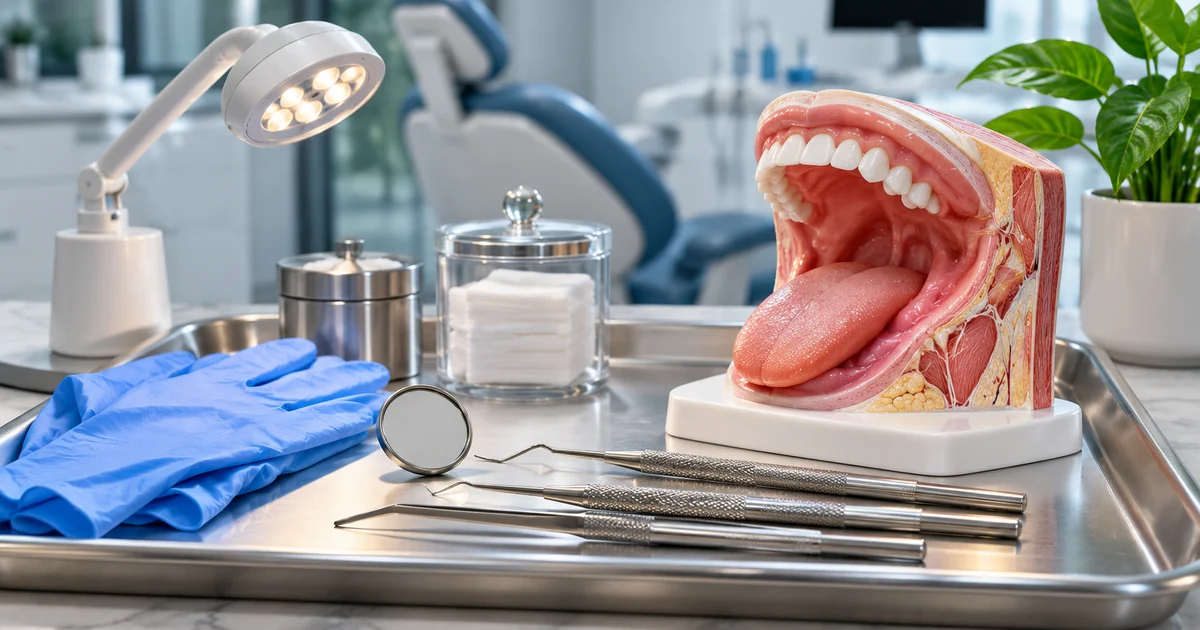
What happens during an oral cancer screening? Your dentist visually examines the inside of your mouth, lips, tongue, gums, and throat area for unusual changes. They may also gently feel your jaw, neck, and surrounding tissues for lumps or abnormalities. The process is generally quick, noninvasive, and painless. However, an oral cancer screening cannot diagnose cancer on its own. Suspicious findings may require further examination, a biopsy, or a specialist referral.
At Gentle Touch Family Dentistry in Tooele, UT, we include an evaluation of oral tissues as part of our comprehensive dental care. Understanding what the screening involves can help patients feel more comfortable and recognize why regular examinations remain important, even when there are no noticeable symptoms.
Quick Answer: What Is an Oral Cancer Screening?
An oral cancer screening is a clinical examination that looks for unusual changes in the mouth and surrounding tissues that may need further evaluation.
The purpose is to identify potentially concerning abnormalities, including changes that could be associated with oral cancer or conditions that may develop into cancer.
A screening is different from a diagnostic test.
The screening helps identify areas that need attention, but it does not confirm or rule out cancer.
During the examination, your dentist typically:
- Reviews relevant health history and symptoms.
- Looks at the lips, gums, tongue, cheeks, and other oral tissues.
- Checks for unusual patches, sores, lumps, or changes in tissue appearance.
- Gently feels certain areas inside and outside the mouth.
- Examines the jaw and neck for relevant abnormalities.
- Recommends follow-up evaluation when necessary.
Most patients do not need special preparation.
A screening may be completed as part of a routine dental appointment rather than requiring a separate visit.
The American Dental Association recommends that clinicians perform a visual and tactile examination of the mouth and surrounding areas in adult patients.
However, even a thorough examination cannot detect every cancer, particularly conditions that develop in areas that are difficult to see.
If something suspicious is found, additional testing may be necessary.
What Happens Before the Screening Begins?
Before examining your mouth, your dentist may review your medical history and ask about any symptoms or changes you have noticed.
This information helps identify concerns that deserve closer attention.
Reviewing Your Medical History
We may ask about existing medical conditions, medications, and previous oral health concerns.
A history of oral lesions, head and neck cancer, or relevant treatment may influence the evaluation.
Patients should mention any previous biopsy or specialist examination involving the mouth or throat.
Discussing Tobacco and Alcohol Use
Tobacco use and alcohol consumption are established risk factors for oral cancer.
Using both can increase risk substantially.
We may ask about smoking, smokeless tobacco, and alcohol use to better understand individual risk factors.
The purpose is to support appropriate healthcare decisions, not to judge personal habits.
Considering HPV-Related Risk
Certain types of human papillomavirus, particularly HPV-16, are associated with cancers of the oropharynx, which includes areas such as the tonsils and base of the tongue.
However, an ordinary visual oral examination cannot reliably detect all cancers in these less-visible areas.
Persistent throat symptoms or other concerning findings may require medical or specialist evaluation.
Asking About Symptoms
Your dentist may ask whether you have noticed:
- A mouth sore that does not heal.
- A persistent red or white patch.
- A lump or thickened area.
- Unexplained bleeding.
- Difficulty swallowing.
- Persistent hoarseness.
- Unexplained numbness or pain.
- A lump in the neck.
Many of these symptoms can have noncancerous causes.
However, persistent or unexplained changes should be evaluated rather than ignored.
Preparing for the Examination
You generally do not need to fast, change your medications, or follow a special routine before a standard visual and tactile screening.
If you have dentures or another removable oral appliance, your dentist may ask you to remove it temporarily to examine the underlying tissues.
We encourage patients to mention any concern, even if it seems minor.
What Areas of the Mouth Does the Dentist Check?
An oral cancer screening involves a systematic examination of the visible mouth and relevant surrounding structures.
Different areas may show different types of changes.
Lips
Your dentist examines the lips and the tissue around them for persistent sores, unusual patches, lumps, or other changes.
Areas exposed to sunlight may also develop abnormalities.
Inside of the Cheeks
The inner cheek tissues are checked for changes in color, texture, thickness, or surface appearance.
Some harmless irritation can occur from cheek biting or dental appliances.
However, persistent changes may need additional evaluation.
Gums
The gums are examined for unusual lesions, swelling, discoloration, or tissue changes.
Gum disease and other noncancerous conditions can also affect appearance.
The examination helps determine whether further assessment is appropriate.
Tongue
The dentist checks the visible surfaces of the tongue, including its sides and underside.
These areas deserve careful attention because certain oral lesions can develop there.
You may be asked to move your tongue so different surfaces can be seen.
Floor of the Mouth
The floor of the mouth is the soft tissue beneath the tongue.
Your dentist may ask you to lift your tongue to make this area easier to examine.
Roof of the Mouth
The hard and visible soft palate are checked for unusual changes.
Back of the Mouth
The dentist may inspect the visible portions of the throat and surrounding oral tissues as appropriate.
However, not every part of the throat can be adequately examined during a routine dental screening.
Jaw and Neck
The examination may also include gently feeling around the jaw and neck.
This helps identify certain lumps, enlarged lymph nodes, or other abnormalities requiring evaluation.
At Gentle Touch Family Dentistry, we explain the examination as needed so patients know what to expect.
What Does the Dentist Look and Feel For?
During an oral cancer screening, dentists look for visible changes and feel for certain abnormalities in the soft tissues.
The findings may be subtle.
However, an unusual area is not automatically cancerous.
Persistent Mouth Sores
Some mouth sores result from accidental biting, irritation, or common noncancerous conditions.
However, an unexplained sore that does not heal within approximately two weeks should be evaluated.
A suspicious lesion may warrant more immediate specialist assessment rather than waiting to see whether it disappears.
Red or White Patches
Your dentist may look for persistent areas that appear unusually red, white, or mixed in color.
These changes have many possible explanations.
Some may be related to irritation or infection, while others require further investigation.
Lumps or Thickened Tissue
A lump, firm area, or unexplained thickening may prompt closer examination.
The dentist may gently feel the area to assess its size, consistency, and tenderness.
Unexplained Bleeding
Bleeding may result from gum inflammation, irritation, trauma, or other causes.
Persistent unexplained bleeding deserves professional attention.
Changes in Tissue Texture
Oral tissues normally have different textures.
Your dentist looks for unusual changes such as rough areas, irregular surfaces, or persistent tissue thickening.
Enlarged Lymph Nodes
Lymph nodes in the neck may become enlarged for several reasons, including common infections.
However, persistent or unexplained enlargement may require medical evaluation.
Changes That Are Not Painful
Some potentially concerning oral lesions do not cause pain.
This is one reason patients should not rely on discomfort alone to determine whether a change is important.
A screening provides an opportunity to identify certain abnormalities before they produce noticeable symptoms.
How Long Does an Oral Cancer Screening Take?
A routine visual and tactile oral cancer screening generally takes only a few minutes.
The exact time depends on the patient’s health history, symptoms, and whether the dentist identifies anything that requires closer examination.
Screening During a Dental Appointment
For many patients, the assessment is incorporated into a regular dental examination.
It does not necessarily require a separate appointment.
What May Extend the Examination?
Additional time may be needed when a patient reports a persistent sore, unusual swelling, previous abnormal findings, or other concerns.
The dentist may ask more detailed questions or examine a particular area more closely.
Is Special Equipment Necessary?
A conventional clinical examination generally involves adequate lighting, visual inspection, and gentle palpation.
The American Dental Association’s 2026 guidance supports these clinical examinations as a central part of early oral cancer detection.
Special light-based screening devices are not routinely recommended as substitutes for a clinical examination or indicated biopsy.
What If Something Needs Further Review?
The screening itself may be brief, but follow-up care can require another appointment or specialist referral.
The next steps depend on the specific finding.
The purpose is not to rush the examination but to evaluate the relevant tissues carefully.
Does an Oral Cancer Screening Hurt?
An oral cancer screening is generally painless.
The dentist examines visible tissues and may gently feel different areas of the mouth, jaw, and neck.
There are usually no injections, incisions, or other invasive procedures involved in a standard screening.
What Does the Visual Examination Feel Like?
Your dentist may ask you to open your mouth, move your tongue, or lift it slightly.
These movements allow different tissues to be inspected.
You may feel gentle pressure from a dental mirror or gloved fingers.
What Does the Physical Examination Feel Like?
The dentist may gently press certain areas of the mouth or neck to check for lumps or changes.
Most patients experience little or no discomfort.
However, an area that is already inflamed or tender may feel sensitive when touched.
What If You Have a Sensitive Area?
Tell us if a particular location hurts.
We can adjust the examination as appropriate and consider whether additional evaluation is necessary.
Does the Screening Involve a Biopsy?
No. A routine screening does not normally involve removing tissue.
A biopsy is a separate diagnostic procedure that may be recommended when a lesion requires further evaluation.
The biopsy process, anesthesia, and recovery depend on the location and type of tissue sampling performed.
Can Nervous Patients Ask Questions?
Absolutely.
We encourage patients to ask about any part of the process.
Understanding what is being examined can make the appointment feel more comfortable and predictable.
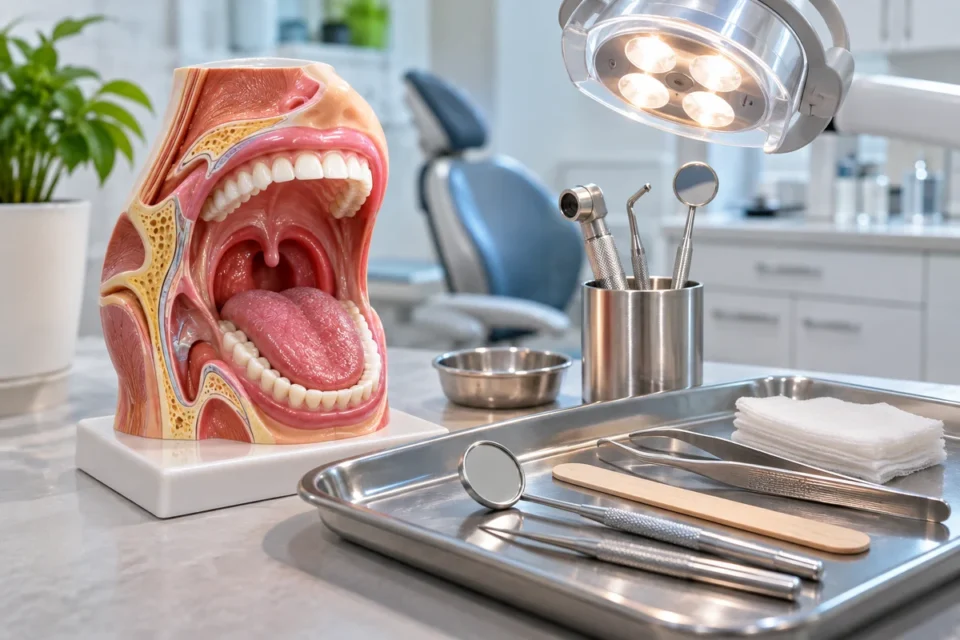
What Happens If Something Unusual Is Found?
Finding an abnormal area during an oral cancer screening does not mean a patient has cancer.
Many oral changes are caused by irritation, infection, inflammation, or other noncancerous conditions.
However, suspicious findings should not be dismissed without appropriate evaluation.
Discussing the Finding
We explain what was observed and why further assessment may be appropriate.
The location, appearance, duration, and associated symptoms can influence the recommendation.
Reviewing Possible Causes
A recent injury, dental appliance, sharp tooth edge, or other source of irritation may explain certain changes.
However, identifying a possible source of irritation does not automatically exclude a more serious condition.
Monitoring Selected Changes
Some findings that appear consistent with a minor, reversible cause may be reassessed after an appropriate short interval.
Patients should follow the recommended timeline rather than indefinitely waiting for the change to resolve.
Referral for Suspicious Lesions
When a lesion appears suspicious for a potentially malignant disorder or oral cancer, prompt referral or biopsy may be necessary.
The American Dental Association recommends immediate biopsy or specialist referral for suspicious lesions.
Such cases should not be delayed merely to try additional screening devices.
What Is a Biopsy?
A biopsy involves collecting a tissue sample for microscopic examination.
It can help determine whether the tissue is benign, precancerous, cancerous, or affected by another condition.
A biopsy is the diagnostic standard for confirming oral cancer and certain potentially malignant disorders.
Does Every Abnormality Need a Biopsy?
No.
The appropriate next step depends on the clinical findings.
However, a suspicious or persistent lesion should receive timely evaluation by the appropriate professional.
What If the Screening Is Normal?
A normal examination means no concerning abnormality was identified during that visit.
It does not guarantee that oral cancer is absent or that no problem can develop later.
Patients should continue to report persistent mouth or throat changes between dental appointments.
Who May Need More Frequent Screening?
All adults benefit from appropriate clinical oral examinations as part of routine dental care.
However, certain individuals may require closer monitoring or more frequent evaluation based on their medical history and risk factors.
There is no single screening interval that is appropriate for every person.
People Who Use Tobacco
Cigarettes, cigars, smokeless tobacco, and other tobacco products can increase oral cancer risk.
Patients who use tobacco should discuss their exposure and oral health concerns with their dentist.
People With Significant Alcohol Exposure
Heavy alcohol consumption is associated with increased oral cancer risk.
Combining tobacco and substantial alcohol use can further increase risk.
Patients With Previous Oral Cancer
Individuals previously treated for oral cancer may require structured follow-up with their treating specialists.
The schedule depends on the diagnosis, treatment, and medical recommendations.
Patients With Previous Abnormal Lesions
A history of certain potentially malignant oral disorders may require more frequent monitoring or specialist care.
Patients With Persistent Symptoms
A person experiencing an unexplained mouth ulcer, lump, persistent hoarseness, difficulty swallowing, or another concerning symptom should not wait until their next routine dental appointment.
Individuals With Relevant HPV-Related Concerns
High-risk HPV infection is associated with some oropharyngeal cancers.
However, routine dental visual examinations cannot reliably screen for every HPV-related cancer in deeper throat structures.
A clinician may recommend additional medical evaluation when symptoms or other concerns warrant it.
How Is the Schedule Determined?
At Gentle Touch Family Dentistry, we consider health history, clinical findings, and relevant risk factors when discussing examination frequency.
Some patients may need specialist follow-up in addition to ordinary dental visits.
More frequent screening is not automatically necessary or beneficial for every patient.
Why Routine Dental Checkups Matter for Early Detection
Regular dental appointments provide opportunities to examine the mouth and recognize changes that patients may not notice themselves.
Although brushing and flossing are essential, home care cannot replace professional assessment of oral tissues.
Many Changes Are Easy to Overlook
The sides and underside of the tongue, floor of the mouth, and other areas can be difficult to inspect at home.
A dental examination includes areas patients may not routinely see.
Some Lesions Do Not Cause Pain
Certain potentially concerning changes may develop without obvious discomfort.
Patients may not realize that an area requires evaluation.
Repeated Examinations Provide Context
Routine appointments allow dentists to compare current findings with previous observations.
This may help identify a lesion that has changed in appearance or persisted over time.
Dental Care Can Support Timely Referrals
Dentists cannot diagnose every oral condition during a routine appointment.
However, they can recognize when a finding requires further evaluation and help direct patients toward appropriate care.
Preventive Visits Address More Than Cancer
A dental checkup may also identify tooth decay, gum inflammation, damaged restorations, or other oral health problems.
These are separate concerns from oral cancer screening but contribute to comprehensive dental care.
Early Detection Has Limits
Routine examinations can help identify clinically visible abnormalities, but they cannot guarantee early detection of every oral cancer.
Some conditions develop rapidly or occur in areas not fully accessible during a dental examination.
That is why patients should seek professional evaluation for new or persistent symptoms, even if a recent checkup was normal.
Patients who want to understand the wider examination process can visit our Oral Exam page.
Our Dental Checkup page also explains the role of routine appointments in maintaining oral health.
Oral Cancer Screening in Tooele
Understanding what happens during an oral cancer screening can make the examination feel less intimidating.
For most patients, the process involves a straightforward visual and physical assessment of the mouth and surrounding tissues.
At Gentle Touch Family Dentistry, we provide dental examinations for individuals and families in Tooele, UT, and nearby communities.
We recognize that patients may have questions about mouth sores, unusual patches, lumps, or changes they have noticed.
Our team takes these concerns seriously while avoiding unnecessary alarm.
A Patient-Focused Examination
During your dental visit, we review relevant health information and examine your oral tissues for visible or palpable changes.
We explain findings and discuss whether additional evaluation is appropriate.
Understanding the Results
A normal examination is reassuring but cannot rule out every oral or throat condition.
If we identify an area that requires closer attention, we discuss the recommended next steps.
Coordinating Additional Care
Some findings may require referral to an oral surgeon, oral medicine specialist, or another appropriate healthcare professional.
A suspicious lesion may require biopsy for a definitive diagnosis.
Addressing Your Questions
We encourage patients to report persistent sores, unexplained bleeding, unusual tissue changes, or other symptoms.
You do not need to know whether a symptom is serious before asking for an evaluation.
Care Beyond the Screening
Our dental services also include routine examinations, preventive care, and treatment for common oral health concerns.
We believe patients deserve clear explanations and recommendations based on their actual clinical needs.
For more information about visiting our practice, explore our Tooele dental office.
The purpose of screening is not to create fear. It is to identify potentially important findings and help patients obtain appropriate care when needed.
FAQs About Oral Cancer Screenings
Is an oral cancer screening painful?
No. A standard screening is generally painless and involves looking at oral tissues and gently feeling areas of the mouth, jaw, and neck. Existing sore areas may be slightly tender.
How long does an oral cancer screening take?
The visual and physical assessment usually takes only a few minutes. Additional time may be needed if a patient reports symptoms or the dentist identifies an area requiring closer examination.
Can a dentist diagnose oral cancer during a screening?
No. A screening identifies abnormalities that may require further evaluation. A biopsy is generally needed to confirm oral cancer.
What are the early warning signs of oral cancer?
Possible warning signs include a persistent mouth sore, red or white patches, unexplained lumps, bleeding, numbness, or difficulty swallowing. These symptoms can have other causes but should be evaluated if persistent or concerning.
How often should I have an oral cancer screening?
Clinical oral examinations are recommended for adults as part of regular dental care. The appropriate frequency depends on your health history, risk factors, and dentist’s recommendations.
What happens if my dentist finds a suspicious spot?
Your dentist will explain the finding and may recommend prompt specialist referral or biopsy. A suspicious spot does not automatically mean cancer, but timely evaluation is important.
Understand Your Oral Health With Gentle Touch Family Dentistry
Oral cancer screenings are generally simple, quick, and comfortable. They provide an opportunity to identify unusual changes in the mouth that may otherwise go unnoticed.
However, screening is only the first step.
A normal examination cannot guarantee that every condition has been ruled out, and a suspicious finding does not automatically mean cancer is present.
At Gentle Touch Family Dentistry, we help patients throughout Tooele, UT, understand their oral health through comprehensive dental examinations and clear, personalized recommendations.
During your visit, we can examine your oral tissues, discuss any symptoms you have noticed, and explain whether monitoring, additional testing, or a specialist referral may be appropriate.
We believe patients should feel informed rather than alarmed when discussing potentially concerning changes.
Whether you are scheduling a routine dental appointment or have noticed a persistent sore, lump, or unusual patch, our team is here to address your concerns.
If you have been wondering what happens during an oral cancer screening, you can expect a straightforward examination focused on identifying changes that deserve attention.
Schedule your dental examination with Gentle Touch Family Dentistry in Tooele, UT. Call (435) 882-3700 or visit our office at 271 S Main St, Tooele, UT 84074.
Let us help you stay informed about your oral health and take appropriate steps when something requires further evaluation.