Table of Contents
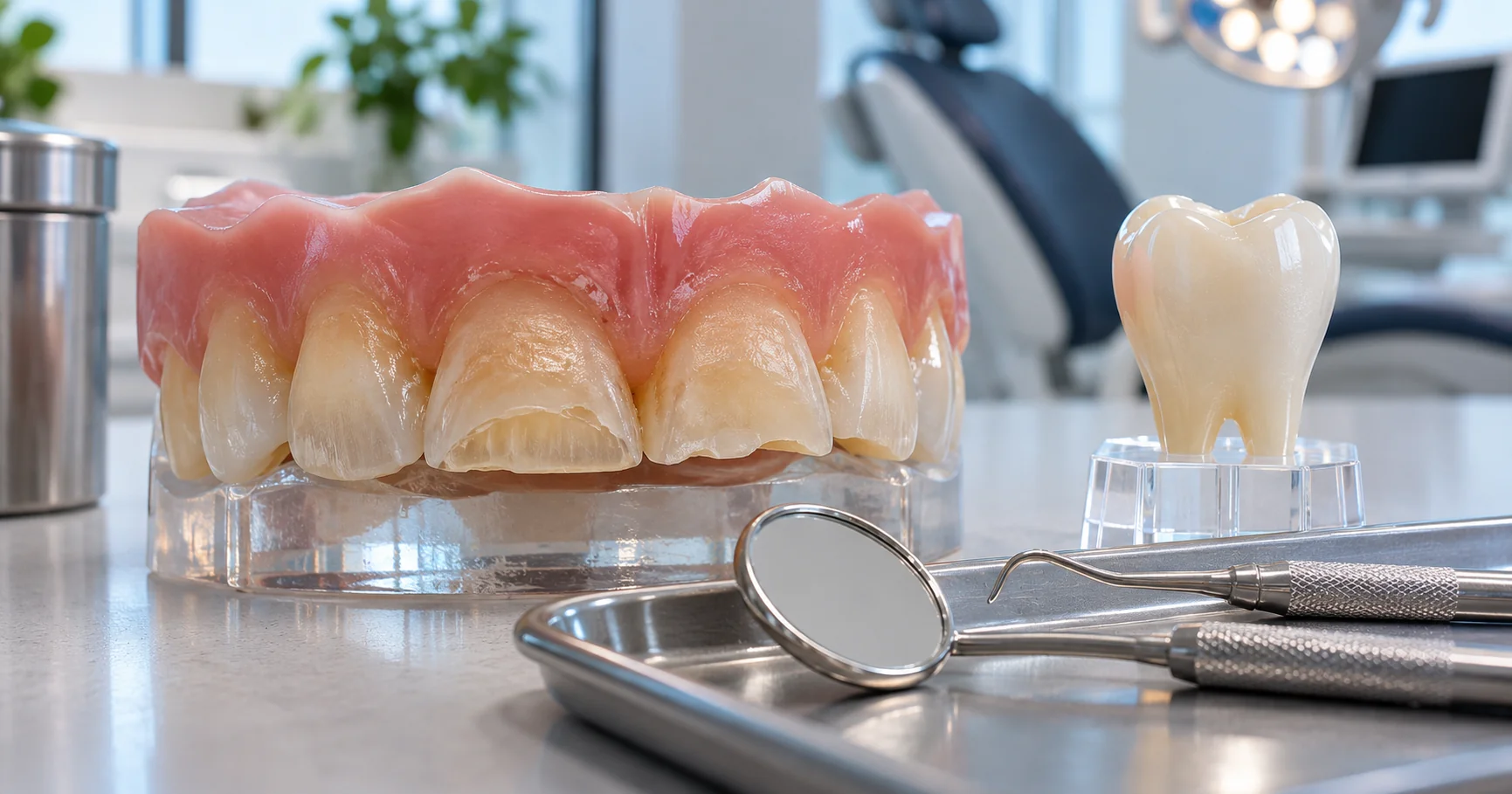
Why are my teeth wearing down? Common causes include teeth grinding, jaw clenching, acid erosion, abrasive habits, and uneven pressure during biting or chewing. Some enamel wear develops gradually with age, but excessive wear can weaken teeth, cause sensitivity, and increase the risk of chips or cracks. Identifying the underlying cause is essential because different types of tooth wear require different treatments.
At Gentle Touch Family Dentistry in Tooele, UT, we help patients understand why their teeth may be changing shape, becoming sensitive, or appearing shorter than before. Our approach focuses on identifying the source of wear, protecting the remaining tooth structure, and recommending appropriate treatment based on each patient’s dental health.
Quick Answer: Why Do Teeth Wear Down?
Teeth wear down when their protective enamel and underlying tooth structure are gradually lost through repeated physical contact, chemical exposure, or a combination of these factors.
Some wear is expected over a lifetime. However, noticeable flattening, chipping, shortening, or increasing sensitivity may indicate that the teeth are experiencing excessive stress.
The most common causes include:
- Teeth grinding: Repeated rubbing of the upper and lower teeth can wear down chewing surfaces.
- Jaw clenching: Excessive pressure can contribute to cracks and damage, particularly when combined with grinding.
- Acid erosion: Frequent exposure to acids can gradually dissolve enamel.
- Uneven biting forces: Certain teeth may experience concentrated pressure during chewing or grinding.
- Abrasive habits: Aggressive brushing or repeated contact with hard objects can contribute to tooth surface loss.
- Dry mouth: Reduced saliva can make teeth more vulnerable to acid-related damage.
Some patients experience more than one cause simultaneously.
For example, frequent exposure to acidic beverages may soften enamel, while nighttime grinding contributes to further tooth structure loss.
Because the causes can overlap, identifying the type and pattern of wear is important before deciding on treatment.
What Are the Most Common Causes of Tooth Wear?
Dentists generally classify tooth wear according to the processes affecting the teeth.
These processes may occur independently or together.
Attrition: Tooth-to-Tooth Contact
Attrition occurs when teeth wear against one another.
It commonly affects biting edges and chewing surfaces.
A patient who grinds their teeth may develop flattened areas where opposing teeth repeatedly contact.
Over time, the teeth may appear shorter or lose their original shape.
Erosion: Chemical Loss of Enamel
Erosion occurs when acids dissolve dental hard tissue.
Unlike tooth decay, erosive tooth wear is caused by acids that do not originate from plaque bacteria.
Frequent exposure to acidic drinks, certain foods, or stomach acid can contribute to this process.
Erosion may make teeth appear smoother, thinner, or more translucent.
Abrasion: Wear From External Friction
Abrasion involves mechanical wear from objects or habits other than tooth-to-tooth contact.
Examples include aggressive brushing or repeatedly holding hard objects between the teeth.
A dentist may notice notches near the gumline or other localized wear patterns.
However, these patterns can have multiple causes and should not be attributed to brushing without an examination.
Combined Tooth Wear
Many patients experience several processes at once.
Acid exposure may weaken the tooth surface, while grinding or abrasive habits accelerate the loss of structure.
This is why simply repairing a worn tooth without addressing its cause may not provide a lasting solution.
At Gentle Touch Family Dentistry, we consider the appearance, location, and pattern of wear when evaluating potential contributing factors.
How Do Teeth Grinding and Clenching Wear Down Teeth?
Teeth grinding, also called bruxism, is a common contributor to excessive tooth wear.
Bruxism can occur while someone is sleeping or awake.
Some patients are unaware that they grind or clench until their dentist notices changes in their teeth.
Nighttime Teeth Grinding
Sleep bruxism involves jaw muscle activity that may include grinding or clenching during sleep.
Repeated tooth contact can gradually flatten biting surfaces or damage existing dental restorations.
Patients may wake up with jaw soreness or headaches.
However, not everyone who grinds their teeth experiences noticeable symptoms.
Daytime Clenching
Awake bruxism may involve holding the teeth together forcefully during concentration, stress, or other activities.
Clenching does not necessarily create the same tooth-to-tooth friction as grinding.
However, excessive pressure can contribute to stress on teeth and restorations.
Signs of Grinding or Clenching
Possible symptoms include:
- Flattened or unusually smooth tooth surfaces.
- Chipped biting edges.
- Jaw tightness or soreness.
- Morning headaches.
- Sensitive teeth.
- Cracked or damaged restorations.
- Reports of grinding sounds during sleep.
These signs can have other explanations, so a dental examination is necessary.
What Causes Bruxism?
Bruxism can be associated with several factors, including stress, sleep-related conditions, certain medications, and other individual circumstances.
An uneven bite may coexist with grinding, but it should not automatically be assumed to be the cause.
How Can Teeth Be Protected?
A dentist may recommend a custom oral appliance to help protect teeth from grinding-related damage.
Treatment may also involve discussing symptoms, habits, and relevant medical concerns.
A night guard can protect tooth surfaces, but it does not necessarily eliminate the underlying grinding behavior.
Can Acid Erosion Damage Tooth Enamel?
Yes. Acid erosion can gradually dissolve tooth enamel and contribute to permanent loss of dental hard tissue.
Enamel is the protective outer layer of the tooth.
Although early mineral changes may be managed with preventive care, enamel structure that has been physically lost does not naturally grow back.
Acidic Foods and Drinks
Frequent exposure to acidic beverages can increase the risk of erosion.
Examples include:
- Soda and other carbonated drinks.
- Sports and energy drinks.
- Citrus juices.
- Certain flavored beverages.
- Sour candies and acidic snacks.
The frequency and duration of exposure are especially important.
Sipping an acidic drink repeatedly throughout the day may expose teeth to acid for longer than consuming it during one meal.
Acid Reflux
Stomach acid can reach the mouth in people experiencing gastroesophageal reflux or repeated regurgitation.
This may contribute to enamel erosion, sometimes affecting surfaces that are difficult for patients to see.
When reflux is suspected, dental care may need to be coordinated with a medical professional.
Repeated Vomiting
Repeated vomiting can expose teeth to strong stomach acids.
This may occur in connection with certain medical conditions, pregnancy-related illness, or eating disorders.
Patients experiencing these concerns deserve appropriate medical and dental support.
Dry Mouth
Saliva helps protect teeth by diluting and neutralizing acids.
Reduced saliva flow can increase vulnerability to erosive damage.
Dry mouth may be associated with medications, health conditions, or other factors.
How to Reduce Acid-Related Wear
Patients may benefit from practical adjustments such as drinking water after acidic foods or beverages and reducing frequent acid exposure.
It is generally advisable to avoid brushing immediately after vomiting or strong acid exposure.
Fluoride-containing products and other preventive treatments may help protect remaining tooth structure.
However, existing enamel loss cannot simply be reversed with toothpaste.
How Does an Uneven Bite Contribute to Tooth Wear?
An uneven bite can affect how pressure is distributed when the teeth meet.
Some teeth may experience greater contact than others.
However, an uneven bite does not automatically cause excessive wear, and not every patient with worn teeth needs bite correction.
Concentrated Pressure
When certain teeth experience repeated heavy contact, they may show localized signs of wear or damage.
The dentist may examine whether the wear pattern corresponds with the patient’s bite.
Missing or Shifted Teeth
Changes in tooth position may affect how the remaining teeth contact.
However, the relationship between tooth alignment and wear varies among patients.
Existing Dental Restorations
A filling, crown, or other restoration that interferes with comfortable biting may require evaluation.
Patients who notice a new uneven contact after dental treatment should mention it to their dentist.
Grinding and Bite Problems Are Different
Some people assume that correcting tooth alignment will automatically stop nighttime grinding.
However, sleep bruxism has multiple possible contributing factors.
Bite adjustment or orthodontic treatment should not be presented as a guaranteed cure.
When Bite Evaluation Is Helpful
A dentist may examine how the teeth meet when a patient reports:
- One tooth contacting before the others.
- Discomfort while chewing.
- Repeated damage to a particular tooth.
- An uncomfortable bite after restoration.
- Localized tooth wear.
Treatment should be based on a clear diagnosis rather than adjusting healthy teeth unnecessarily.
What Are the Signs Your Teeth Are Wearing Down?
Tooth wear often develops slowly.
Patients may not notice changes until the teeth appear shorter, become sensitive, or develop visible damage.
Regular dental examinations can help identify subtle changes before substantial tooth structure is lost.
Shorter-Looking Teeth
The front teeth may appear shorter than they once did.
The biting edges may become flattened or uneven.
Flattened Chewing Surfaces
Molars and premolars naturally have raised areas that help with chewing.
Excessive wear can gradually flatten those surfaces.
Increased Tooth Sensitivity
Patients may notice discomfort when drinking cold beverages, eating sweets, or brushing.
Sensitivity can develop when enamel becomes thin or the underlying dentin is exposed.
Yellowing or Translucent Edges
Thinning enamel may allow more of the yellowish dentin beneath it to show through.
Front teeth may also develop increasingly translucent edges.
However, color changes have several possible causes.
Small Chips or Rough Edges
Worn teeth may be more vulnerable to chipping.
Patients may notice a rough edge with their tongue.
Changes in Tooth Shape
Some teeth develop rounded, flattened, or scooped-out areas.
These patterns can help a dentist distinguish possible erosion from mechanical wear.
Jaw Discomfort
Patients who grind or clench may experience jaw soreness or headaches.
However, jaw symptoms do not always indicate tooth wear.
Repeated Dental Restoration Problems
Fillings or crowns that repeatedly chip or fracture may suggest excessive bite forces or other issues requiring evaluation.
Patients should schedule an examination if they notice several of these changes or believe their tooth wear is progressing.
Can Worn Teeth Cause Sensitivity or Cracks?
Yes. Excessive tooth wear can contribute to sensitivity and may occur alongside chips, cracks, or other structural problems.
However, not every worn tooth becomes painful.
Some patients have significant wear without obvious symptoms.
Why Worn Teeth Become Sensitive
Enamel protects the underlying dentin.
When enamel becomes thin or disappears in certain areas, exposed dentin may react to temperature changes or other stimuli.
Patients may experience discomfort when consuming cold or hot foods and drinks.
Sensitivity can also result from cavities, gum recession, cracks, or other conditions.
A dental examination helps identify the source.
Can Grinding Cause Cracks?
Repeated heavy forces can contribute to damage in susceptible teeth.
Patients who clench or grind may experience chipped enamel, fractured restorations, or cracked teeth.
However, cracks can also occur from injury, biting hard objects, or other causes.
Signs That Need Prompt Attention
Patients should contact their dentist if they experience:
- Sharp pain when biting.
- Persistent sensitivity.
- A visible crack.
- A broken tooth.
- Swelling around a tooth.
- Pain that continues after hot or cold exposure.
Sudden severe pain, facial swelling, or signs of infection require prompt professional attention.
Why Early Evaluation Matters
A minor worn area may need only monitoring and preventive care.
A tooth with significant structural damage may require restoration.
Addressing the underlying cause can also help reduce the risk of further problems.
How Do Dentists Diagnose Tooth Wear?
Diagnosing tooth wear involves more than looking for flattened teeth.
A dentist must determine which structures are affected, how much tooth material has been lost, and what factors may be contributing to the problem.
At Gentle Touch Family Dentistry, we begin with a dental examination and a discussion of the patient’s symptoms and concerns.
Reviewing Dental and Medical History
We may ask when the changes first became noticeable.
Relevant questions can involve:
- Grinding or clenching habits.
- Jaw pain or headaches.
- Acidic food and drink consumption.
- Acid reflux or frequent heartburn.
- Dry mouth symptoms.
- Current medications.
- Previous dental treatment.
- Changes in biting or chewing.
Patients do not need to know the cause before scheduling an appointment.
The purpose of the evaluation is to help identify it.
Examining Wear Patterns
We assess the shape and condition of the teeth.
Flattened biting surfaces may suggest tooth-to-tooth wear.
Smooth, rounded, or cupped areas may suggest erosion.
Notches near the gumline may involve several contributing factors.
These observations guide the examination but do not always establish a cause by themselves.
Evaluating the Bite
We may assess how the upper and lower teeth contact and whether any areas show signs of excessive force.
We also consider existing restorations and any reported chewing discomfort.
Checking for Cracks and Decay
Worn teeth may have other dental concerns.
We examine for cracks, cavities, damaged restorations, and areas of exposed dentin.
Dental X-rays may be recommended when needed to evaluate tooth structure or other problems that cannot be fully assessed visually.
Comparing Changes Over Time
Photographs, dental models, digital scans, or clinical measurements may help document wear when appropriate.
Comparing records over time can help determine whether the condition is progressing.
Developing an Individualized Plan
Once the likely causes and extent of damage are understood, we can discuss ways to protect the teeth and whether restorative care is necessary.
The treatment should address both the wear itself and the factors contributing to it.
What Treatments Can Restore or Protect Worn Teeth?
Treatment depends on the cause, severity, symptoms, and amount of healthy tooth structure remaining.
Not every patient needs extensive dental restoration.
For mild wear, preventive care and monitoring may be sufficient.
For more advanced damage, restorative treatment may improve comfort, function, and appearance.
Monitoring Mild Tooth Wear
If wear is limited and not progressing significantly, we may recommend regular monitoring.
This allows us to track changes without performing unnecessary procedures.
Custom Night Guards
Patients with grinding-related damage may benefit from a custom night guard.
The appliance provides a protective barrier between the teeth during sleep.
However, it does not guarantee that grinding will stop.
Fluoride and Sensitivity Management
Fluoride treatments and appropriate desensitizing products may help protect remaining enamel and reduce certain types of sensitivity.
The appropriate choice depends on the patient’s dental condition.
Reducing Acid Exposure
Patients with erosion may benefit from changes in dietary habits or medical care for reflux.
Preventing continued acid exposure is important because restoring tooth structure without addressing the cause may allow further wear to occur.
Tooth-Colored Bonding
Dental bonding may help restore certain small chips or localized areas of lost tooth structure.
It can improve shape and protect exposed surfaces in suitable cases.
However, bonding material can wear or fracture, especially when significant grinding continues.
Restorative Dental Treatment
When teeth have lost more substantial structure, a dentist may consider fillings, partial-coverage restorations, or crowns.
The choice depends on how much damage is present and whether the tooth can be restored conservatively.
Bite-Related Treatment
If a specific bite problem is contributing to symptoms or localized damage, additional evaluation may be appropriate.
Treatment should be based on established findings rather than assuming every worn tooth needs bite adjustment.
At our Tooele practice, we discuss the available options and recommend care based on each patient’s needs.
Our general dentistry services include preventive examinations and treatment for common dental concerns.
When Are Dental Crowns Needed for Worn Teeth?
A dental crown is a restoration that covers the visible portion of a tooth to help restore its shape, function, and protection.
Crowns may be recommended when a worn tooth has lost substantial structure or is too compromised for a smaller restoration.
However, not every worn tooth needs a crown.
When Tooth Structure Is Significantly Reduced
A severely worn tooth may no longer have enough healthy structure to support an ordinary filling.
A crown may help restore its shape and protect the remaining tooth.
When the Tooth Is Cracked or Weakened
Some teeth with cracks or structural damage may benefit from a crown.
However, treatment depends on the crack’s location and extent.
Certain cracks may require other treatment or may not be restorable.
When Chewing Function Is Affected
Advanced tooth wear can change how teeth contact during chewing.
A crown may help restore appropriate tooth form as part of a carefully planned treatment.
When Appearance Is a Concern
Severely worn front teeth may appear shortened or uneven.
Restorative treatment may improve their appearance.
However, bonding or other conservative options may be appropriate for less extensive damage.
Why the Cause Must Be Addressed First
A crown restores damaged tooth structure but does not eliminate acid erosion, grinding, or other contributing factors.
If excessive forces continue, the restoration may also experience damage.
Protective care and ongoing monitoring may be necessary.
Choosing the Most Appropriate Restoration
At Gentle Touch Family Dentistry, we evaluate the amount of remaining tooth structure, bite forces, symptoms, and overall dental health before recommending treatment.
Our dental crowns may be an option for teeth that require more extensive restoration.
We explain when a crown may be beneficial and when a less involved treatment could be appropriate.
FAQs About Worn-Down Teeth
Is it normal for teeth to wear down with age?
Some gradual tooth wear is normal over time. However, significant flattening, shortening, chipping, or sensitivity may indicate excessive wear that should be evaluated by a dentist.
Can enamel grow back after wearing down?
No. Enamel structure that has been physically lost does not naturally grow back. Fluoride and preventive care can help protect remaining enamel, while dental restorations may address more substantial damage.
Can teeth grinding wear down healthy teeth?
Yes. Repeated grinding can gradually remove tooth structure and contribute to chips, cracks, and sensitivity. A dentist may recommend a protective night guard and other appropriate care.
Why do my front teeth look shorter?
Front teeth can appear shorter due to grinding, erosion, or other forms of wear. Changes in tooth shape may also have different causes, so a dental examination is needed to determine what is happening.
Can worn-down teeth be fixed without crowns?
Yes. Mild wear may only require monitoring or preventive care. Bonding or other conservative treatments may restore certain damaged areas. Crowns are generally considered when more extensive protection or restoration is needed.
When should I see a dentist about tooth wear?
Schedule an examination if your teeth appear shorter, develop sensitivity, chip frequently, or become painful when chewing. Sudden severe pain, swelling, or a broken tooth should receive prompt attention.
Find Out Why Your Teeth Are Wearing Down at Gentle Touch Family Dentistry
Noticing shorter teeth, flattened biting edges, or increasing sensitivity can raise concerns about the health of your smile. However, worn teeth do not automatically require extensive restorative treatment.
The first step is understanding what is causing the damage.
At Gentle Touch Family Dentistry, we help patients throughout Tooele, UT, identify common causes of tooth wear and explore appropriate ways to protect their teeth.
Our team evaluates grinding, clenching, enamel erosion, bite concerns, and signs of structural damage to determine which treatments may be beneficial.
Whether you need preventive care, a protective night guard, a small restoration, or more extensive treatment, we focus on recommendations that reflect your individual dental needs.
We also explain the importance of addressing the underlying cause. Restoring a worn tooth without managing ongoing grinding or acid exposure may leave the remaining teeth and restorations vulnerable to further damage.
Our goal is to help you understand your oral health, make informed treatment decisions, and maintain comfortable chewing function.
If you have been wondering why are my teeth wearing down, a dental examination can help identify the problem before additional tooth structure is lost.
Schedule a dental examination with Gentle Touch Family Dentistry in Tooele, UT. Call (435) 882-3700 or visit us at 271 S Main St, Tooele, UT 84074 to discuss your concerns and explore appropriate treatment options.