
Table of Contents
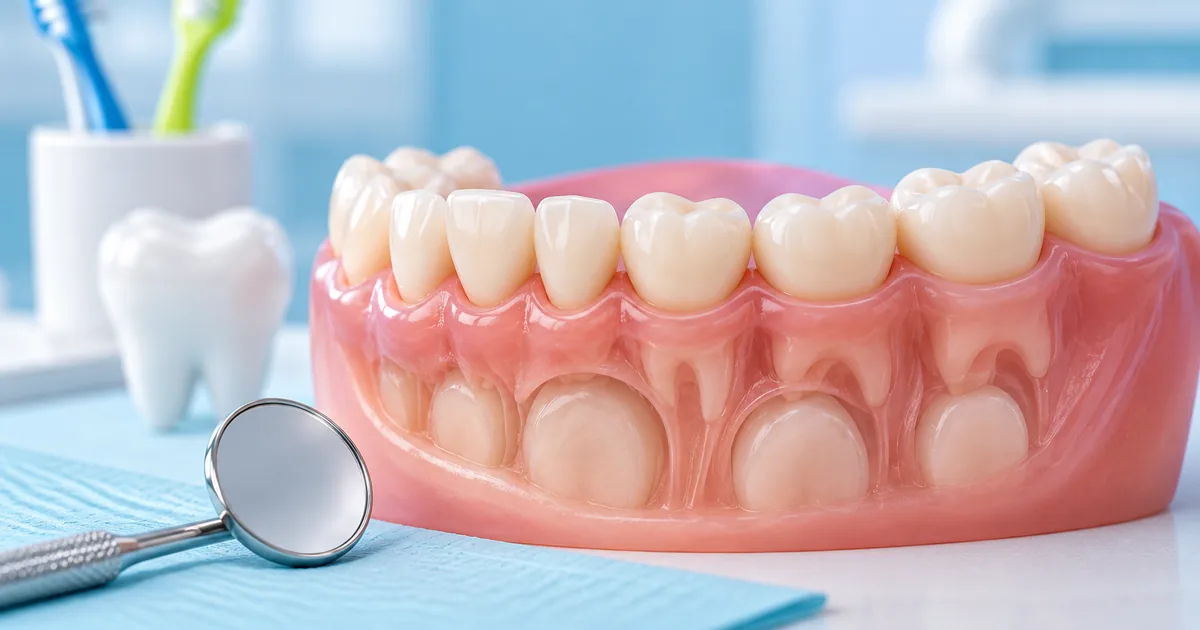
Baby teeth are important because they help children chew food, develop speech, support jaw development, and maintain space for permanent teeth. Although primary teeth eventually fall out, they play an essential role in a child’s growth and everyday comfort. Cavities, infections, or premature tooth loss can sometimes affect eating, speech, and the development of the permanent smile.
At Gentle Touch Family Dentistry in Tooele, UT, we help parents understand why caring for baby teeth matters from the moment the first tooth appears. Healthy primary teeth support important developmental milestones and help children establish oral hygiene habits that can continue into adulthood. Protecting these early teeth is an important part of supporting your child’s long-term dental health.
Quick Answer: Why Are Baby Teeth Important?
Baby teeth, also called primary teeth, do much more than create a child’s first smile.
They help children learn to chew different foods, produce certain speech sounds, and maintain appropriate spacing as the mouth develops.
Most children develop 20 primary teeth, usually beginning around six months of age. However, tooth eruption timing varies considerably among children.
Baby teeth are important because they:
- Help children bite and chew food.
- Support normal speech development.
- Maintain space for developing permanent teeth.
- Contribute to normal jaw and oral development.
- Help children eat comfortably.
- Support confidence and everyday social interactions.
- Allow children to develop healthy brushing habits.
The American Academy of Pediatric Dentistry recognizes that primary teeth are important for chewing, speech, and guiding permanent teeth into position.
Although baby teeth are eventually replaced, some remain in the mouth until approximately ages 10 to 12.
That means a child may rely on certain primary teeth for many years.
Caring for them should begin long before permanent teeth appear.
How Baby Teeth Help Children Eat and Chew
One of the earliest functions of baby teeth is helping children eat a wider variety of foods.
As children transition from soft foods to more textured meals, their developing teeth allow them to bite and chew more effectively.
Front Teeth Help With Biting
The front teeth, called incisors, help children bite into foods.
For example, a child may use their front teeth to take a bite of a soft sandwich or a piece of fruit.
These teeth also contribute to the way the lips and tongue interact during eating.
Back Teeth Help With Chewing
Primary molars have broader chewing surfaces that help break food into smaller pieces.
They are important as children begin eating foods that require more chewing.
Healthy molars can make everyday meals more comfortable.
Tooth Pain Can Affect Eating
A child with a cavity or dental infection may avoid chewing on one side of the mouth.
They may also refuse certain foods because biting or chewing causes discomfort.
This can make mealtimes frustrating for both children and parents.
Missing Teeth May Change Chewing Patterns
When a tooth is lost prematurely, children may adjust how they chew.
The effect depends on which tooth is missing, the child’s age, and the condition of the remaining teeth.
Not every missing baby tooth causes significant chewing difficulty.
However, extensive decay or multiple missing teeth can interfere with comfortable eating.
Healthy Teeth Support Nutritional Variety
Children benefit from a balanced diet that includes fruits, vegetables, proteins, whole grains, and other nutritious foods.
Healthy teeth help them manage age-appropriate textures.
Parents should continue following choking-prevention recommendations when preparing food for young children.
Strong baby teeth support comfortable eating, but they do not eliminate the need to serve foods appropriate for a child’s developmental stage.
Why Baby Teeth Matter for Speech Development
Primary teeth contribute to normal speech development by helping the tongue, lips, and jaw produce certain sounds.
As children learn to speak, their oral structures work together to control airflow and form words.
How Teeth Help Produce Sounds
Certain sounds require the tongue or lips to make contact with the teeth or nearby structures.
For example, sounds such as “th,” “f,” and “v” involve specific tongue or lip positions relative to the teeth.
The teeth help provide surfaces that support these movements.
What Happens When Front Teeth Are Missing?
Early loss of front teeth can affect how some children produce certain sounds.
However, the impact varies.
Some children adapt without significant difficulty, while others may experience temporary articulation changes.
Missing front teeth do not automatically cause a speech disorder.
Can Cavities Affect Speech?
Severe decay may change tooth shape or cause discomfort.
In some cases, this can affect how a child positions their tongue or speaks.
However, speech difficulties can have many causes unrelated to dental health.
Speech Changes Are Part of Normal Development
Children develop speech skills at different rates.
Temporary pronunciation differences are common during early childhood.
It is important not to assume that every speech concern is caused by the teeth.
When Should Parents Ask for Help?
If your child experiences ongoing speech difficulties, discuss the concern with their pediatrician.
A speech-language pathologist may also be appropriate.
A dental examination can help identify whether tooth position, missing teeth, or other oral conditions may be contributing.
At Gentle Touch Family Dentistry, we evaluate your child’s oral development and explain when further assessment may be beneficial.
Healthy baby teeth are one component of normal speech development, but they work alongside many other developmental factors.
How Baby Teeth Guide Permanent Teeth
One important reason why baby teeth are important is their role in maintaining space for permanent teeth.
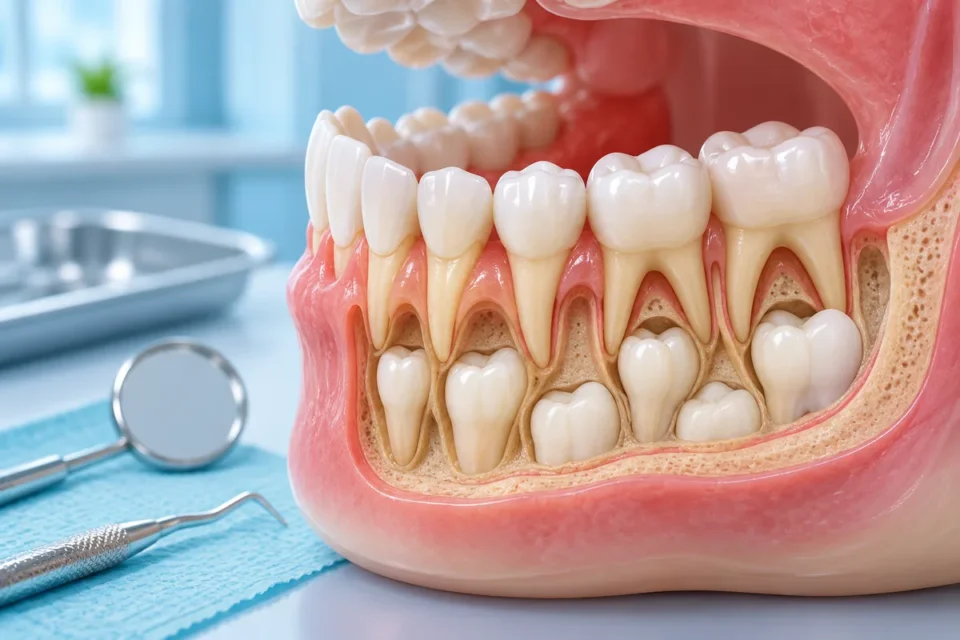
Primary teeth occupy positions in the dental arches while the permanent teeth develop within the jaws.
As children grow, the roots of primary teeth gradually resorb, allowing many of them to fall out naturally when their permanent successors are ready to emerge.
Baby Teeth Hold Space
Primary teeth help maintain the position of neighboring teeth.
This is particularly important for primary molars, which preserve space for the premolars that eventually replace them.
Permanent Teeth Develop Beneath Primary Teeth
Most permanent replacement teeth develop within the jaws before they erupt.
Their development occurs over several years.
Primary teeth contribute to maintaining the surrounding dental arrangement during this process.
Why Eruption Timing Matters
Children do not lose all their baby teeth at the same time.
The transition from primary to permanent teeth commonly begins around age six and continues into the early teenage years.
The timing varies among children and individual teeth.
Baby Teeth and Jaw Development
Normal chewing and oral function contribute to the development of the jaws and surrounding muscles.
Primary teeth also help maintain the dental arches as permanent teeth develop.
However, baby teeth are not the only factor influencing jaw growth.
Genetics, oral habits, development, and other factors also affect jaw shape and tooth alignment.
What If Baby Teeth Are Crowded?
Crowded primary teeth may lead parents to worry about permanent tooth alignment.
However, the relationship is not always straightforward.
Some children develop adequate space as their jaws grow, while others may need monitoring or future orthodontic evaluation.
Regular dental visits allow us to observe these changes.
Do Healthy Baby Teeth Guarantee Straight Permanent Teeth?
No.
Healthy primary teeth support normal development, but they cannot guarantee perfect alignment.
Jaw size, tooth size, genetics, and eruption patterns also influence the permanent smile.
What Happens When a Baby Tooth Is Lost Too Early?
A baby tooth may be lost earlier than expected because of decay, injury, infection, or another dental condition.
Premature tooth loss can sometimes affect the surrounding teeth and the space available for permanent teeth.
However, not every baby tooth lost early causes an orthodontic problem.
The outcome depends on several factors.
Neighboring Teeth May Shift
When a primary tooth is lost prematurely, nearby teeth may move into the available space.
This can reduce the room available for the permanent tooth that is expected to erupt later.
The amount of movement varies depending on the location and timing of tooth loss.
Certain Teeth Are More Important for Space Maintenance
Early loss of a primary molar may have different consequences from losing a front tooth.
The dentist evaluates which tooth was lost and how much time remains before its permanent replacement is expected.
Timing Makes a Difference
A baby tooth that falls out only a short time before its permanent replacement erupts may require little intervention.
A tooth lost several years early may deserve closer monitoring.
What Is a Space Maintainer?
A space maintainer is a dental appliance designed to help preserve the space left by a prematurely lost primary tooth.
It may be considered when the dentist determines that unwanted tooth movement could interfere with future eruption.
However, space maintainers are not necessary for every child.
How Does a Dentist Decide?
We may consider:
- Which primary tooth was lost.
- Your child’s age and dental development.
- How much space remains.
- The position of neighboring teeth.
- The development of the permanent replacement.
- Existing crowding or bite concerns.
- Your child’s oral hygiene and ability to maintain an appliance.
Can Space Maintainers Cause Problems?
Like other dental appliances, space maintainers require monitoring.
They may become loose, trap plaque, or need adjustments as a child grows.
The decision should balance potential benefits against these considerations.
What Should Parents Do?
If your child loses a baby tooth unexpectedly, schedule a dental evaluation.
We can assess whether the tooth was lost at an appropriate stage of development and whether monitoring or treatment is necessary.
Can Cavities in Baby Teeth Cause Bigger Problems?
Yes. Untreated cavities in baby teeth can lead to pain, infection, difficulty eating, and other complications.
Although primary teeth eventually fall out, decay should not be ignored.
Tooth Decay Can Progress
Cavities develop when acids produced by plaque bacteria contribute to the loss of tooth minerals.
Early enamel changes may not cause discomfort.
As decay progresses deeper into the tooth, the affected area may become sensitive or painful.
Baby Teeth Can Develop Infections
Advanced decay may affect the dental pulp, which contains nerves and blood vessels.
This can lead to inflammation or infection.
Symptoms may include pain, swelling, or difficulty chewing.
However, some dental infections produce limited discomfort.
Infections May Affect Developing Teeth
In certain circumstances, severe infections involving primary teeth can affect nearby developing permanent teeth.
This does not happen in every case, but it is one reason prompt evaluation matters.
Cavities Can Affect Daily Activities
Children experiencing dental pain may have trouble eating, sleeping, or concentrating.
Dental discomfort can also make brushing difficult.
Does Every Baby Tooth Cavity Need a Filling?
Not necessarily.
Some early, noncavitated enamel lesions may be managed with preventive measures and monitoring.
More advanced decay may require a filling, crown, or another treatment.
In some cases, extraction may be necessary.
The appropriate treatment depends on the tooth, extent of decay, symptoms, and expected eruption timing.
Why Waiting for the Tooth to Fall Out Can Be Risky
A tooth affected by significant decay may remain in the mouth for years.
Waiting without appropriate care can allow the problem to progress.
Parents should have visible cavities, tooth pain, swelling, or other concerns evaluated.
Early assessment may provide more treatment options.
How to Keep Baby Teeth Healthy
Caring for baby teeth does not require a complicated routine.
The most effective habits involve consistent cleaning, appropriate fluoride use, tooth-friendly dietary choices, and regular dental evaluations.
Parents play an important role because young children cannot clean their teeth effectively on their own.
Start Cleaning Before the First Tooth
Parents can gently wipe a baby’s gums with a clean, damp cloth.
This helps establish a routine and keeps the mouth comfortable.
Brush When the First Tooth Appears
Once the first tooth erupts, begin brushing twice daily with a soft, age-appropriate toothbrush.
Use fluoride toothpaste in the recommended amount.
For children younger than three, the American Dental Association recommends a smear approximately the size of a grain of rice.
For children ages three through six, use a pea-sized amount.
Parents should supervise brushing and help children spit out excess toothpaste.
Help With Brushing
Young children often lack the coordination needed to clean every tooth surface.
Parents should continue helping until the child can brush effectively.
The appropriate age varies.
Clean Between Teeth
When neighboring teeth touch, cleaning between them becomes important.
Floss or another appropriate interdental tool can help remove plaque from areas a toothbrush cannot reach.
Parents may need to perform this step for younger children.
Limit Frequent Sugary Snacks
Candy, sweetened beverages, and frequent sugary snacks can increase cavity risk.
The frequency of exposure matters because oral bacteria produce acids after consuming fermentable carbohydrates.
Parents can offer balanced meals and age-appropriate, lower-sugar snacks.
Choose Water Regularly
Plain water is a useful everyday beverage.
Fluoridated water can provide additional cavity-protective benefits.
Avoid routinely putting a child to bed with a bottle containing milk, juice, or other sugary liquids.
Ask About Fluoride and Sealants
Professional fluoride treatments may help protect teeth when appropriate.
Dental sealants may also be recommended for certain cavity-prone surfaces as the teeth develop.
Recommendations depend on your child’s age and cavity risk.
Address Dental Problems Promptly
Contact your dentist if your child experiences persistent tooth pain, swelling, a broken tooth, or visible decay.
Sudden facial swelling accompanied by fever, difficulty swallowing, or difficulty breathing requires urgent medical attention.
Good home care and professional preventive visits work together to protect developing smiles.
When Should Children Start Seeing a Dentist?
Children should generally have their first dental visit when the first tooth appears or no later than their first birthday.
This recommendation is supported by the American Academy of Pediatric Dentistry and the American Academy of Pediatrics.
Early dental visits help establish a foundation for preventive care.
Why Visit So Early?
Parents may assume that a baby with only one or two teeth does not need professional dental care.
However, early visits focus on more than treating cavities.
They provide an opportunity to discuss feeding habits, fluoride, brushing, teething, and normal tooth development.
What Happens at the First Visit?
The dentist may examine the visible teeth and gums, review relevant health information, and evaluate early cavity risk.
The appointment can also help parents understand what changes to expect as additional teeth emerge.
Will the Visit Be Uncomfortable?
A first dental visit is generally brief and adapted to the child’s developmental stage.
Some young children may be hesitant or cry during an unfamiliar examination.
That reaction does not necessarily indicate a negative dental experience.
We aim to create an age-appropriate, supportive environment.
How Often Should Children Return?
Many children benefit from checkups approximately every six months.
However, the recommended interval depends on cavity risk, oral development, and individual needs.
What If My Child Is Already Older?
If your child has not visited a dentist yet, it is still worthwhile to schedule an appointment.
We can evaluate their current oral health and recommend appropriate care.
Why Early Familiarity Helps
Positive dental experiences can help children become more comfortable with routine examinations.
Parents also gain an opportunity to ask questions before problems develop.
At Gentle Touch Family Dentistry, we believe early education is an important part of supporting healthy dental habits.
Pediatric Dental Care in Tooele
Every stage of childhood brings new changes to a developing smile.
From the first baby tooth to the arrival of permanent molars, children need dental care that reflects their age, oral health, and individual development.
At Gentle Touch Family Dentistry, we provide family-focused dental services for children in Tooele, UT, and surrounding communities.
Our team helps parents understand how primary teeth support chewing, speaking, and the transition to permanent teeth.
Monitoring Tooth Development
During dental visits, we evaluate how your child’s teeth are developing.
We consider tooth eruption, visible decay, bite concerns, and the condition of the gums.
Additional imaging may be recommended when clinically necessary.
Helping Families Prevent Cavities
We discuss age-appropriate brushing, fluoride, dietary habits, and other preventive measures.
Recommendations are based on your child’s dental development and individual risk factors.
Evaluating Early Tooth Loss
If a baby tooth is lost prematurely, we can assess whether the space needs monitoring or whether additional treatment may be appropriate.
Not every child requires a space maintainer.
Supporting Comfortable Dental Experiences
We understand that children may feel unsure about dental appointments.
Our team explains procedures in an age-appropriate way and encourages parents to ask questions.
Caring for Primary and Permanent Teeth
As children grow, both baby teeth and permanent teeth may be present in the mouth.
We monitor this transition and identify concerns that may require further evaluation.
For more information about children’s dental services, visit our Pediatric Dentistry page.
Parents can also learn about our Preventive Dentistry services and how routine care supports healthy teeth and gums.
Our goal is to help families establish practical oral hygiene habits and understand each stage of their child’s dental development.
FAQs About Baby Teeth
Why are baby teeth important if they eventually fall out?
Baby teeth help children chew, speak, and maintain space for permanent teeth. They also support normal oral development and everyday comfort.
Can cavities in baby teeth affect permanent teeth?
In some cases, severe decay or infection involving a primary tooth can affect the developing permanent tooth nearby. Not every cavity causes this problem, but untreated decay should be evaluated.
What happens if a baby tooth falls out too early?
Neighboring teeth may shift and reduce the space available for the permanent replacement. However, the impact depends on which tooth was lost, the child’s age, and dental development.
Do all children need space maintainers after losing a baby tooth?
No. Space maintainers are considered only when the dentist determines they may be beneficial. Many children do not need one.
At what age do baby teeth start falling out?
Most children begin losing baby teeth around age six, although timing varies. The process generally continues through later childhood as permanent teeth emerge.
When should my baby have their first dental appointment?
Schedule the first dental visit when the first tooth appears or no later than your child’s first birthday. Early care helps parents establish healthy habits and identify concerns.
Give Your Child’s Smile a Healthy Start at Gentle Touch Family Dentistry
Baby teeth may be temporary, but their role in childhood development is important.
They help children eat comfortably, develop speech skills, and maintain space for permanent teeth. Keeping them healthy also helps reduce the risk of pain, infection, and preventable dental problems.
At Gentle Touch Family Dentistry, we help parents throughout Tooele, UT, understand how to care for their children’s teeth from infancy through adolescence.
Our team provides pediatric dental examinations, preventive care, and individualized recommendations based on each child’s development.
Whether your child is getting their first tooth, learning to brush, or beginning to lose baby teeth, we can explain what is normal and when additional evaluation may be necessary.
We also understand that parents may have questions about cavities, early tooth loss, fluoride, and the timing of permanent teeth.
Our goal is to provide clear answers and appropriate dental care without recommending unnecessary treatment.
Understanding why baby teeth are important is the first step toward protecting your child’s growing smile.
Schedule your child’s dental appointment with Gentle Touch Family Dentistry in Tooele, UT. Call (435) 882-3700 or visit our office at 271 S Main St, Tooele, UT 84074.
We look forward to helping your family build healthy dental habits that can continue for years to come.