Table of Contents
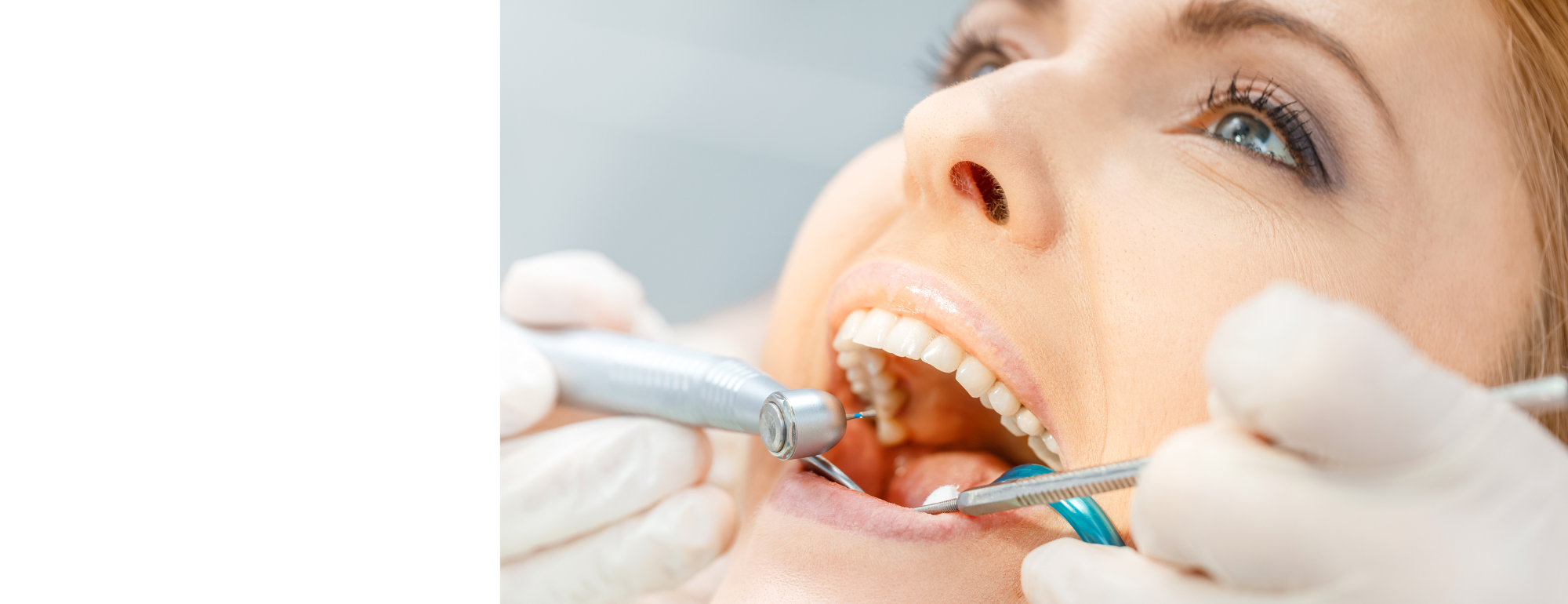
You should replace old dental fillings or dental work when they are cracked, loose, leaking, painful, worn down, or allowing new decay to form around the edges. Knowing when to replace dental fillings helps protect the tooth before a small problem becomes a larger repair.
Old dental work does not always need replacement just because it has been in your mouth for years. It should be checked regularly so your dentist can tell whether it is still sealed, stable, and protecting the tooth properly.
How Long Do Dental Fillings Last?
Dental fillings can last for several years, but they are not permanent. Their lifespan depends on the material, size, location, bite pressure, oral hygiene, and whether the person grinds or clenches their teeth.
Cleveland Clinic notes that some fillings can last up to 20 years, depending on the material used. Fillings may be made from amalgam or tooth-colored materials such as composite resin or porcelain.
Common lifespan estimates include:
- Composite fillings: often several years or longer
- Amalgam fillings: often longer than composite in high-pressure areas
- Ceramic or porcelain restorations: may last many years with good care
- Gold restorations: can be very durable, but are less common
These are general ranges, not guarantees. A small filling on a low-pressure tooth may last longer than a large filling on a back molar.
What Affects Filling Lifespan?
A filling may wear out faster if you grind your teeth, chew ice, eat hard foods, have dry mouth, or have high cavity risk.
Large fillings also tend to be more vulnerable because less natural tooth structure remains.
Why Regular Exams Matter
A filling can fail before you feel pain. Dentists can often see cracks, open edges, or decay around old dental work during routine exams.
Fillings can last many years, but they need regular monitoring. The best way to know when to replace dental fillings is to have them checked before symptoms become severe through a routine dental checkup.
What Are Signs a Filling Needs to Be Replaced?
A filling may need replacement if it is cracked, chipped, loose, stained around the edges, sensitive, painful, or trapping food. These signs may mean the filling is no longer sealing the tooth properly.
Common warning signs include:
- Pain when biting
- Sensitivity to cold, heat, or sweets
- Rough or sharp edges
- Food getting stuck near the filling
- Visible cracks
- Dark staining around the filling
- A filling that feels loose
- A piece of filling missing
- Bad taste or odor near the tooth
- Floss shredding around the filling
A worn filling may allow bacteria to collect around the edges. This can lead to new decay under or beside the restoration.
Why a Filling Can Look Fine but Still Fail
Some problems are not obvious in the mirror. A filling can have tiny gaps, leakage, or decay underneath that only a dentist can detect.
X-rays may be needed if the issue is between teeth or under old dental work.
When Sensitivity Is a Warning Sign
Mild sensitivity can happen for many reasons. Sensitivity around an old filling becomes more concerning when it is new, worsening, or limited to one tooth.
Understanding tooth sensitivity causes and treatment options can help explain whether discomfort is coming from a worn filling, exposed dentin, decay, gum recession, or another dental problem.
Visible damage is not the only sign of a failing filling. Pain, sensitivity, food trapping, or changes in how the filling feels can all be reasons to schedule an exam.
Can Old Fillings Cause Tooth Pain?
Yes, old dental fillings can cause tooth pain if they crack, leak, loosen, or allow decay to form beneath them. Pain may also happen if the tooth around the filling fractures or the nerve becomes irritated.
Pain from an old filling may feel like:
- Sharp pain when biting
- Cold sensitivity
- Sweet sensitivity
- Lingering ache
- Throbbing pain
- Pain when releasing bite pressure
- Gum soreness near the tooth
A filling does not protect a tooth forever. If the seal breaks down, bacteria can enter and cause decay near the filling.
When Pain May Mean a Crack
Pain when biting can sometimes point to a cracked tooth. This is more likely when the tooth has a large old filling and limited natural structure left.
A cracked tooth may need a crown, onlay, root canal, or another treatment depending on how deep the crack goes.
When Pain May Mean Decay
Decay under or around an old filling can move closer to the tooth’s nerve. Early decay may cause mild sensitivity, while deeper decay can cause stronger pain.
Old fillings can cause pain when they stop protecting the tooth properly. If pain is new, sharp, or getting worse, a dentist should check the tooth promptly.
Is It Safe to Keep Old Dental Work?
Yes, it can be safe to keep old dental work if it is stable, sealed, comfortable, and free from decay. Old does not automatically mean unsafe.
A dentist may recommend monitoring older restorations if they are still working well. Replacement is usually recommended when the restoration is failing or putting the tooth at risk.
Old dental work may still be safe if:
- There is no pain
- The filling is not loose
- No decay is present
- The edges are sealed
- The tooth is not cracked
- The bite feels normal
- The gums around it are healthy
What About Silver Fillings?
Silver-colored amalgam fillings have been used for many years. Some patients choose to replace them for appearance, damage, or structural reasons.
However, replacement should be based on your dental health, symptoms, and the condition of the filling, not age alone.
Why Unnecessary Replacement Is Not Always Ideal
Replacing a filling removes some tooth structure. Repeated replacement can eventually weaken the tooth.
This is why dentists usually weigh the risks and benefits before replacing old dental work.
It is often safe to keep old dental work if it is healthy and functional. The decision should be based on the condition of the tooth, not just the age of the filling.
What Happens If a Filling Falls Out?
If a filling falls out, the exposed tooth may become sensitive, rough, or painful. You should contact a dentist as soon as possible so the tooth can be repaired and protected.
A lost filling can expose the inner tooth to bacteria, food, temperature changes, and chewing pressure. Even if it does not hurt, the tooth is more vulnerable.
If a filling falls out:
- Call your dentist
- Avoid chewing on that side
- Keep the area clean
- Rinse gently with warm water
- Do not place aspirin on the tooth
- Avoid very hot, cold, or sweet foods
- Save the filling if you still have it
- Use temporary dental material only if advised
Dental Health Society recommends seeing a dentist as soon as possible after a filling falls out because each situation is different and the tooth needs professional care.
Is a Lost Filling an Emergency?
A lost filling is urgent if you have severe pain, swelling, bleeding, fever, or a broken tooth with sharp edges. If there is no pain, it still should not be ignored.
The longer the tooth stays exposed, the greater the risk of damage or decay. If pain or damage is severe, emergency dentistry may be needed to protect the tooth quickly.
Can the Same Filling Be Put Back?
Usually, a filling that falls out is replaced with new material. The dentist will check whether the tooth needs a filling, crown, onlay, or another restoration.
A fallen filling should be treated quickly, even if it does not hurt. The goal is to reseal and protect the tooth before more damage occurs.
Are Newer Filling Materials Better Than Old Ones?
Newer filling materials can be better for certain situations, especially when appearance, bonding strength, and conservative tooth repair are important. However, the best material depends on the tooth, bite, cavity size, and long-term needs.
Modern tooth-colored materials are commonly used because they blend with natural teeth and bond directly to tooth structure. Amalgam can still be durable, especially in back teeth with heavy chewing forces. This more precise, appearance-focused approach is one reason modern cavity fillings feel more like smile sculpting than older restorative techniques.
Cleveland Clinic explains that fillings may be direct or indirect and can include amalgam, composite resin, porcelain, and other materials. Your dentist can discuss which filling type is best for your situation.
Benefits of Newer Tooth-Colored Materials
Tooth-colored fillings can offer:
- More natural appearance
- Direct bonding to tooth structure
- Conservative repair for smaller cavities
- Good aesthetics for visible teeth
- Strong results when properly placed
When a tooth needs repair, dental cavity fillings can help restore comfort, function, and protection.
When Older Materials May Still Work
An older filling material is not automatically bad. A well-sealed, comfortable filling may continue to function safely for years.
The decision should be based on what protects the tooth best.
When a Filling Is No Longer Enough
If too much tooth structure is missing, a new filling may not be strong enough. A crown or onlay may be recommended instead.
This is common when a large old filling has weakened the tooth. In these cases, dental crowns may provide stronger long-term support than another filling.
Newer materials can offer strong cosmetic and functional benefits, but no single material is best for every tooth. A dentist can help choose the safest option for your bite and tooth structure.
Final Thoughts
Replacing old dental fillings is an important part of maintaining your oral health. If your fillings show signs of wear, cracking, or discomfort, it’s best to visit your dentist and explore your options for dental fillings replacement. By replacing old fillings on time, you can avoid further damage, pain, and the need for more extensive treatments.
Keep Your Dental Work Strong and Comfortable
Old dental fillings should be replaced when they are damaged, loose, painful, leaking, or allowing decay to form. Knowing when to replace dental fillings can help prevent larger problems such as cracked teeth, deeper decay, root canal treatment, or tooth loss.
At Gentle Touch Family Dentistry, we help patients understand whether old fillings and dental work are still protecting their teeth. If you are looking for dental fillings in Tooele, UT, we can check your existing restorations, explain your options, and help you choose the right next step for long-term comfort and oral health.