Table of Contents
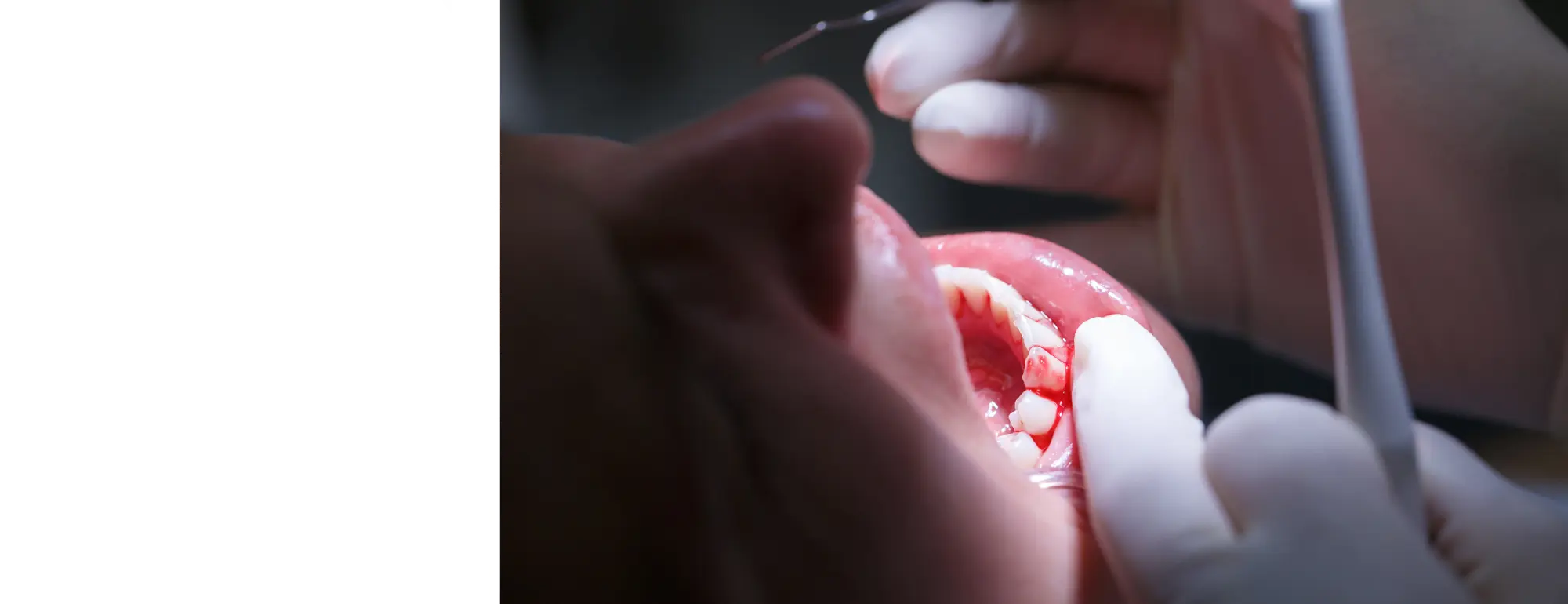
Many dental symptoms require immediate professional attention, especially severe pain, swelling, infection, uncontrolled bleeding, or sudden damage to a tooth. Recognizing the signs you need a dentist immediately can help prevent complications, preserve oral health, and reduce the risk of more serious medical issues.
Dental problems often worsen when treatment is delayed. Knowing when to contact an emergency dentist can make a significant difference in protecting your teeth, gums, and overall well-being.
When Is Tooth Pain Considered a Dental Emergency?
Not every toothache requires urgent care, but severe or persistent pain should never be ignored.
Severe Pain That Disrupts Daily Activities
Tooth pain becomes a dental emergency when it interferes with eating, sleeping, working, or normal daily activities.
Intense pain may indicate:
- Advanced tooth decay
- Dental abscess
- Nerve damage
- Cracked tooth
- Severe infection
Prompt evaluation helps identify the underlying cause and prevent further damage.
Pain Accompanied by Other Symptoms
Tooth pain combined with swelling, fever, bad taste in the mouth, or facial tenderness may indicate a serious infection.
These symptoms often require immediate professional treatment. Learning more about managing dental infections in general dentistry can also help patients understand how dentists diagnose and address these problems before they progress.
Sudden Sensitivity After Injury
If tooth pain develops after trauma, a fall, or an accident, emergency evaluation is recommended.
Hidden fractures and internal tooth damage may not always be visible.
What Are Warning Signs of a Serious Dental Infection?
Dental infections can become serious if bacteria spread beyond the tooth and surrounding tissues.
Persistent Throbbing Pain
A constant throbbing sensation is one of the most common signs of infection.
The pain may worsen when chewing or applying pressure to the affected tooth.
Swelling Around the Tooth or Jaw
Swelling often indicates that the body is responding to bacterial infection.
This swelling may develop gradually or appear suddenly.
Fever and General Illness
A dental infection can affect overall health.
Warning signs include:
- Fever
- Fatigue
- Chills
- Difficulty concentrating
- Feeling generally unwell
These symptoms may suggest the infection is spreading.
Pus or Unpleasant Taste
Drainage around the gums or a persistent bad taste in the mouth can indicate an abscess.
This condition requires immediate attention from an emergency dentist.
Should I See a Dentist for Swollen Gums or Face Swelling?
Yes. Swollen gums or facial swelling should always be evaluated by a dental professional.
Gum Swelling May Signal Infection
Inflamed gums can develop due to:
- Gum disease
- Tooth infections
- Impacted teeth
- Food debris trapped below the gumline
Without treatment, these conditions can worsen.
Facial Swelling Requires Immediate Attention
Swelling that extends into the cheeks, jaw, or face may indicate a more advanced infection.
In some cases, swelling can interfere with breathing or swallowing.
Do Not Wait for Symptoms to Improve
Many patients delay treatment hoping the swelling will resolve on its own.
Unfortunately, infections rarely disappear without addressing the underlying cause.
Understanding when to see an emergency dentist in Tooele, UT is especially important when swelling develops rapidly or is accompanied by pain and fever.
Is Bleeding Gums a Reason to Visit the Dentist Right Away?
Occasional minor bleeding during brushing may not always require emergency care, but persistent or heavy bleeding should be evaluated promptly.
Bleeding That Continues Repeatedly
Healthy gums generally do not bleed regularly.
Frequent bleeding may indicate:
- Gingivitis
- Periodontal disease
- Infection
- Tissue irritation
Professional evaluation helps determine the cause.
Bleeding After Dental Trauma
Any significant bleeding following an injury should be treated as urgent.
Trauma can damage:
- Teeth
- Gum tissue
- Supporting bone
- Soft tissues of the mouth
Early treatment improves outcomes and reduces complications.
Unexplained Bleeding
If bleeding occurs without an obvious reason, a dental examination is recommended.
Ignoring ongoing bleeding can allow underlying conditions to progress.
Can a Toothache Go Away on Its Own Without Treatment?
Some toothaches may temporarily improve, but the underlying problem often remains.
Pain Relief Does Not Mean Healing
Tooth pain can fluctuate.
A decrease in discomfort does not necessarily indicate recovery.
For example, severe decay may eventually damage the tooth nerve, causing pain to lessen while the condition worsens.
Common Causes of Toothaches
Tooth pain may result from:
- Cavities
- Cracked teeth
- Infections
- Gum disease
- Exposed tooth roots
Each condition requires professional diagnosis and treatment. When an infection has already affected the structure of a tooth, understanding tooth infection and restorative dentistry can provide more insight into how damaged teeth may be treated and restored.
Delaying Treatment Increases Risk
Waiting too long can lead to:
- More extensive damage
- Greater treatment costs
- Tooth loss
- Spread of infection
When experiencing persistent symptoms, contacting an emergency dentist is often the safest decision.
What Dental Symptoms Should Never Be Ignored?
Certain symptoms should always prompt immediate dental attention.
Knocked-Out or Loose Teeth
A knocked-out tooth is one of the most urgent dental emergencies.
Quick action significantly increases the likelihood of saving the tooth.
Loose adult teeth also require immediate evaluation.
Severe Tooth Sensitivity
Sudden, intense sensitivity to hot or cold temperatures may indicate nerve involvement or structural damage.
Ignoring these symptoms can lead to more serious complications.
Persistent Mouth Sores
Sores that do not heal within two weeks should be examined.
While many mouth sores are harmless, some may indicate underlying health concerns.
Difficulty Chewing or Opening the Mouth
Jaw pain, restricted movement, or difficulty chewing may signal infection, joint disorders, or other significant conditions.
Signs You Need a Dentist Immediately
Some of the most important signs you need a dentist immediately include:
- Severe tooth pain
- Facial swelling
- Uncontrolled bleeding
- Pus around the gums
- Knocked-out teeth
- Fever with dental pain
- Difficulty swallowing
Prompt care can help prevent serious complications.
How Fast Can Dental Problems Get Worse?
The progression of dental issues varies, but many conditions worsen faster than patients realize.
Infections Can Escalate Quickly
A minor infection can spread into surrounding tissues within days.
Without treatment, bacteria may affect neighboring teeth, bone, and soft tissue structures.
Tooth Decay Continues to Progress
Cavities do not heal naturally.
Decay gradually moves deeper into the tooth, eventually affecting the pulp and nerve.
Gum Disease Advances Over Time
Untreated gum disease can progress from mild inflammation to significant tissue and bone loss.
Early intervention provides the best opportunity for preserving oral health.
Delayed Treatment Often Leads to More Complex Care
Many dental emergencies begin as manageable problems.
Prompt evaluation allows dentists to address issues before they require more extensive procedures.
Recognizing when to see an emergency dentist in Tooele, UT can help patients avoid unnecessary discomfort and protect their long-term dental health.
Key Takeaways
Recognizing the signs you need a dentist immediately can prevent serious complications and protect your oral health. Severe pain, swelling, infection, bleeding, trauma, and persistent symptoms should never be ignored. Seeking prompt care from an emergency dentist helps address problems early and reduces the risk of long-term damage.
Get Prompt Care When Dental Problems Can’t Wait
At Gentle Touch Family Dentistry, we understand that dental emergencies can happen without warning. We are committed to providing prompt, compassionate care when you need it most.
Whether you are experiencing severe pain, swelling, trauma, or other signs you need a dentist immediately, we are here to help. Contact us today to learn more about when to see an emergency dentist in Tooele, UT and receive the professional care your smile deserves.