Table of Contents
You are at home trying to eat dinner, but a missing tooth makes chewing uncomfortable and embarrassing. Dental implants are often worth it when you want a long-term tooth replacement that looks natural, feels stable, and protects your jaw health. They cost more upfront than bridges or dentures, but they may offer better comfort, function, and durability over time. The right choice depends on your oral health, budget, bone support, and goals for eating, speaking, and smiling.
Are Dental Implants Really Worth the Money?
For many patients, yes. Dental implants can be worth the money because they replace the tooth root, not just the visible tooth. That gives the final crown strong support.
Implants may be a better value when you want a fixed option that does not move while eating or speaking. They also avoid using nearby healthy teeth as anchors, which is often required with a traditional dental bridge.
When Implants Make Financial Sense
Implants may be worth considering if you have one missing tooth, several missing teeth, loose dentures, or a failing bridge. They can also be valuable when you want a solution that supports long-term oral function.
They may not be the best first choice if you need extensive gum treatment, have uncontrolled medical conditions, or need a lower-cost short-term option.
What Are the Biggest Benefits of Dental Implants?
The main dental implant benefits include stability, comfort, appearance, chewing strength, and bone support.
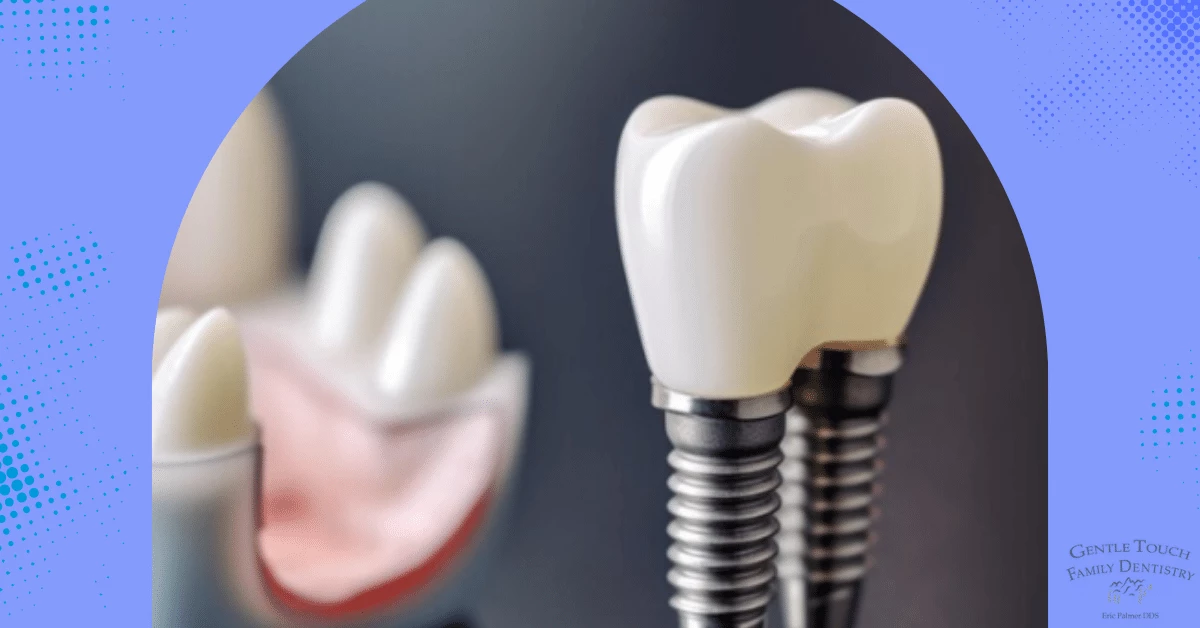
A dental implant is placed in the jawbone. After healing, it can support a crown, bridge, or denture.
Functional Benefits
Implants help restore chewing ability. This can make it easier to eat firm foods, speak, and avoid shifting pressure to other teeth.
They are also easy to care for. Most patients brush, floss, and schedule professional cleanings as they would with natural teeth during routine dental checkups.
Appearance and Confidence
Implants are designed to blend with surrounding teeth. They can fill gaps, support facial shape, and help patients feel more comfortable smiling.
These benefits are strongest when treatment is planned carefully and maintained with good home care.
How Much Do Dental Implants Typically Cost?
A single implant often costs more than other tooth replacement options. Current U.S. estimates commonly place one complete implant, abutment, and crown around $3,000 to $7,000, depending on location, provider, materials, and additional care.
What Affects the Cost?
Costs may increase if you need:
- Bone grafting
- Tooth extraction
- 3D imaging
- Gum treatment
- Temporary teeth
- Multiple implants
- Sedation
The lowest price is not always the best value. Experience, planning, materials, and follow-up care matter.
What Homeowners Can Safely Do Themselves
You can compare written estimates, ask what is included, review financing options, and check insurance benefits. You cannot safely diagnose bone quality or choose implant placement yourself. That requires a dental exam and imaging.
Do Dental Implants Last Longer Than Other Tooth Replacement Options?
Yes, they can. With proper care, implants may last for decades, and some can last a lifetime. The crown attached to the implant may need replacement sooner due to wear.
Traditional bridges may need replacement if supporting teeth weaken. Removable dentures may need adjustments because the gums and jaw change over time.
Long-Term Value Comparison
Implants usually cost more upfront. However, they may reduce future replacement needs when placed and maintained properly.
For patients asking can dental implants last a lifetime, the answer depends on factors such as oral hygiene, gum health, bone support, smoking, bite forces, and regular dental care.
The best option depends on your mouth. A bridge may work well if nearby teeth already need crowns. Dentures may be more affordable when many teeth are missing. Implants may offer stronger function and stability when bone health supports treatment.
If you’re comparing long-term outcomes, you may also find our guide on why some people regret waiting too long for dental implants helpful.
What Are the Disadvantages of Getting Dental Implants?
Implants are not perfect for every person.
The main disadvantages include cost, treatment time, surgery, healing, and possible complications. The process may take several months because the implant must bond with the jawbone.
Possible Problems
Risks can include infection, implant failure, nerve irritation, sinus issues, gum recession, or bite problems. These risks are usually lower when the provider plans carefully and the patient follows aftercare instructions.
When Implants May Not Be Ideal
Implants may not be recommended right away if you smoke heavily, have uncontrolled diabetes, active gum disease, poor bone support, or inconsistent oral hygiene.
This is why reviewing whether you are a good candidate for dental implants is an important part of the treatment-planning process.
A responsible dentist should explain alternatives and not pressure you into one treatment.
Can Dental Implants Help Prevent Bone Loss?
Yes. One major advantage of dental implants is that they can help preserve jawbone in the area where the tooth root is missing.
When a tooth is lost, the jawbone no longer receives the same chewing stimulation. Over time, that area can shrink.
Why Bone Support Matters
Bone loss can change how your face looks, how dentures fit, and how nearby teeth shift. An implant helps transfer chewing forces into the bone, which supports long-term stability.
However, implants also need healthy bone around them. If bone has already been lost, grafting may be needed before or during placement. Learn more in our article on understanding bone grafting for dental implants.
Are Dental Implants Covered by Dental Insurance?
Coverage varies. Some dental plans cover part of the crown, extraction, imaging, or related procedures, while excluding the implant post itself.
Other plans may cover implants under major services, often with waiting periods, annual maximums, or pre-authorization requirements.
Questions to Ask Your Insurer
Ask whether implants are covered, what percentage is paid, whether bone grafting is included, and what your annual maximum is.
Also ask your dental office for an estimate before starting. This reduces surprises.
Choosing the Best Option
If you are comparing dental implants in Tooele, UT, look for clear explanations, realistic timelines, transparent pricing, and reviews that mention comfort, communication, and follow-up care.
The best provider helps you understand whether implants, bridges, or dentures make the most sense for your health and budget. An oral exam is the first step in determining whether you’re a good candidate for implant treatment.
Key Insights
Dental implants can be worth it when you want strong function, natural appearance, and long-term support for your smile. They usually cost more upfront than bridges or dentures, but their durability and bone-preserving design may create value over time.
The biggest dental implant benefits include stable chewing, improved confidence, easier maintenance, and protection against jawbone shrinkage. They are not ideal for every patient.
A dental exam, imaging, health review, cost estimate, and honest comparison of alternatives are essential before making a decision.
Ready to Make a Clear Decision?
Missing teeth can affect more than your smile, and getting honest answers matters.
At Gentle Touch Family Dentistry, we take time to explain your options, review your oral health, and help you decide whether dental implants in Tooele, UT are right for you. We will walk you through costs, risks, and alternatives without pressure.
If implants are a good fit, we will help you plan the next step with clarity. If another option serves you better, we will tell you that too. Contact our team today to schedule a visit and receive clear guidance for a healthier smile.