Table of Contents
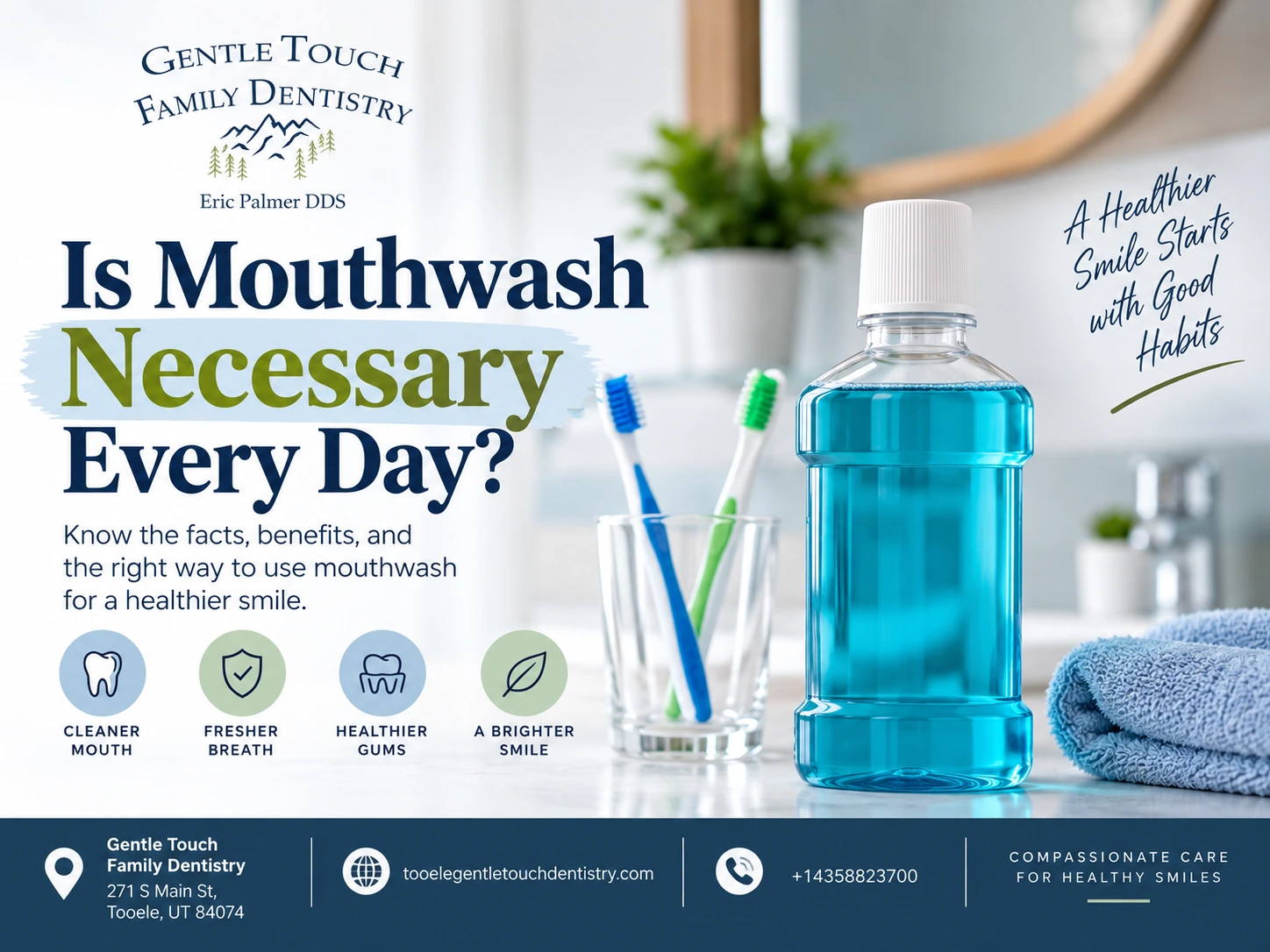
Mouthwash can leave your mouth feeling fresh, but does that mean you need to use it every day? For many people, the answer is no—daily mouthwash is not an essential part of basic oral hygiene. Brushing twice a day with fluoride toothpaste and cleaning between your teeth daily remain the foundation of a healthy routine.
However, mouthwash can be a useful addition for some people. Certain therapeutic rinses contain ingredients designed to help reduce plaque or gingivitis, provide fluoride for cavity prevention, or control bad breath. The right product and frequency depend on your individual oral health needs. The American Dental Association (ADA) describes mouthwash as a potentially helpful addition to brushing and flossing rather than a replacement for either habit.
If you are wondering if mouthwash is necessary every day, it helps to understand what the product is designed to do. Some rinses offer therapeutic benefits, while others mainly freshen breath temporarily.
Is Mouthwash Necessary Every Day?
Not everyone needs to use mouthwash every day.
For someone who brushes thoroughly twice daily with fluoride toothpaste, cleans between their teeth once a day, and has no particular dental concerns, mouthwash may simply be an optional addition to their routine.
Other patients may benefit more from a daily rinse. A dentist might recommend a particular product for someone who has an increased cavity risk, difficulty controlling plaque and gingivitis, certain orthodontic appliances, or another oral health concern.
The purpose of the rinse matters as well.
The ADA divides mouthrinses into two broad categories: cosmetic and therapeutic. Cosmetic mouthwash may temporarily freshen breath or leave a pleasant taste but does not necessarily address the underlying cause of an oral health problem. Therapeutic rinses contain active ingredients intended to help with concerns such as plaque, gingivitis, cavities, or bad breath.
So rather than thinking of mouthwash as something everyone must use, it is more helpful to ask whether a particular rinse provides a benefit that fits your needs.
What Are the Benefits of Using Mouthwash?
The potential benefits of mouthwash depend largely on its active ingredients.
Simply choosing a bottle based on flavor or packaging does not guarantee that it will address your specific concern.
It may provide additional cavity protection
Some therapeutic mouthwashes contain fluoride.
Fluoride strengthens tooth enamel and can help replace minerals lost during the early stages of tooth decay. Fluoride is also commonly found in toothpaste and may be present in community drinking water.
A fluoride mouthrinse may be recommended for certain people who have a higher risk of developing cavities. That does not mean everyone needs an additional fluoride rinse, so it is reasonable to ask your dentist whether one would benefit you.
It may help control plaque and gingivitis
Certain antimicrobial mouthwashes contain ingredients such as essential oils, cetylpyridinium chloride, or prescription chlorhexidine.
Evidence reviewed by the ADA indicates that antimicrobial mouthrinses can provide additional plaque and gingivitis control when used along with brushing and interdental cleaning. They can be especially useful for people who have difficulty adequately controlling plaque through mechanical cleaning alone.
It may help with bad breath
Some mouthwashes simply mask unpleasant odors temporarily. Others contain therapeutic ingredients intended to reduce bacteria or compounds associated with bad breath.
Persistent bad breath should not always be treated by repeatedly covering it with mouthwash. It can sometimes be associated with plaque buildup, gum problems, dry mouth, or other oral and medical factors that deserve evaluation.
It can reach areas a toothbrush may miss
A liquid rinse can circulate throughout the mouth and reach areas that are difficult to contact directly with a toothbrush.
That can provide an additional benefit, but it does not mean the rinse physically removes plaque as effectively as brushing and cleaning between the teeth. Mouthwash is an addition to mechanical cleaning, not a shortcut around it.
Are There Any Downsides to Daily Mouthwash?
Using an appropriate over-the-counter mouthwash according to its directions is generally straightforward, but daily use is not automatically better for every patient.
Potential concerns depend on the product.
Some rinses can cause staining or taste changes
Certain therapeutic ingredients can have side effects.
The ADA notes that mouthrinses containing chlorhexidine or cetylpyridinium chloride may cause brown staining of the teeth, tongue, or dental restorations. Chlorhexidine products can also be associated with altered taste.
Chlorhexidine rinses are prescription products and should be used according to your dentist’s instructions rather than added casually to a long-term routine.
Some products may cause irritation
Some people find particular mouthwash formulations uncomfortable or experience a burning sensation when rinsing.
If a product consistently causes discomfort or irritation, do not assume that discomfort means it is “working better.” Ask your dentist about an alternative formulation that may be more appropriate.
Mouthwash can create a false sense of cleanliness
A strong mint flavor can make your mouth feel clean even when plaque remains along the gumline or between teeth.
That fresh sensation should not be confused with physically removing plaque.
It may temporarily hide bad breath
If bad breath keeps returning, simply rinsing more often may mask the symptom without addressing the cause.
Persistent bad breath is worth mentioning during a dental visit, particularly if it occurs alongside bleeding gums, tooth pain, dry mouth, or another new symptom.
It is not appropriate for every child
The ADA advises that children younger than six generally should not use mouthwash unless specifically directed by a dentist because younger children may not have sufficiently developed swallowing reflexes to avoid swallowing the rinse. Product labels should also be checked for individual age recommendations.
What Type of Mouthwash Should You Use?
There is no single “best” mouthwash for everyone. Choosing one should start with the reason you want to use it.
Fluoride mouthwash
Fluoride rinses are designed to provide additional protection against tooth decay.
They may be useful for patients with increased cavity risk, although whether you need one depends on your existing fluoride exposure and oral health.
Antimicrobial mouthwash
These rinses contain ingredients intended to help control bacteria associated with plaque, gingivitis, or bad breath.
Common therapeutic ingredients may include:
- Cetylpyridinium chloride
- Essential oils
- Chlorhexidine
Chlorhexidine is generally available by prescription and should be used according to professional instructions.
Cosmetic mouthwash
Cosmetic rinses primarily freshen the mouth and temporarily control bad breath.
They may make your mouth feel fresher but do not necessarily provide cavity or gum-disease protection.
Mouthwash for dry mouth
Some rinses are specifically formulated to help provide relief from dry mouth symptoms.
If dry mouth is persistent, however, it is important to determine why it is happening rather than treating the sensation alone. Medications and health conditions can sometimes contribute to reduced saliva.
Whitening rinses
Some mouthwashes contain peroxide or other ingredients marketed for whitening.
These products serve a different purpose than fluoride or antimicrobial rinses and should not be assumed to provide the same oral health benefits.
If you are comparing products, look at the active ingredients and claims rather than choosing by flavor alone. An ADA Seal of Acceptance can also indicate that a product has provided evidence supporting its safety and effectiveness for its stated purpose.
Can Mouthwash Replace Brushing or Flossing?
No. Mouthwash should not replace brushing or cleaning between your teeth.
Brushing physically disrupts and removes plaque from tooth surfaces. Cleaning between your teeth reaches areas that toothbrush bristles may not adequately clean.
The ADA recommends brushing twice a day and cleaning between the teeth with floss or another interdental cleaner once a day.
Mouthwash may provide additional benefits, but simply swishing liquid around your mouth does not produce the same mechanical plaque removal.
A practical daily routine usually includes:
- Brushing twice daily with fluoride toothpaste
- Cleaning between the teeth once daily
- Eating a balanced diet and limiting frequent sugary exposures
- Drinking water regularly
- Using an appropriate mouthwash when it provides a useful additional benefit
- Keeping up with preventive dental care
Think of mouthwash as an optional supporting tool, not the foundation of your routine.
If you only have enough time for one or the other, do not replace brushing or interdental cleaning with mouthwash just because rinsing feels faster.
What Is the Best Way to Use Mouthwash?
The correct way to use mouthwash depends on the particular product.
Always read the label or follow instructions from your dentist, especially when using prescription mouthwash.
In general:
- Measure the recommended amount. Using extra mouthwash does not necessarily provide extra benefit.
- Swish for the recommended time. Different formulations may have different instructions.
- Spit the mouthwash out. Mouthwash is generally intended for rinsing rather than swallowing.
- Follow age restrictions on the label. Do not give mouthwash to young children unless their dentist recommends it.
- Use prescription rinses exactly as directed. Follow the prescribed frequency, amount, and duration.
- Check instructions about timing. Whether a rinse should be used before or after brushing can depend on the ingredients in the toothpaste and mouthwash. The ADA notes that manufacturers may recommend a particular sequence to maximize the benefits of their products.
- Do not let rinsing replace thorough cleaning. Mouthwash works best when it complements an already consistent oral hygiene routine.
If your dentist has recommended a specific mouthwash, follow those directions rather than relying on general instructions from another product.
When Should You Ask Your Dentist About Mouthwash?
If your teeth and gums are healthy and your home-care routine is working well, you may not need a special daily mouthwash.
However, professional guidance can be helpful if you have a specific concern.
Consider asking your dentist about mouthwash if you:
- Develop cavities frequently
- Have a history of gum inflammation or gum disease
- Regularly experience bad breath
- Have difficulty brushing or cleaning between your teeth
- Wear braces or another appliance that makes cleaning challenging
- Experience persistent dry mouth
- Have sensitive teeth
- Are unsure whether you need additional fluoride
- Are considering a prescription antimicrobial rinse
- Experience irritation from your current mouthwash
Your dentist can consider your cavity risk, gum health, existing dental work, medications, and home-care habits before recommending a particular product.
A regular Dental Checkup also provides an opportunity to discuss products you are already using and whether they are actually helping you reach your oral health goals. Gentle Touch Family Dentistry’s dental checkup page confirms that the practice provides preventive examinations for patients in Tooele.
For patients in Tooele, bringing the mouthwash or a photo of its ingredient label to your visit can make it easier to ask whether that specific formula is appropriate for you.
FAQs
Should I use mouthwash every day?
Not necessarily. Some people benefit from daily therapeutic mouthwash, while others can maintain good oral health without it. Your main priorities should remain brushing twice daily, cleaning between your teeth daily, and following your dentist’s recommendations.
Is mouthwash better before or after brushing?
There is no universal answer for every product. The ADA notes that the ideal sequence may depend on the ingredients in your toothpaste and mouthwash, so follow the product instructions or recommendations from your dentist.
Does mouthwash prevent cavities?
A therapeutic mouthwash containing fluoride may provide additional cavity protection in appropriate patients. Fluoride strengthens enamel and can help reverse early mineral loss before a cavity forms.
Can I use mouthwash instead of flossing?
No. Mouthwash does not physically clean plaque from between teeth in the same way floss or another interdental cleaner can. The ADA recommends cleaning between teeth once daily in addition to brushing.
Is alcohol-free mouthwash okay to use?
Alcohol-free mouthwashes are available, and whether one is appropriate depends more on its active ingredients and your reason for using it than simply whether it contains alcohol. Look for a product designed for your particular goal and ask your dentist if you are unsure.
What mouthwash should I use for healthy gums?
The right product depends on your gum health and individual needs. Certain therapeutic antimicrobial rinses can help reduce plaque and gingivitis when used alongside brushing and interdental cleaning, but they do not replace those habits.
Build a Healthier Daily Routine With Gentle Touch Family Dentistry
Mouthwash can be a useful addition to your oral hygiene routine, but more is not always better. The right approach is one that matches your individual cavity risk, gum health, symptoms, and daily habits.
At Gentle Touch Family Dentistry, we help patients in Tooele make practical decisions about their everyday dental care. If you are unsure whether you need mouthwash, which type to choose, or whether your current routine is doing enough to protect your teeth and gums, our team can evaluate your oral health and provide personalized preventive recommendations.
A healthy smile does not depend on having the longest list of dental products. Consistent brushing, cleaning between the teeth, appropriate preventive care, and using additional products when they have a clear purpose can help you build a routine that works for you.