Table of Contents
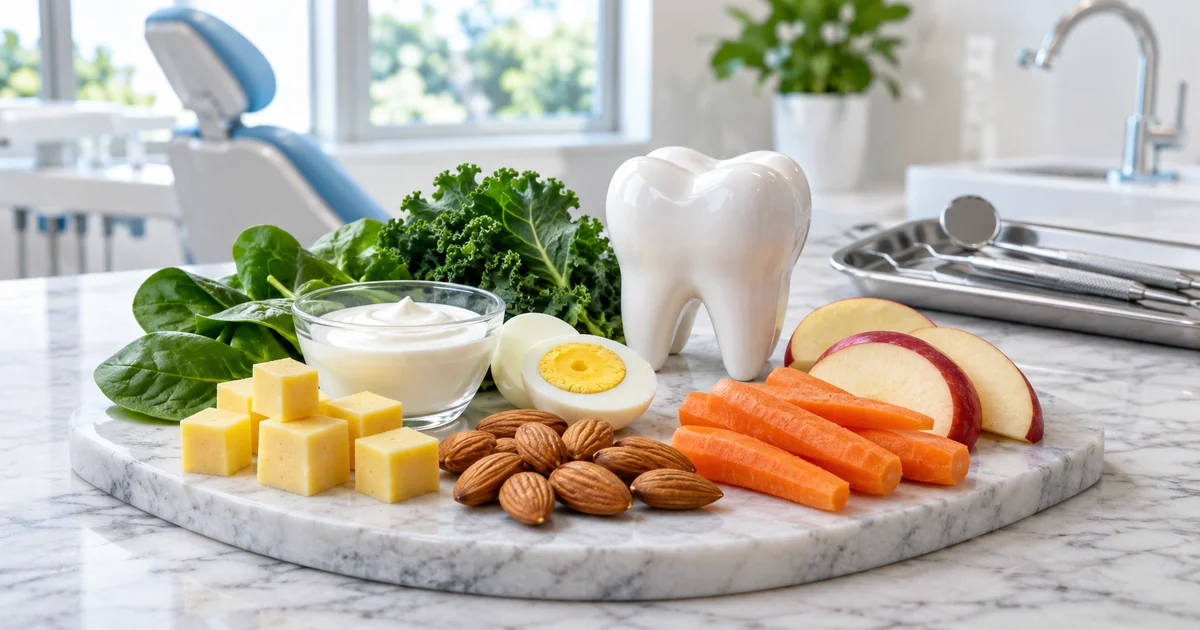
The best foods for strong teeth include calcium-rich dairy products, leafy greens, eggs, fish, nuts, and crunchy fruits and vegetables. These foods provide nutrients such as calcium, phosphorus, vitamin D, and protein that support healthy teeth, bones, and gums. However, no single food can prevent cavities or replace daily oral hygiene. A balanced diet works best alongside fluoride toothpaste, regular cleaning between teeth, and professional dental care.
At Gentle Touch Family Dentistry in Tooele, UT, we help patients understand how everyday food choices affect their oral health. Whether you are preparing meals for your family or looking for healthier snacks, choosing nutritious foods can support your smile without requiring a complicated diet.
Quick Answer: What Foods Are Best for Strong Teeth?
The best foods for strong teeth provide important nutrients while limiting frequent exposure to added sugars and acids.
Calcium and phosphorus help support the mineral structure of teeth. Vitamin D helps the body absorb calcium, while protein and other nutrients contribute to the health and maintenance of oral tissues.
Foods worth including in a balanced diet include:
- Milk, cheese, and plain yogurt: Provide calcium, protein, and phosphorus.
- Leafy green vegetables: Offer important vitamins and minerals, including calcium in certain varieties.
- Eggs: Contain protein, phosphorus, and some vitamin D.
- Fish: Provide protein and phosphorus, while certain fatty fish contain vitamin D.
- Nuts and seeds: Supply minerals, protein, and other nutrients.
- Apples, carrots, and celery: Offer fiber and can encourage chewing and saliva production.
- Beans and lentils: Provide plant-based protein, phosphorus, and other minerals.
- Fortified dairy alternatives: May supply calcium and vitamin D, depending on the product.
These foods contribute to overall nutrition, which supports oral health.
However, healthy teeth depend on more than what you eat.
Plaque bacteria, fluoride exposure, saliva, brushing habits, and individual dental risk factors also influence whether cavities develop.
A nutritious diet can support healthy teeth, but it cannot guarantee that tooth decay will never occur.
Why Calcium Matters for Teeth
Calcium is one of the most important minerals involved in the development and maintenance of teeth and bones.
Tooth enamel contains tightly organized mineral crystals, primarily made from calcium and phosphate.
These minerals give enamel its hardness and help it withstand everyday biting and chewing.
Calcium Supports Tooth Development
During childhood, calcium contributes to the formation of developing teeth.
Adequate nutrition is important while primary and permanent teeth are forming.
However, eating additional calcium beyond the body’s needs does not automatically make fully developed enamel thicker or stronger.
Calcium and Enamel Remineralization
Tooth enamel undergoes a continuing process of mineral loss and replacement.
Acids can remove minerals from the enamel surface, while saliva helps provide calcium and phosphate for remineralization.
Fluoride also supports this protective process.
Dietary calcium contributes to the body’s overall mineral needs, but food alone cannot reverse a cavity that has already formed.
Calcium-Rich Foods
Good dietary sources include:
- Milk.
- Plain yogurt.
- Cheese.
- Calcium-fortified soy milk.
- Calcium-set tofu.
- Canned salmon or sardines with edible bones.
- Kale and certain other leafy greens.
Some plant foods contain calcium that is less readily absorbed because of naturally occurring compounds.
For example, spinach contains calcium, but its oxalate content limits how much the body absorbs.
What If You Avoid Dairy?
People who are lactose intolerant or follow a dairy-free diet can obtain calcium from other foods.
Fortified beverages, tofu, leafy greens, and certain fish may help meet nutritional needs.
Check nutrition labels because calcium content varies considerably among products.
Do You Need Calcium Supplements?
Not everyone needs a supplement.
Taking extra calcium does not automatically prevent cavities and may be inappropriate for some people.
Patients concerned about calcium intake should discuss their diet and medical needs with a qualified healthcare professional.
The goal is adequate nutrition, not excessive supplementation.
Foods Rich in Phosphorus
Phosphorus is another mineral essential for healthy teeth and bones.
Together with calcium, it contributes to the mineral structure that gives teeth their strength.
Phosphorus is also involved in many normal functions throughout the body.
How Phosphorus Supports Teeth
Calcium and phosphate are components of hydroxyapatite, the primary mineral found in tooth enamel.
Saliva naturally contains minerals that can support remineralization of early enamel changes.
However, consuming phosphorus-rich foods does not directly repair missing enamel or eliminate the need for dental treatment.
Animal-Based Sources
Many protein-rich foods contain phosphorus, including:
- Chicken and turkey.
- Fish and seafood.
- Eggs.
- Beef and other meats.
- Milk and yogurt.
- Cheese.
These foods can contribute to several nutritional needs at once.
Plant-Based Sources
People who prefer plant-based meals can obtain phosphorus from foods such as:
- Lentils.
- Beans.
- Nuts.
- Seeds.
- Whole grains.
- Tofu and other soy products.
The absorption of phosphorus varies depending on the food source.
Why Food Variety Matters
It is generally better to obtain nutrients through a varied diet than to focus excessively on one mineral.
For example, eggs provide protein and phosphorus, while vegetables contribute fiber and vitamins.
Eating different nutrient-dense foods supports oral health and overall nutrition.
Can You Have Too Much Phosphorus?
Most healthy people obtain sufficient phosphorus through food.
However, individuals with certain kidney conditions may need to manage phosphorus intake.
They should follow recommendations from their medical team rather than increasing phosphorus-rich foods solely for dental health.
How Vitamin D Supports Oral Health
Vitamin D helps the body absorb calcium and maintain appropriate mineral levels.
It plays an important role in bone health and normal mineral metabolism.
This makes it relevant to dental development and the structures that support teeth.
Vitamin D Helps With Calcium Absorption
Without sufficient vitamin D, the body cannot absorb calcium as efficiently.
This can affect normal bone mineralization and development.
Vitamin D is particularly important during periods of growth.
Does Vitamin D Prevent Cavities?
Adequate vitamin D supports normal health, but it should not be considered a standalone cavity-prevention treatment.
Tooth decay involves several factors, including oral bacteria, fermentable carbohydrates, fluoride exposure, and hygiene habits.
Taking vitamin D supplements does not guarantee protection against cavities.
Foods Containing Vitamin D
Dietary sources include:
- Salmon.
- Trout.
- Sardines.
- Egg yolks.
- Fortified milk.
- Fortified plant-based beverages.
- Certain fortified breakfast cereals.
Naturally occurring vitamin D is relatively limited in many foods.
Fortified products can therefore contribute to daily intake.
What About Sunlight?
The body can produce vitamin D when skin is exposed to sunlight.
However, production varies with skin characteristics, season, clothing, location, and other factors.
Excessive sun exposure creates skin health risks and should not be recommended as a dental treatment.
Are Supplements Necessary?
Some people may benefit from vitamin D supplementation due to dietary limitations or medical circumstances.
A healthcare professional can help determine whether supplementation is appropriate.
Patients should avoid taking high doses without medical advice.
At Gentle Touch Family Dentistry, we encourage balanced nutrition while recognizing that vitamin D concerns may require guidance from a physician or registered dietitian.
Crunchy Fruits and Vegetables for Teeth
Crunchy fruits and vegetables are frequently described as foods that help clean teeth.
There is some practical value to choosing these foods, but they should not be treated as substitutes for brushing or flossing.
Their main benefits come from their nutrients, water content, fiber, and the chewing they encourage.
Apples
Apples provide fiber and other nutrients.
Chewing an apple can stimulate saliva production.
However, apples contain natural sugars and acids, so they do not clean teeth in the same way as a toothbrush.
Eating a whole apple is generally preferable to slowly sipping sweetened apple juice throughout the day.
Carrots
Raw carrots offer a satisfying crunch, fiber, and nutrients such as beta-carotene.
They can be a convenient alternative to sticky candy or sugary snacks.
However, carrots do not remove all plaque from tooth surfaces.
Celery
Celery contains water and fiber.
Its crunchy texture encourages chewing, which stimulates saliva.
Saliva helps dilute and neutralize acids and supports the mouth’s natural protective processes.
Cucumbers
Fresh cucumbers are another water-rich option.
They can be included in meals or snacks with minimal added sugar.
Leafy Greens
Spinach, kale, and other leafy vegetables contribute vitamins and minerals to a balanced diet.
However, the amount and availability of calcium differ by vegetable.
Why Saliva Matters
Saliva plays several protective roles.
It helps:
- Wash away some food particles.
- Dilute acids.
- Maintain a more balanced oral environment.
- Supply minerals involved in remineralization.
- Support comfortable chewing and swallowing.
Crunchy foods may encourage saliva production, but they do not replace proper oral hygiene.
A Note About Hard Foods
Patients with cracked teeth, sensitive teeth, or certain dental restorations may need to avoid biting directly into very hard foods.
Cooked vegetables or smaller pieces may be more comfortable.
The healthiest food choice is one that supports your nutrition without creating unnecessary discomfort or damage.
Dairy Foods and Tooth Enamel
Dairy products can be useful additions to a tooth-friendly diet because they often provide calcium, phosphorus, and protein.
Some dairy foods may also help reduce the effects of acids in the mouth.
However, the nutritional profile depends on the specific product.
Cheese
Cheese is a source of calcium and phosphorus.
Chewing cheese stimulates saliva, which can help neutralize acids.
Cheese may be a practical snack alternative to candy or sugary baked goods.
However, it is not a replacement for fluoride or dental care.
Plain Yogurt
Unsweetened yogurt provides protein and calcium.
Certain varieties may also contain vitamin D if fortified.
Flavored yogurts can contain substantial added sugar, so checking the nutrition label is helpful.
Milk
Milk provides calcium, phosphorus, and protein.
Fortified milk can also provide vitamin D.
However, sipping milk continuously throughout the day or allowing a child to sleep with a bottle containing milk can increase the frequency of sugar exposure to teeth.
Milk contains lactose, a naturally occurring sugar.
It should be consumed as part of appropriate meals and routines rather than treated as harmless to teeth under every circumstance.
Lactose-Free Milk
Lactose-free dairy milk generally retains important nutrients such as calcium and protein.
It may be a suitable option for people who have difficulty digesting lactose.
Plant-Based Alternatives
Soy, almond, and oat beverages vary considerably in nutritional content.
Some are fortified with calcium and vitamin D.
Others contain less protein or include added sugars.
Choose unsweetened, fortified products when appropriate and review the label.
Can Dairy Repair Enamel?
Dairy foods support mineral intake, but they cannot regrow enamel that has been physically lost.
Early enamel demineralization may respond to fluoride, saliva-supported remineralization, and other preventive measures.
Established cavities require professional evaluation.
Foods That Support Healthy Gums
Healthy teeth depend on healthy supporting tissues.
The gums and underlying structures help keep teeth stable and functioning comfortably.
A balanced diet contributes nutrients needed for tissue maintenance and normal healing.
Vitamin C-Rich Foods
Vitamin C supports collagen formation and normal tissue repair.
Foods containing vitamin C include:
- Bell peppers.
- Strawberries.
- Broccoli.
- Oranges.
- Kiwi.
- Tomatoes.
Severe vitamin C deficiency can contribute to gum problems, but eating extra vitamin C does not automatically treat gingivitis or periodontitis.
Protein-Rich Foods
Protein supports normal tissue growth and repair.
Useful sources include fish, eggs, poultry, beans, lentils, tofu, and dairy products.
A balanced protein intake contributes to general health, including the maintenance of oral tissues.
Foods Containing Healthy Fats
Fish, walnuts, seeds, and certain plant oils provide unsaturated fats.
Some foods also contain omega-3 fatty acids.
These nutrients are relevant to general health, but no single food has been proven to cure gum disease.
Whole Grains
Whole grains can contribute fiber, vitamins, and minerals.
Choosing minimally processed grains as part of a balanced diet may support general health.
However, starchy foods can still contribute to cavity risk when frequently consumed and retained on tooth surfaces.
Water
Drinking water supports hydration and saliva production.
Fluoridated water can provide an additional benefit for cavity prevention.
Plain water is generally a better everyday beverage choice for teeth than sugary drinks.
Why Nutrition Alone Is Not Enough
Gum disease involves bacterial plaque and the body’s inflammatory response.
A healthy diet supports normal tissue function, but it does not remove plaque or tartar.
Patients experiencing persistent gum bleeding, swelling, or recession should schedule a dental examination.

What Foods and Drinks Can Increase Cavity Risk?
A tooth-friendly diet is not simply about adding nutritious foods.
It also involves understanding how certain eating and drinking patterns affect oral bacteria and enamel.
Sugary Beverages
Soda, sweetened coffee, energy drinks, and many fruit beverages contain added sugars.
Oral bacteria use fermentable carbohydrates to produce acids that can contribute to tooth decay.
Frequent sipping creates repeated exposure.
Sticky Candy
Caramels, gummies, and similar candies may remain on tooth surfaces for extended periods.
Their sugar content and retention can contribute to cavity risk.
Frequent Starchy Snacks
Crackers, chips, and other refined starches can break down into sugars.
Eating them frequently may support ongoing acid production by oral bacteria.
Acidic Beverages
Soda, citrus juices, sports drinks, and some flavored waters can contribute to dental erosion.
Erosion differs from tooth decay because it involves chemical loss of tooth structure through acids that are not produced by plaque bacteria.
Some drinks are both acidic and sugary, creating separate concerns.
Dried Fruit
Dried fruit provides certain nutrients but may be sticky and concentrated in natural sugars.
It can still be part of a balanced diet, but portion size and frequency matter.
Constant Snacking
Eating frequently throughout the day can create repeated acid challenges.
Having snacks at planned times instead of grazing continuously may reduce the frequency of exposure.
Practical Ways to Reduce Risk
Consider these habits:
- Choose plain water as your primary beverage.
- Limit frequent sipping of sugary drinks.
- Enjoy sweets with meals rather than repeatedly throughout the day.
- Select lower-sugar snacks when possible.
- Check labels for added sugars.
- Continue brushing with fluoride toothpaste.
- Maintain regular dental appointments.
Patients do not need to eliminate every sweet or acidic food.
A sustainable approach focuses on moderation, frequency, and good oral hygiene.
Why Diet Does Not Replace Brushing and Dental Cleanings
Eating nutritious foods supports oral health, but it does not remove bacterial plaque from every tooth surface.
Even patients who follow a balanced diet can develop cavities or gum disease.
That is why nutrition should be considered one part of preventive dental care.
Plaque Forms Naturally
Dental plaque is a bacterial biofilm that develops on tooth surfaces.
Bacteria can use carbohydrates from many foods to produce acids.
Without effective plaque control, the risk of decay and gum inflammation may increase.
Brushing Removes Plaque
The American Dental Association recommends brushing twice daily for two minutes with fluoride toothpaste.
Fluoride helps protect enamel against acid-related mineral loss.
A soft-bristled toothbrush and gentle technique can clean teeth without unnecessary pressure.
Cleaning Between Teeth Matters
Toothbrush bristles cannot effectively clean every space between neighboring teeth.
Floss or another appropriate interdental tool helps remove plaque from these areas.
Daily interdental cleaning supports gum health.
Professional Cleanings Remove Tartar
Plaque that hardens into tartar cannot be removed through ordinary home brushing.
Professional dental cleaning helps remove these deposits.
Dental Exams Identify Problems
Some dental conditions do not produce noticeable pain.
Routine examinations allow us to assess the teeth, gums, and other oral tissues for changes requiring attention.
Nutrition Cannot Repair Every Dental Problem
Calcium-rich foods cannot rebuild a broken tooth.
Vitamin C cannot eliminate established periodontal disease.
A nutritious diet also cannot replace treatment for a cavity that has developed structural damage.
Prevention Works Best as a Combination
The most effective routine combines balanced nutrition, appropriate fluoride exposure, daily plaque removal, and professional care based on individual needs.
At Gentle Touch Family Dentistry, our Teeth Cleaning services help patients manage plaque and tartar while maintaining healthy daily habits.
Preventive Dental Care in Tooele
Healthy eating habits are an important part of protecting your teeth, but every patient has different nutritional preferences, dental risks, and oral health needs.
At Gentle Touch Family Dentistry, we provide preventive dental care for individuals and families throughout Tooele, UT, and surrounding communities.
Our team helps patients understand how everyday choices may influence their teeth and gums.
Discussing Your Daily Habits
During an appointment, we may ask about beverages, snacks, brushing, flossing, and other habits that affect oral health.
These conversations help us offer recommendations based on your actual routine.
Identifying Cavity Risk Factors
Frequent sugar exposure, dry mouth, previous cavities, and certain medical conditions can influence cavity risk.
We consider these factors when recommending preventive care.
Supporting Healthy Gums
Professional examinations and cleanings help identify plaque accumulation, gum inflammation, and other concerns.
We can also discuss effective home care techniques.
Protecting Developing Teeth
Children and teenagers benefit from adequate nutrition during growth.
We help parents understand the importance of fluoride, age-appropriate brushing, and regular examinations.
Individualized Preventive Recommendations
Not every patient needs the same cleaning schedule or preventive treatment.
We tailor recommendations to the patient’s oral health and clinical findings.
Our Preventive Dentistry services focus on helping patients maintain healthy teeth and gums through examinations, professional cleanings, and appropriate preventive treatment.
Whether you want to reduce cavity risk, improve your family’s eating habits, or understand which foods support enamel health, we can discuss practical steps during your dental visit.
FAQs About Foods for Healthy Teeth
What foods make your teeth stronger?
Calcium-rich foods such as milk, cheese, yogurt, fortified alternatives, and certain leafy greens support mineral needs. Phosphorus-rich foods and adequate vitamin D also contribute to normal tooth development and mineral health.
Are apples and carrots good for your teeth?
Yes. Apples and carrots provide fiber and nutrients, and chewing them stimulates saliva. However, they do not replace brushing or flossing and cannot remove all plaque.
Does drinking milk prevent cavities?
Milk provides nutrients that support healthy teeth, but it does not guarantee cavity prevention. Frequent exposure to milk sugars, particularly during overnight bottle-feeding, can still contribute to tooth decay.
Which vitamins are important for healthy gums?
Vitamin C supports collagen formation and normal tissue maintenance. Adequate vitamin D and balanced nutrition also support overall health. Vitamins do not replace professional treatment for gum disease.
What is the best drink for healthy teeth?
Plain water is generally the best everyday choice. It helps maintain hydration and rinse away food particles, while fluoridated water provides additional cavity-protective benefits.
Can eating healthy foods reverse tooth decay?
A balanced diet can support oral health, but it cannot repair an established cavity. Early enamel mineral loss may be managed with fluoride and preventive care, while more advanced decay may require dental treatment.
Build a Healthier Smile With Gentle Touch Family Dentistry
The foods you eat every day can make a meaningful difference in your overall health, including the health of your teeth and gums.
Calcium-rich dairy products, protein sources, vegetables, fruits, and other nutritious foods provide the building blocks your body needs. Choosing water more often and limiting frequent sugary snacks can also help reduce unnecessary acid exposure.
At Gentle Touch Family Dentistry, we help patients throughout Tooele, UT, make informed choices about their oral health.
Our team provides preventive examinations, professional teeth cleanings, and personalized recommendations to help patients care for their smiles at home.
Whether you have questions about cavity prevention, gum health, fluoride, or the effects of your diet, we can help you understand which habits may be beneficial.
We recognize that no single food or supplement can prevent every dental problem.
Instead, we encourage a realistic approach that combines balanced nutrition, consistent brushing and flossing, and appropriate professional care.
Choosing the best foods for strong teeth is a useful step, but understanding your personal dental needs is equally important.
Schedule a dental appointment with Gentle Touch Family Dentistry in Tooele, UT. Call (435) 882-3700 or visit our office at 271 S Main St, Tooele, UT 84074 to discuss preventive care and your oral health.
We look forward to helping you and your family build healthy habits that support strong teeth and comfortable smiles.