Table of Contents
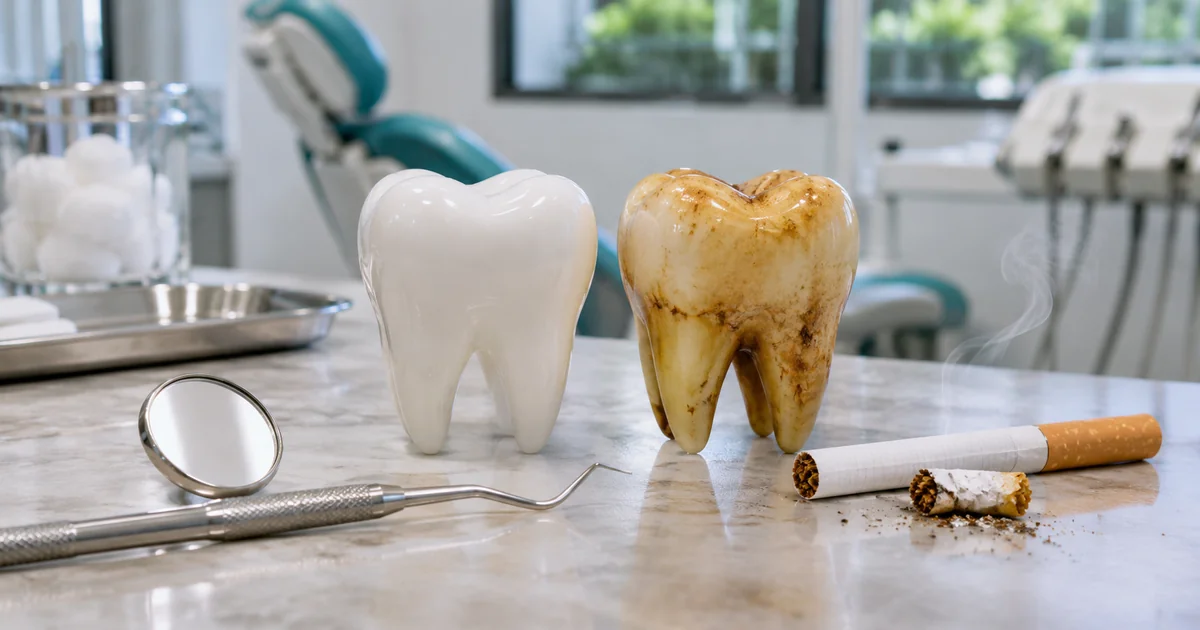
Smoking affects your teeth and gums by increasing the risk of gum disease, staining enamel, contributing to bad breath, and slowing healing after dental treatment. Tobacco smoke can interfere with the body’s response to oral infections and increase the likelihood of tooth loss. Some changes may improve after quitting, while others, including significant gum recession and bone loss, may require professional treatment.
At Gentle Touch Family Dentistry in Tooele, UT, we help patients understand how smoking influences their oral health without judgment. Whether you currently smoke, are considering quitting, or have already stopped, knowing what happens inside your mouth can help you make informed decisions about caring for your smile.
Quick Answer: How Does Smoking Affect Your Smile?
Smoking can affect both the appearance and health of your teeth, gums, and surrounding oral tissues.
While yellow or brown tooth stains are often the most visible changes, smoking can also contribute to problems that are not immediately noticeable.
Tobacco exposure affects the body’s immune response, making it more difficult to fight certain infections and heal damaged tissues.
Common oral health effects of smoking include:
- Yellow or brown discoloration on tooth surfaces.
- Persistent bad breath.
- Increased risk of gingivitis and periodontitis.
- Greater likelihood of gum recession and bone loss.
- Increased risk of loose teeth and tooth loss.
- Slower healing after certain dental procedures.
- Reduced effectiveness of some periodontal treatments.
- Increased risk of oral and throat cancers.
- Changes in taste and smell.
- Greater risk of certain dental infections and complications.
These effects do not develop identically in every patient.
The frequency and duration of smoking, daily oral hygiene, medical conditions, and individual susceptibility can all influence oral health.
According to the Centers for Disease Control and Prevention (CDC), people who smoke have approximately twice the risk of gum disease compared with nonsmokers.
However, smoking does not guarantee that someone will develop every condition listed above.
The important point is that tobacco use increases several preventable oral health risks.
Understanding how smoking affects your teeth and gums can help you recognize changes that deserve professional attention.
How Smoking Stains Teeth
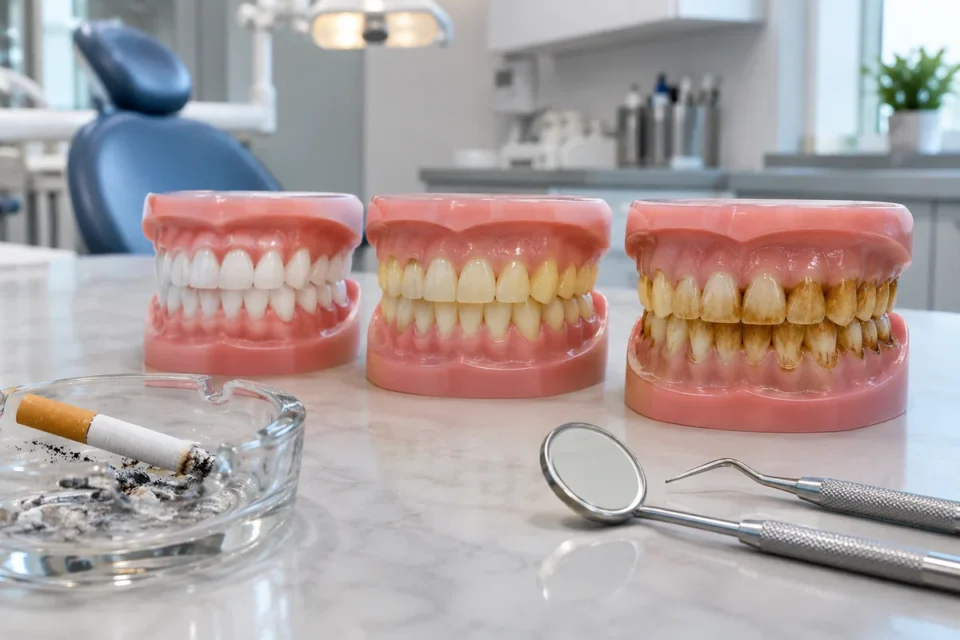
One of the most noticeable effects of smoking is gradual tooth discoloration.
Tobacco smoke contains compounds that contribute to the accumulation of stains on tooth surfaces.
Over time, teeth may develop yellow, brown, or darker areas.
Why Tobacco Causes Discoloration
Smoking exposes the mouth to nicotine and tobacco-related compounds.
These substances can contribute to external staining, especially when smoking is frequent.
The discoloration may become more noticeable along the gumline, between teeth, or in areas where plaque and tartar accumulate.
Why Stains Can Become More Visible
Surface stains may accumulate gradually.
Patients who smoke regularly may notice their teeth becoming darker even when they brush consistently.
However, brushing and flossing remain important because plaque buildup can make discoloration more pronounced.
Can Toothpaste Remove Smoking Stains?
Some whitening toothpastes can help remove mild external stains.
However, they may not eliminate more persistent discoloration.
Aggressive brushing or highly abrasive products can damage tooth surfaces and irritate gums.
Patients should avoid attempting to scrape away stains with household tools.
Can Professional Cleaning Help?
Professional dental cleaning can remove plaque, tartar, and certain external stains.
This may improve the appearance of teeth without changing their natural internal color.
However, some stains may remain after cleaning.
What About Teeth Whitening?
Professional whitening may improve certain types of discoloration.
Results depend on the condition of the teeth and the cause of staining.
Continued smoking can contribute to new staining after treatment.
Whitening also does not reverse gum disease, repair enamel damage, or eliminate other tobacco-related health risks.
At Gentle Touch Family Dentistry, we evaluate the condition of your teeth and gums before discussing cosmetic concerns.
Why Smoking Can Cause Bad Breath
Smoking can contribute to persistent bad breath, also called halitosis.
The problem may involve tobacco odor, dry mouth, plaque buildup, and gum disease.
These factors can occur together.
Tobacco Smoke Leaves an Odor
Smoking introduces compounds that can leave an unpleasant smell in the mouth.
The odor may remain even after someone finishes a cigarette.
Breath mints or chewing gum may temporarily cover the smell but do not address its source.
Smoking Can Contribute to Dry Mouth
Saliva helps rinse away food particles, maintain a balanced oral environment, and reduce the buildup of odor-producing substances.
Smoking can contribute to reduced saliva flow or symptoms of oral dryness.
When the mouth is dry, bad breath may become more noticeable.
Gum Disease Can Also Affect Breath
Gum inflammation and periodontal disease may contribute to persistent unpleasant breath.
Bacteria and debris can accumulate in deeper spaces around affected teeth.
This problem cannot always be resolved through ordinary mouthwash.
Plaque and Tartar Matter
Inadequate plaque control can contribute to odor.
Professional cleanings and consistent home care help manage plaque and tartar buildup.
Can Mouthwash Fix Smoking-Related Bad Breath?
Mouthwash may temporarily improve breath.
However, it cannot reverse periodontal damage or eliminate the effects of continued tobacco use.
Alcohol-containing mouthwash may also worsen dryness for some patients.
What Can Help?
Patients can benefit from drinking water, brushing twice daily, cleaning between teeth, and scheduling appropriate dental care.
Quitting smoking addresses an important contributing factor.
If bad breath persists despite good oral hygiene, we can evaluate whether gum disease, decay, dry mouth, or another condition may be involved.
How Smoking Affects Gum Health
Smoking is a major risk factor for periodontal disease.
Periodontal disease affects the gums and the structures supporting the teeth.
It can progress over time, sometimes without obvious discomfort.
Smoking Affects the Immune Response
Your immune system helps protect the gums against bacterial infection.
Smoking interferes with normal immune function and the body’s ability to respond effectively to periodontal bacteria.
This can increase the risk of gum disease and make treatment more challenging.
Gum Inflammation May Be Less Noticeable
Bleeding is a common sign of gum inflammation.
However, smoking can alter blood flow and inflammatory responses in the gums.
As a result, some people who smoke may have significant periodontal problems without the amount of visible bleeding they would otherwise expect.
The absence of bleeding does not necessarily mean the gums are healthy.
How Gingivitis Develops
Gingivitis is inflammation of the gums, commonly associated with plaque accumulation.
Possible signs include swelling, redness, tenderness, and bleeding.
In many cases, gingivitis can improve through effective plaque control and appropriate professional care.
However, smokers should not rely on visible symptoms alone.
What Is Periodontitis?
Periodontitis is a more advanced form of periodontal disease that affects the tissues and bone supporting the teeth.
Possible findings include:
- Gum recession.
- Deeper periodontal pockets.
- Loss of supporting bone.
- Changes in tooth position.
- Loose teeth.
- Discomfort when chewing.
Periodontitis requires professional assessment and management.
Does Smoking Affect Gum Disease Treatment?
Yes.
Smoking can reduce the effectiveness of some periodontal treatments and interfere with healing.
However, treatment can still provide important benefits.
Patients should not avoid dental appointments because they smoke.
Why Regular Examinations Matter
During dental examinations, we evaluate gum health, look for inflammation and recession, and assess the supporting tissues when appropriate.
Periodontal measurements and dental X-rays may be recommended based on clinical findings.
Our Periodontal Treatment services can help patients address gum disease and understand available treatment options.
Can Smoking Increase the Risk of Tooth Loss?
Yes. Smoking increases the risk of tooth loss, particularly because of its relationship with periodontal disease.
The supporting tissues and bone around teeth are essential for keeping them stable.
When advanced gum disease damages these structures, teeth may become loose.
How Gum Disease Can Lead to Tooth Loss
Periodontal disease can cause progressive damage to the gums and supporting bone.
As support is lost, a tooth may become mobile.
In advanced cases, extraction may be necessary.
Smoking Increases Periodontal Risk
The CDC identifies cigarette smoking as a major contributor to severe gum disease.
Longer smoking duration and heavier tobacco exposure are associated with greater risk.
However, individual outcomes vary.
Cavities Can Also Contribute
Smoking is associated with higher rates of untreated tooth decay.
Decay can weaken tooth structure and may eventually lead to tooth loss when extensive damage cannot be restored.
Are Loose Teeth Always Caused by Smoking?
No.
Loose teeth may result from advanced periodontal disease, trauma, excessive biting forces, or other conditions.
A dental examination is necessary to identify the cause.
Can Loose Teeth Be Saved?
The answer depends on the extent of damage and remaining support.
Some teeth may benefit from periodontal treatment and ongoing monitoring.
Others may have a poor prognosis.
Treatment decisions should be based on clinical findings rather than assuming every loose tooth must be removed.
Why Early Care Helps
Recognizing periodontal disease before substantial bone loss occurs may improve the opportunity to manage the condition.
However, treatment cannot guarantee that every affected tooth will be preserved.
Quitting smoking can help reduce ongoing risks while supporting professional periodontal care.
How Smoking Can Slow Healing After Dental Treatment
Healing is an important part of many dental procedures.
Whether a patient has a tooth removed, undergoes periodontal treatment, or receives oral surgery, the surrounding tissues need time to recover.
Smoking can interfere with that process.
Reduced Tissue Healing
Tobacco smoke contains substances that affect circulation, inflammation, and the body’s normal healing response.
These effects can make recovery more difficult.
Healing After Tooth Extraction
After a tooth is removed, a blood clot forms in the socket.
This clot helps protect the area during early healing.
Smoking after extraction increases the risk of complications, including dry socket.
Dry socket can cause significant pain when the protective clot is lost or disrupted.
Periodontal Treatment Recovery
Smoking can interfere with the healing response after gum treatment.
Patients who smoke may experience less favorable periodontal treatment outcomes than nonsmokers.
However, the result depends on several factors, including disease severity and ongoing plaque control.
Dental Implant Considerations
Smoking is associated with an increased risk of certain dental implant complications, including implant failure and peri-implant disease.
Patients considering implants should discuss tobacco use and individual risk factors with their dentist.
Should You Stop Smoking Before Dental Procedures?
Avoiding smoking around dental treatment can be beneficial.
The appropriate timing depends on the procedure and your overall health.
Follow the specific instructions provided by your treating dentist or oral surgeon.
Why Honest Communication Matters
Tell your dental team if you currently smoke or use other tobacco products.
This information helps us evaluate healing risks and plan appropriate care.
We approach these conversations without judgment because accurate medical history supports safer treatment decisions.
What Happens to Oral Health After Quitting?
Quitting smoking can benefit oral health at any age.
It reduces continued exposure to tobacco smoke and can improve the body’s ability to respond to infection and heal.
However, the effects vary based on the patient’s existing dental condition and smoking history.
Reduced Ongoing Tobacco Exposure
Once smoking stops, teeth and gums are no longer repeatedly exposed to tobacco smoke.
This can help limit additional tobacco-related staining and irritation.
Existing stains may still require professional cleaning.
Improved Healing Potential
Smoking cessation can improve the body’s healing response.
This may support recovery after periodontal treatment or other dental procedures.
However, improvements do not happen at exactly the same rate for everyone.
Lower Risk of Further Periodontal Damage
Quitting smoking can reduce future periodontal disease risk.
For patients who already have periodontitis, smoking cessation may help improve treatment outcomes.
However, it does not automatically restore bone that has already been lost.
Breath May Improve
Removing tobacco smoke exposure can help reduce one source of bad breath.
However, other causes such as gum disease or dry mouth may still need attention.
Taste and Smell May Improve
Smoking can affect taste and smell.
Many people notice improvement after quitting, although the degree and timing vary.
Oral Cancer Risk Can Decline
Stopping tobacco use reduces the risk of several tobacco-related cancers over time.
However, quitting does not immediately eliminate all cancer risk.
Patients should continue reporting persistent mouth sores, unusual patches, lumps, or other concerning changes.
Support Is Available
Quitting can be difficult because nicotine is addictive.
Patients who want help may speak with a physician or other qualified healthcare professional about evidence-based cessation support.
The free national quitline, 1-800-QUIT-NOW, can also connect people with smoking cessation resources.
The important point is that oral health benefits are possible even after years of smoking.
Can Professional Dental Care Reverse Smoking Damage?
Professional dental care can help address many smoking-related oral health problems.
However, not every change is reversible.
The outcome depends on the type and severity of the damage.
Surface Staining
Many external tobacco stains can improve with professional cleaning.
Whitening may help with some remaining discoloration.
However, continued smoking may cause stains to return.
Gingivitis
Plaque-related gingivitis is often reversible with improved oral hygiene and appropriate professional care.
Patients may notice healthier gum tissue as inflammation resolves.
Periodontitis
Advanced periodontal disease can cause permanent loss of supporting bone and tissue.
Treatment focuses on controlling infection and inflammation, slowing further damage, and maintaining affected teeth when possible.
It does not automatically restore all lost structures.
Gum Recession
Received gum tissue generally does not grow back on its own.
Certain patients may benefit from specialized periodontal procedures, depending on the condition.
However, not everyone needs or is a candidate for surgical treatment.
Tooth Decay
Professional care can address cavities and damaged teeth.
Early enamel mineral loss may be managed preventively, while established cavities may require restorations.
Tooth Loss
A missing permanent tooth does not naturally grow back.
Replacement options may include bridges, dentures, or dental implants when appropriate.
However, treatment depends on periodontal health, medical history, and individual circumstances.
Oral Tissue Changes
Some tobacco-related tissue changes may improve after smoking cessation.
However, persistent or suspicious lesions require professional evaluation.
A dentist may recommend biopsy or specialist referral when necessary.
The best approach is to identify existing problems and discuss realistic treatment goals.
How Preventive Care Helps Protect Your Smile
Preventive dental care remains important for everyone, including people who currently smoke or previously used tobacco.
Regular appointments can help identify problems that may not cause obvious symptoms.
Professional Dental Examinations
During a routine examination, we evaluate the teeth, gums, and relevant oral tissues.
We may identify signs of decay, recession, gum inflammation, or other concerns.
Additional testing may be recommended when needed.
Periodontal Monitoring
Patients who smoke may have periodontal disease without pronounced gum bleeding.
Periodontal measurements and appropriate imaging can help evaluate supporting tissues.
The recommended follow-up schedule depends on individual risk and clinical findings.
Dental Cleanings
Professional cleaning removes plaque and tartar that cannot be eliminated through ordinary home care.
It may also reduce certain external tobacco stains.
However, cleaning alone cannot reverse advanced periodontal damage.
Oral Tissue Evaluation
Smoking increases the risk of oral cancer.
Dental examinations provide an opportunity to evaluate visible oral tissues for unusual changes.
A screening examination cannot diagnose cancer or detect every abnormality.
Suspicious findings may require prompt specialist evaluation or biopsy.
Daily Home Care
Helpful habits include:
- Brushing twice daily with fluoride toothpaste.
- Using a soft-bristled toothbrush.
- Cleaning between teeth once daily.
- Drinking water regularly.
- Limiting frequent sugary snacks and drinks.
- Following recommended periodontal care.
- Seeking assistance with smoking cessation when ready.
Individualized Recommendations
Some patients need more frequent periodontal monitoring or maintenance.
Others may have stable oral health and follow a different schedule.
Our Preventive Dentistry services help us provide care based on each patient’s dental condition and needs.
Periodontal Care in Tooele
Smoking can affect the appearance of your teeth, but gum health is often the more important long-term concern.
Because periodontal disease can develop gradually, some patients do not realize that supporting tissues have been affected until recession, sensitivity, or tooth mobility becomes noticeable.
At Gentle Touch Family Dentistry, we provide dental examinations and periodontal care for patients in Tooele, UT, and surrounding communities.
Our team evaluates the condition of your gums, identifies possible contributing factors, and discusses appropriate treatment based on clinical findings.
Evaluating Gum Health
During an examination, we assess visible gum changes and may measure periodontal pockets.
Additional imaging may be recommended when we need more information about supporting bones.
Understanding Your Risk Factors
Smoking is one of several factors that can influence periodontal health.
We also consider oral hygiene habits, medical history, medications, and other relevant conditions.
Discussing Treatment Options
Mild gum inflammation may improve with effective plaque control and routine professional care.
More advanced periodontal disease may require scaling and root planing, ongoing periodontal maintenance, or other treatment.
Recommendations depend on the severity of the condition.
Supporting Patients Who Want to Quit
We understand that stopping smoking is a personal process and may require additional support.
Our role is to explain how tobacco affects oral health and encourage patients to seek appropriate cessation resources.
Continuing Care After Quitting
Patients who have stopped smoking may still require treatment for previous periodontal damage.
Routine monitoring can help determine whether their oral health remains stable.
Our goal is to provide clear information and individualized care without judgment.
Whether you currently smoke or have already quit, you deserve dental recommendations based on your actual needs.
FAQs About Smoking and Oral Health
Does smoking always cause gum disease?
No. Not every person who smokes develops gum disease. However, smoking substantially increases the risk and can make periodontal treatment less effective.
Can smoking make your teeth permanently yellow?
Smoking can cause persistent yellow or brown surface stains. Professional cleaning and whitening may improve certain discoloration, but results vary, and continued smoking can cause new stains.
Why do smokers sometimes have less gum bleeding?
Smoking can alter blood flow and inflammatory responses in gum tissue. This may make bleeding less noticeable even when periodontal disease is present.
Do gums heal after quitting smoking?
Quitting can improve healing and reduce ongoing periodontal risk. However, significant gum recession and bone loss generally do not reverse naturally.
How soon can smoking affect healing after a tooth extraction?
Smoking during the early healing period can increase the risk of complications, including dry socket. Follow your dentist’s specific instructions about avoiding tobacco before and after treatment.
Should smokers visit the dentist more often?
Some patients who smoke may benefit from more frequent examinations or periodontal maintenance. The appropriate schedule depends on gum health, disease history, and individual risk factors.
Protect Your Smile With Gentle Touch Family Dentistry
Smoking can contribute to tooth staining, bad breath, gum disease, and slower healing after dental treatment. However, recognizing these risks creates opportunities to protect your oral health.
At Gentle Touch Family Dentistry, we help patients throughout Tooele, UT, understand their dental concerns and explore appropriate care without judgment.
Whether you currently smoke, are working toward quitting, or stopped years ago, our team can evaluate your teeth and gums and discuss any changes that may require attention.
Our services include preventive dental examinations, professional cleanings, periodontal treatment, and restorative care based on individual needs.
We understand that smoking-related oral health effects vary from person to person.
Some concerns, such as external staining or early gum inflammation, may improve with appropriate care. Others, including significant periodontal bone loss, may require ongoing management.
Our goal is to help you understand your oral health and make informed decisions about treatment and prevention.
If you have questions about how smoking affects your teeth and gums, a dental examination can help identify existing problems and determine which next steps may be beneficial.
Schedule an appointment with Gentle Touch Family Dentistry in Tooele, UT. Call (435) 882-3700 or visit our office at 271 S Main St, Tooele, UT 84074.
We are here to help you care for your smile with clear guidance, personalized treatment recommendations, and a supportive approach to long-term oral health.