Table of Contents

A missing tooth makes every meal, photo, and conversation feel stressful, especially when you are unsure whether treatment is worth it. Dental implants can last decades, and the implant post may last a lifetime with healthy bone, home care, and dental visits.
The crown, bridge, or denture attached to the implant may need replacement sooner. The answer depends on planning, placement, bite forces, gum health, medical history, and daily maintenance.
Can dental implants last a lifetime?
Yes, the titanium or ceramic implant placed in the jaw can last a lifetime for some patients. That does not mean every part of the restoration lasts forever.
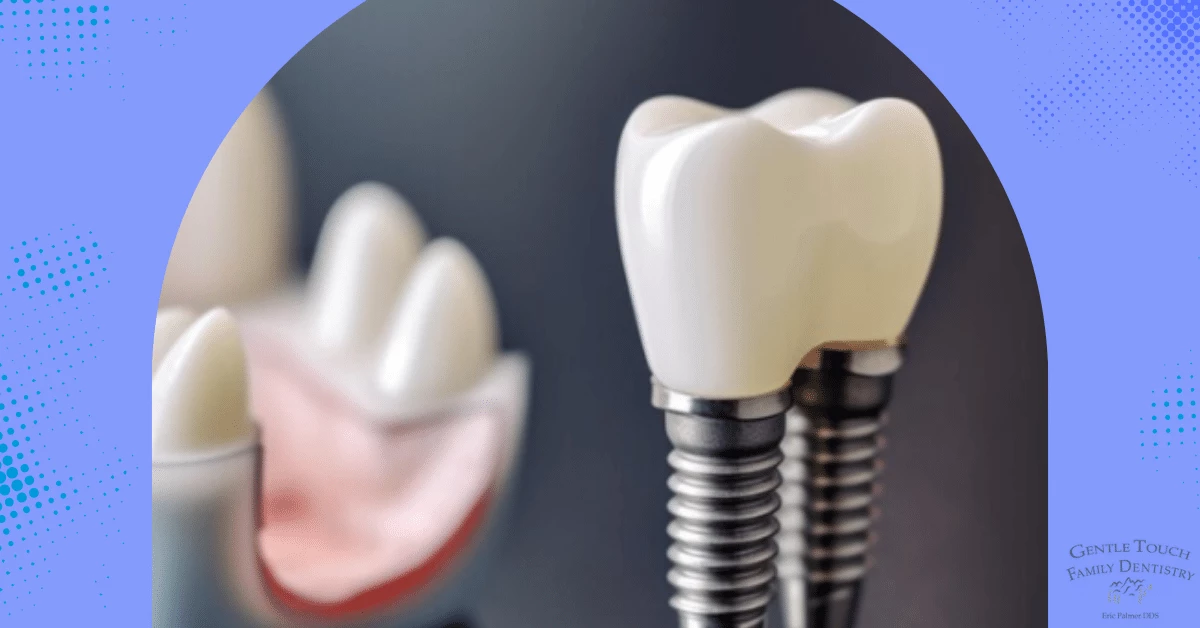
The implant post sits in the bone. The visible tooth, called the crown, takes daily chewing pressure and may wear, chip, loosen, or need replacement later.
What “lifetime” really means
When people ask how long dental implants last, they are often asking about the full tooth replacement. The implant, abutment, and crown have different lifespans.
A well-integrated implant can remain stable for decades. Crowns often need replacement sooner due to wear, bite changes, or cosmetic concerns.
Long life depends on healthy gums, enough bone, careful placement, good materials, and consistent hygiene.
What causes dental implants to fail?
Implants can fail when the bone does not properly bond to the implant, when infection develops, or when too much force overloads the area.
Failure can happen early during healing or later after years of function.
Common risk factors
Smoking, uncontrolled diabetes, untreated gum disease, poor oral hygiene, heavy grinding, weak bone, infection, and missed dental visits can increase risk.
Peri-implantitis is a serious concern. It is inflammation and bone loss around an implant, similar to advanced gum disease around natural teeth. Learn more about dental implants and gum disease and why prevention matters.
Patients can reduce risk by keeping the area clean, wearing a nightguard if recommended, and reporting bleeding, swelling, looseness, or pain early.
A dentist should evaluate symptoms before they become harder to treat.
How often do dental implants need to be replaced?
The implant post does not need routine replacement if it remains healthy and stable. The attached crown, bridge, or denture may need repair or replacement over time.
This is one of the biggest cost questions patients should ask before treatment.
Cost and replacement expectations
A crown replacement costs less than replacing a failed implant, but it is still a future expense to plan.
Costs vary by provider, material, location, imaging, grafting needs, and restoration type. Single implants usually cost more upfront than bridges or dentures, but they may offer better long-term value when maintained well.
For patients comparing options, understanding whether dental implants are worth it can help put the higher upfront cost into context with their potential comfort, function, durability, and long-term value.
Ask for a written estimate that separates surgery, abutment, crown, bone grafting, temporary teeth, follow-up visits, and possible maintenance.
How do you care for dental implants to make them last longer?
Implants need daily cleaning, just like natural teeth. Brush twice daily, clean between teeth, and follow the specific tools your dental team recommends.
Some patients need floss threaders, interdental brushes, water flossers, or special implant-safe instruments.
What patients can safely do at home
You can keep plaque low, avoid tobacco, limit biting on hard objects, wear a nightguard if prescribed, and keep medical conditions managed.
You should not ignore bleeding, bad taste, gum swelling, shifting bite, or a loose crown.
Your dental team should handle implant exams, professional cleanings, X-rays when needed, bite checks, and treatment for inflammation. Routine teeth cleanings and periodontal treatment when needed help protect long-term implant health.
Good care protects both the implant and the surrounding bone.
What is the success rate of dental implants?
Dental implants have high success rates when patients are properly selected, treatment is well planned, and maintenance is consistent. Many studies and dental organizations report success rates commonly around the mid-90 percent range.
Success does not mean risk-free. It means most implants function well when conditions are favorable.
Why success rates vary
Success depends on the dentist’s training, implant position, bone quality, gum health, surgical planning, restoration design, medical history, and patient habits.
A healthy nonsmoker with good bone and excellent hygiene has a better outlook than someone with active gum disease, heavy grinding, or uncontrolled diabetes.
This is why determining whether you are a good candidate for dental implants is such an important part of treatment planning before surgery begins.
Patients should ask about experience, technology, treatment sequence, alternatives, risks, and what happens if complications occur.
Do dental implants require special maintenance?
Yes, but special does not mean difficult. Dental implants need consistent home care and professional monitoring because they do not have the same natural attachment as teeth.
Inflammation can progress without obvious pain at first.
What professional maintenance includes
Maintenance may include checking gum depth, cleaning around the implant, reviewing X-rays, tightening or replacing parts, and checking how your teeth meet.
A hygienist may use implant-safe instruments to avoid damaging surfaces.
The schedule varies. Some patients do well with six-month visits. Others need more frequent maintenance because of gum disease history, bone loss, dry mouth, diabetes, or heavy plaque buildup.
Skipping maintenance is one of the most avoidable problems.
Are dental implants still effective after 20 years?
Yes, many implants remain effective after 20 years, especially when they were placed correctly and cared for consistently. Long-term research shows strong survival, but not every implant lasts that long.
The longer an implant is in place, the more maintenance, bite control, and gum health matter.
What to expect long term
After 20 years, the implant post may still be stable while the crown has been replaced once or more.
The bite may change as natural teeth shift, wear, or are restored. Exams help catch overload before it damages the implant or crown.
For patients considering dental implants in Tooele, UT, the best choice starts with an exam, imaging, medical review, and a discussion of alternatives. Dentures, bridges, and implants each have benefits, limits, costs, and care needs. Learn more about bone grafting for dental implants if additional bone support may be needed before treatment.
Implants are often the closest replacement to natural teeth, but they require commitment.
Key Insights
- Dental implants can last for decades, and the implant post may last a lifetime when bone, gums, bite forces, and hygiene stay healthy.
- The crown or attached restoration may need replacement sooner.
- Failure is more likely with infection, smoking, uncontrolled diabetes, gum disease, poor cleaning, heavy grinding, or missed maintenance.
- Patients can brush, floss, avoid tobacco, protect their bite, and report changes early.
- A dentist should handle diagnosis, planning, placement, professional cleaning, X-rays, repairs, and long-term monitoring to protect the implant investment.
Plan Implant Care With Confidence
Choose treatment with clear expectations, not pressure or guesswork. At Gentle Touch Family Dentistry, we help patients understand whether dental implants are a good fit, what affects longevity, and what maintenance may be needed over time. We explain the process, review health factors, discuss costs, and compare options so you can make an informed decision.
If implants make sense, we help plan care that supports comfort, function, and long-term stability. Contact our team to schedule a consultation and get answers about replacing missing teeth and protecting your smile for years ahead.